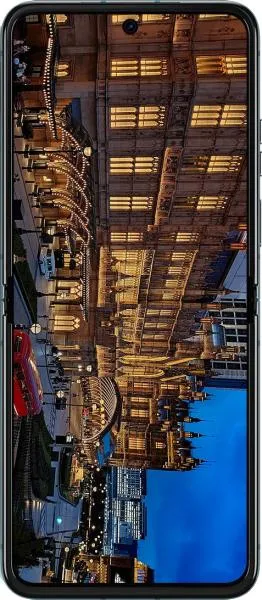
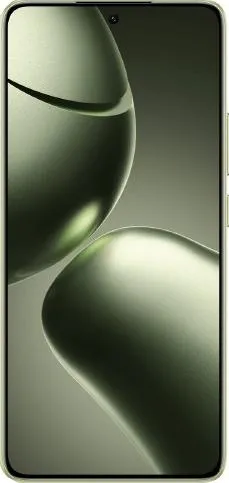
1. Specifications Comparison
| Feature | Motorola Razr 40 | Xiaomi 14T | Practical Impact |
|---|---|---|---|
| Design | |||
| Form Factor | Foldable | Standard | Razr 40 offers portability and compact storage when folded; Xiaomi 14T is a traditional slab design. |
| Dimensions (mm) | 170.8 x 74 x 7.4 | 160.5 x 75.1 x 7.8 | Razr 40 is significantly shorter and narrower when folded but thicker; Xiaomi 14T is larger overall but thinner. Foldability impacts pocketability and one-handed usage. |
| Weight (g) | 188.6 | 193 | Negligible weight difference in practical usage. |
| Display | |||
| Size (inches) | 6.9 | 6.67 | Razr 40 offers slightly more screen real estate. |
| Resolution | 1080 x 2640 | 1220 x 2712 | Xiaomi 14T has a sharper display with higher pixel density (446 ppi vs 413 ppi), resulting in clearer text and images. |
| Type | Foldable AMOLED | AMOLED C8+ | Both offer vibrant colors and deep blacks. C8+ suggests potential improvements in color accuracy and brightness on the Xiaomi 14T. Razr 40's fold introduces a potential crease. |
| Refresh Rate | 144Hz | 144Hz | Both offer smooth scrolling and animations. |
| Peak Brightness | 1400 nits | 4000 nits | Xiaomi 14T boasts significantly higher peak brightness, ensuring better visibility in direct sunlight. |
| Performance | |||
| Chipset | Snapdragon 7 Gen 1 | Dimensity 8300 Ultra | Dimensity 8300 Ultra generally benchmarks higher, indicating potentially better performance in demanding tasks and gaming on the Xiaomi 14T. |
| CPU | Octa-core | Octa-core | Specific core configurations differ. Dimensity 8300 Ultra's newer architecture (Cortex-A715) likely provides a performance advantage over the Snapdragon 7 Gen 1. |
| RAM | 8GB | 12GB | Xiaomi 14T offers more RAM, enabling better multitasking and smoother performance with memory-intensive applications. |
| Camera | |||
| Main Camera | 64MP | 50MP (IMX906) | While Razr 40 has a higher resolution, Xiaomi 14T utilizes a larger sensor (Sony IMX906) known for good low-light performance. Practical image quality depends on sensor size and processing. |
| Ultrawide | 13MP | 13MP | Comparable ultrawide cameras. |
| Telephoto | N/A | 50MP | Xiaomi 14T offers a dedicated telephoto lens for optical zoom, absent in the Razr 40. |
| Battery | |||
| Capacity | 4200mAh | 5000mAh | Xiaomi 14T has a significantly larger battery, likely resulting in longer battery life. |
2. Key Differences Analysis
Motorola Razr 40 Advantages:
- Portability: The foldable design provides unmatched portability.
- Unique Form Factor: Offers a distinctive and nostalgic appeal.
Xiaomi 14T Advantages:
- Superior Performance: Dimensity 8300 Ultra and 12GB RAM deliver smoother, faster performance.
- Brighter Display: Much brighter display for excellent outdoor visibility.
- Larger Battery: Significantly longer battery life.
- Better Camera System: Larger main sensor, dedicated telephoto lens, and potentially better image processing.
3. User Profiles & Recommendations
Motorola Razr 40: Ideal for users who prioritize portability and a unique design above all else. Best for those who value compact size for pockets and purses, and make moderate use of demanding applications.
Xiaomi 14T: Suitable for users who prioritize performance, battery life, and a high-quality camera. Excellent for power users, gamers, and photography enthusiasts.
4. Decision Framework
Key Questions:
- How important is portability? If ultimate portability is paramount, the Razr 40 is the clear choice.
- What is your budget? Consider the price difference between storage configurations.
- What are your primary use cases? (e.g., social media, gaming, photography)
My Choice: Xiaomi 14T
While the Razr 40's foldable design is intriguing, the Xiaomi 14T offers a more well-rounded package for my needs. I prioritize performance, battery life, and a versatile camera system. The significantly brighter display, larger battery, and superior performance of the Xiaomi 14T outweigh the Razr 40's portability advantage for me. The inclusion of a telephoto lens also significantly enhances the 14T's photographic capabilities. While I appreciate the unique form factor of foldable phones, the potential crease and durability concerns associated with foldable displays, combined with the performance advantages of the 14T, make the Xiaomi 14T the more compelling device overall.
