1. Specifications Comparison
| Feature | Motorola Razr 40 | Xiaomi 14 | Practical Impact |
|---|---|---|---|
| Design | |||
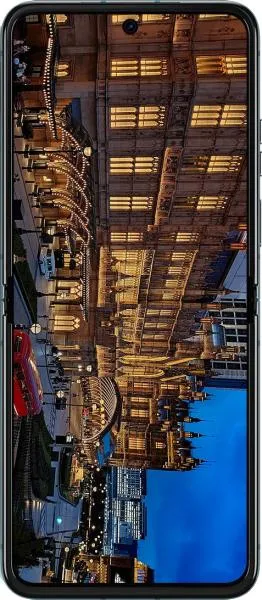
| Form Factor | Foldable | Standard | Razr 40 offers portability and a unique form factor, Xiaomi 14 is a traditional slab phone. |
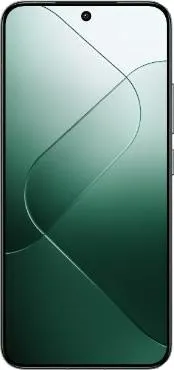
| Dimensions (mm) | 170.8 x 74 x 7.4 | 152.8 x 71.5 x 8.2 | Razr 40 is significantly shorter and narrower when folded, but thicker. Xiaomi 14 is thinner overall. |
| Weight (g) | 188.6 | 188 | Negligible weight difference in practical use. |
| Display | |||
| Display Size (inches) | 6.9 | 6.36 | Razr 40 provides a larger screen for media consumption, Xiaomi 14 is more one-hand friendly. |
| Resolution | 1080 x 2640 | 1200 x 2670 | Similar pixel density, but Xiaomi 14 has slightly sharper visuals due to higher resolution. |
| Refresh Rate (Hz) | 144 | 120 | Razr 40 offers smoother scrolling and animations, noticeable in gaming and fast-paced content. |
| Display Type | Foldable LTPO AMOLED | LTPO OLED | Razr 40's foldable display allows for a compact form factor when closed. Xiaomi 14's LTPO panel enables dynamic refresh rate adjustment for power saving. |
| Peak Brightness (nits) | 1400 | 3000 | Xiaomi 14's display is significantly brighter, improving outdoor visibility. |
| Performance | |||
| Chipset | Snapdragon 7 Gen 1 | Snapdragon 8 Gen 3 | Xiaomi 14 boasts a significantly more powerful processor, resulting in faster performance, better multitasking, and improved gaming. |
| CPU | Octa-core (1x2.4 GHz Cortex-A710 & 3x2.36 GHz Cortex-A710 & 4x1.8 GHz Cortex-A510) | Octa-core (1x3.3 GHz Cortex-X4 & 3x3.2 GHz Cortex-A720 & 2x3.0 GHz Cortex-A720 & 2x2.3 GHz Cortex-A520) | Xiaomi 14's CPU has a more powerful core configuration, leading to a noticeable performance advantage. |
| RAM (GB) | 8 | 12 | Xiaomi 14 has more RAM, enabling smoother multitasking and better handling of demanding applications. |
| Camera | |||
| Main Camera (MP) | 64 | 50 | Xiaomi 14 utilizes a larger sensor (1/1.31") with advanced features like pixel binning for potentially better low-light performance. Specific image quality comparisons require real-world testing. |
| Ultrawide (MP) | 13 | 50 | Xiaomi 14 has a much higher resolution ultrawide, capturing more detail. |
| Telephoto (MP) | N/A | 50 | Xiaomi 14 offers optical zoom capabilities, missing on the Razr 40. |
| Battery | |||
| Capacity (mAh) | 4200 | 4610 | Xiaomi 14 has a larger battery capacity, potentially offering longer battery life. Real-world usage will vary. |
2. Key Differences Analysis
Motorola Razr 40 Advantages:
- Portability: The foldable design makes it incredibly compact when closed.
- Unique Form Factor: The flip phone nostalgia and novelty appeal.
- High Refresh Rate Display: Smoother scrolling and animations.
Xiaomi 14 Advantages:
- Flagship Performance: Significantly faster and more powerful for demanding tasks and gaming.
- Superior Camera System: Higher resolution sensors, optical zoom, and potentially better low-light performance.
- Larger Battery: Potentially longer battery life.
- Brighter Display: Much better outdoor visibility.
3. User Profiles & Recommendations
Motorola Razr 40: Users who prioritize portability and a unique design over raw performance. Ideal for users who value compact size and style. Strong use cases include casual social media, light gaming, and situations where pocketability is paramount.
Xiaomi 14: Users who prioritize performance, camera quality, and a long-lasting battery. Ideal for power users, mobile gamers, and photography enthusiasts. Excels in demanding tasks, high-end gaming, capturing high-quality photos and videos, and extended usage without recharging.
4. Decision Framework
Key Questions for Buyers:
- Is portability your top priority? If yes, the Razr 40's foldable design is a strong contender.
- Do you need flagship-level performance for demanding tasks and gaming? If yes, the Xiaomi 14 is the clear winner.
- Is camera quality a crucial factor? The Xiaomi 14 offers a more versatile and potentially superior camera system.
My Choice: Xiaomi 14
While the Razr 40's foldable design is appealing, the Xiaomi 14 offers a more well-rounded package for my needs. The significantly more powerful Snapdragon 8 Gen 3, superior camera system with optical zoom, brighter display, and larger battery outweigh the Razr 40's portability advantage for me. I prioritize performance and a great camera experience, making the Xiaomi 14 the better choice. The price difference, considering the performance gap, is justifiable for the value the Xiaomi 14 provides.
