1. Specifications Comparison
| Feature | Motorola Razr 40 | vivo V40 | Practical Impact |
|---|---|---|---|
| Design | |||
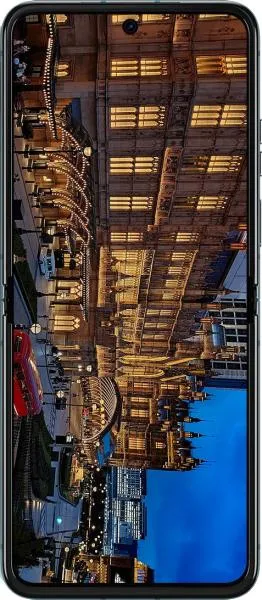
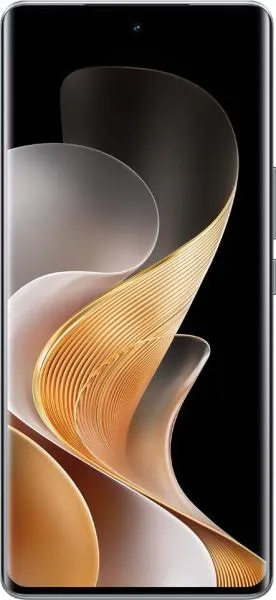
| Dimensions (mm) | 170.8 x 74 x 7.4 (folded) | 164.2 x 75 x 7.6 | Razr 40 significantly more compact when folded, easier pocketability. Vivo V40 thinner overall when unfolded. |
| Weight (g) | 188.6 | 190 | Negligible weight difference in practical use. |
| Foldable | Yes | No | Razr 40 offers a smaller form factor when folded; Vivo V40 offers a traditional slab design. |
| Display | |||
| Size (inches) | 6.9 | 6.78 | Similar screen real estate. |
| Resolution (px) | 1080 x 2640 | 1260 x 2800 | Vivo V40 has a slightly sharper display due to higher pixel density. |
| Refresh Rate (Hz) | 144 | 120 | Razr 40 offers smoother scrolling and animations; potentially better for gaming. |
| Peak Brightness (nits) | 1400 | 4500 | Vivo V40 significantly brighter, improving outdoor visibility. |
| Display Type | Foldable LTPO AMOLED | AMOLED | Razr 40's folding display introduces a crease and potential durability concerns; Vivo V40's display is more traditional. |
| Performance | |||
| Chipset | Snapdragon 7 Gen 1 | Snapdragon 7 Gen 3 | Vivo V40 boasts a newer, more powerful chipset leading to faster performance and better efficiency. |
| CPU | Octa-core (1x2.4 GHz A710 & 3x2.36 GHz A710 & 4x1.8 GHz A510) | Octa-core (1x2.63 GHz A715 & 3x2.4 GHz A715 & 4x1.8 GHz A510) | Vivo V40 has a faster CPU architecture, resulting in improved overall performance and responsiveness. |
| GPU | Adreno 644 | Adreno 720 | Vivo V40 has a significantly more powerful GPU, beneficial for demanding gaming and graphics-intensive tasks. |
| RAM (GB) | 8 | 12 | Vivo V40 offers more RAM for better multitasking and app switching performance. |
| Camera | |||
| Main Camera (MP) | 64 | 50 | Megapixel count doesn't tell the whole story; image quality depends on sensor size, aperture, and processing. |
| Selfie Camera (MP) | 32 | 50 | Vivo V40 has a higher resolution selfie camera. |
| Video Capabilities | 4K@30fps, 1080p@60fps with EIS | 4K@30fps, 1080p@30fps with OIS & EIS | Both offer 4K video recording; Vivo V40 benefits from Optical Image Stabilization (OIS) for smoother video. Razr 40 can record 1080p at 60fps. |
| Battery | |||
| Capacity (mAh) | 4200 | 5500 | Vivo V40 has significantly larger battery capacity, likely translating to longer battery life. |
2. Key Differences Analysis
Motorola Razr 40 Advantages:
- Portability: The foldable design makes it significantly more compact when closed.
- Higher Refresh Rate Display: Smoother scrolling and animations, beneficial for gaming.
vivo V40 Advantages:
- Performance: Newer and more powerful chipset, CPU, and GPU for a noticeably faster and smoother experience.
- Brighter Display: Much brighter display, crucial for outdoor readability.
- Larger Battery: Significantly larger battery capacity, likely resulting in considerably longer usage time.
- Optical Image Stabilization: Smoother video recording compared to Razr 40's Electronic Image Stabilization.
3. User Profiles & Recommendations
Motorola Razr 40: Users who prioritize portability and pocketability above all else. Individuals who value a unique, compact device and are willing to compromise on some performance and battery life for it.
vivo V40: Users who prioritize performance, battery life, and a bright, vibrant display. Ideal for users who engage in demanding tasks, gaming, or consume a lot of media. Suits those who prefer a traditional slab smartphone design.
4. Decision Framework
Key Questions for Buyers:
- How important is portability to you? If ultimate pocketability is paramount, the Razr 40's foldable design is a compelling factor.
- What is your budget and usage pattern? The Vivo V40 likely commands a higher price for its superior performance and battery. Consider if these features justify the cost based on your usage.
- Do you prioritize a cutting-edge, novel design or a more established form factor? The Razr 40's foldable design is unique, but comes with potential durability concerns and a crease on the main screen.
My Choice: vivo V40
While the Motorola Razr 40's foldable design is intriguing, the vivo V40 offers a more well-rounded package for my needs. The significantly improved performance, brighter display, larger battery, and optical image stabilization are crucial factors for my daily usage. I prioritize a smooth and responsive user experience, long battery life, and a display that performs well in all lighting conditions. While I appreciate the Razr 40's compact folded size, the trade-offs in performance and battery life are too significant for me. The Vivo V40 provides a more future-proof device with its superior hardware. The price difference, while likely present, is justified by the substantial improvements in key areas.
