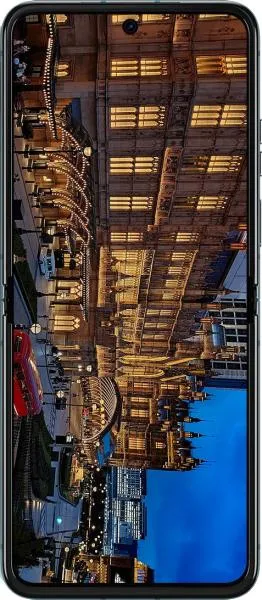

1. Specifications Comparison
| Feature | Motorola Razr 40 | OnePlus 12R | Practical Impact |
|---|---|---|---|
| Design | |||
| Dimensions (mm) | 170.8 x 74 x 7.4 | 163.3 x 75.3 x 8.8 | Razr 40 is significantly more compact when folded, but thicker when unfolded. 12R is a more traditional slab design. |
| Weight (g) | 188.6 | 207 | Razr 40 is noticeably lighter, making it more pocketable, especially when folded. |
| Foldable | Yes | No | Razr 40 offers the unique portability of a foldable phone, potentially sacrificing some durability and screen real estate in its unfolded state. |
| Display | |||
| Size (inches) | 6.9 | 6.78 | Negligible difference in screen real estate when unfolded. |
| Resolution (px) | 1080 x 2640 | 1264 x 2780 | 12R has a slightly sharper display (450 ppi vs 413 ppi). |
| Refresh Rate (Hz) | 144 | 120 | Razr 40 offers smoother animations and scrolling, though the difference might not be perceptible to all users. |
| Peak Brightness (nits) | 1400 | 4500 | 12R offers significantly better outdoor visibility in bright sunlight. |
| Performance | |||
| Chipset | Snapdragon 7 Gen 1 | Snapdragon 8 Gen 2 | 12R boasts a significantly more powerful processor, resulting in faster app loading, smoother multitasking, and better gaming performance. |
| RAM (GB) | 8 | 16 | 12R has double the RAM, allowing for more apps to run in the background without performance slowdown. |
| OS | Android 13 | Android 14 | 12R ships with a newer Android version, offering potential feature and security advantages. Both are expected to receive several OS updates. |
| Camera | |||
| Main Camera (MP) | 64 | 50 | While Razr 40 has a higher megapixel count, 12R utilizes the larger Sony IMX890 sensor known for better low-light performance and dynamic range. Megapixels alone aren't indicative of overall image quality. |
| Ultrawide (MP) | 13 | 8 | Razr 40 has a higher resolution ultrawide. |
| Other Cameras | Macro, Telephoto | 12R offers more versatile camera options with dedicated macro and telephoto lenses. | |
| Battery | |||
| Capacity (mAh) | 4200 | 5500 | 12R offers significantly longer battery life. |
2. Key Differences Analysis
Motorola Razr 40 Advantages:
- Portability: The foldable design offers unmatched portability.
- Lighter Weight: Easier to carry and handle.
- Higher Refresh Rate Display: Smoother scrolling and animations.
OnePlus 12R Advantages:
- Superior Performance: Significantly faster and more capable for demanding tasks and gaming.
- Longer Battery Life: Substantially longer usage time on a single charge.
- Brighter Display: Excellent outdoor visibility.
- More Versatile Camera System: Dedicated macro and potentially telephoto lenses offer wider shooting options.
- Newer Android Version: More up-to-date software with potential feature advantages.
3. User Profiles & Recommendations
Motorola Razr 40: Ideal for users who prioritize portability and pocketability above all else and are willing to compromise on performance and battery life. Suitable for light to moderate usage.
OnePlus 12R: Best suited for users who demand top-tier performance, long battery life, a great display, and a versatile camera system. Ideal for power users, gamers, and those who consume a lot of media.
4. Decision Framework
Key Questions for Buyers:
- How important is portability? If ultimate portability is paramount, the Razr 40's foldable design is a compelling choice.
- What is your typical smartphone usage? For demanding tasks and heavy usage, the 12R's superior performance and battery are crucial.
- What is your budget? Both phones fall in the medium price range, but specific pricing should be compared in your region.
Scenario-Based Recommendations:
- Frequent Traveler: Razr 40 for its compact size.
- Mobile Gamer: 12R for its powerful processor and larger battery.
- Social Media Enthusiast: 12R for its superior camera system and brighter display.
My Choice: OnePlus 12R
While the Razr 40's foldable design is intriguing, the OnePlus 12R offers a more well-rounded package for my needs. I prioritize performance, battery life, and a versatile camera system. The Snapdragon 8 Gen 2, larger battery, and the Sony IMX890 sensor in the 12R make it a clear winner for me. The brighter display is also a significant advantage for outdoor use. While I appreciate the Razr's portability, I'm not willing to compromise on performance and battery life for it. The 12R offers a more future-proof and versatile experience.
