1. Specifications Comparison
| Feature | Motorola Razr 40 | Nothing CMF Phone 1 | Practical Impact |
|---|---|---|---|
| Design | |||
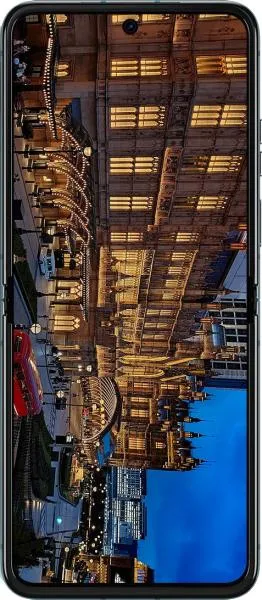
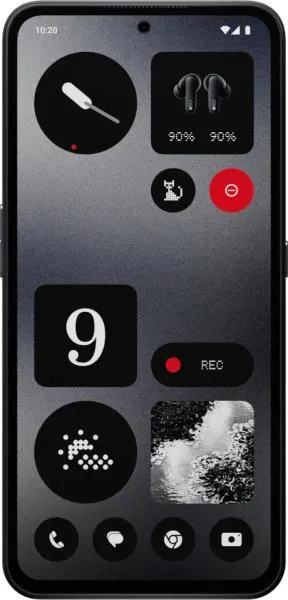
| Form Factor | Foldable | Slab | Razr 40 offers portability and a smaller footprint when folded, while CMF Phone 1 is a traditional candybar design. |
| Dimensions (mm) | 170.8 x 74 x 7.4 | 164 x 77 x 8.2 | Razr 40 is taller and narrower when unfolded, significantly more compact when folded. CMF Phone 1 is thinner overall. |
| Weight (g) | 188.6 | 197 | Razr 40 is slightly lighter. |
| Display | |||
| Display Type | Foldable LTPO AMOLED | AMOLED | Razr 40's folding display allows for a large screen in a compact device. CMF Phone 1 has a standard, larger display. |
| Size (inches) | 6.9 | 6.67 | Razr 40 offers a slightly larger main display. |
| Resolution (px) | 1080 x 2640 | 1080 x 2400 | Similar resolution, but Razr 40 is slightly sharper due to a taller aspect ratio. |
| Refresh Rate (Hz) | 144 | 120 | Razr 40 provides smoother animations and scrolling. |
| Peak Brightness (nits) | 1400 | 2000 | CMF Phone 1 offers significantly better outdoor visibility. |
| Performance | |||
| Chipset | Snapdragon 7 Gen 1 | Dimensity 7300 | Both offer similar mid-range performance, but benchmarks would be needed for definitive comparison. |
| CPU | Octa-core (1x2.4 GHz A710 & 3x2.36 GHz A710 & 4x1.8 GHz A510) | Octa-core (4x2.5 GHz A78 & 4x2.0 GHz A55) | While both use efficient cores, architectural differences prevent direct comparison without benchmarks. |
| GPU | Adreno 644 | Mali-G615 MC2 | Gaming performance differences would require real-world testing. |
| RAM (GB) | 8 | 8 | Both offer ample RAM for multitasking. |
| Camera | |||
| Main Camera (MP) | 64 | 50 | Razr 40 has a higher resolution main sensor. |
| Ultrawide (MP) | 13 | N/A | Razr 40 offers an ultrawide lens for broader shots; CMF Phone 1 lacks this feature. |
| Selfie Camera (MP) | 32 | 16 | Razr 40 has a higher resolution selfie camera. |
| Battery | |||
| Capacity (mAh) | 4200 | 5000 | CMF Phone 1 offers significantly longer battery life. |
2. Key Differences Analysis
Motorola Razr 40 Advantages:
- Portability: The foldable design provides a larger screen in a pocket-friendly form factor.
- Higher Refresh Rate Display: Smoother scrolling and animations.
- Versatile Camera System: Includes an ultrawide lens.
Nothing CMF Phone 1 Advantages:
- Longer Battery Life: Larger battery capacity for extended usage.
- Brighter Display: Superior outdoor visibility.
- Potentially Lower Price: Depending on the specific configuration.
3. User Profiles & Recommendations
Motorola Razr 40: Ideal for users who prioritize portability and a unique form factor over battery life and raw performance. Suitable for those who value a compact device for social media, web browsing, and casual photography.
Nothing CMF Phone 1: Best suited for users who prioritize battery life and screen brightness. A good choice for those who consume a lot of media, play games, or spend extended periods outdoors. Good value for its price.
4. Decision Framework
Key Questions for Buyers:
- Form Factor Priority: Is a pocketable, foldable design essential, or is a larger, traditional screen preferred?
- Battery Life Importance: Is all-day battery life crucial, or is moderate battery life acceptable with the trade-off of portability?
- Budget Constraints: Which phone offers the best value for its price considering individual needs?
My Choice: Nothing CMF Phone 1
While the Razr 40's foldable design is intriguing, the Nothing CMF Phone 1 better suits my needs. I prioritize battery life and a bright display for outdoor use. The CMF Phone 1 excels in these areas, offering a significantly larger battery and a much brighter screen. While it lacks the foldable novelty and ultrawide camera, these trade-offs are acceptable considering the likely price difference and my personal priorities. The larger, traditional slab design is also more comfortable for media consumption and extended use for me personally. The inclusion of advanced Bluetooth codecs like aptX and LDAC is also appealing for higher quality audio streaming, a feature not explicitly mentioned for the Razr 40. Ultimately, the CMF Phone 1 strikes a better balance of practical features and value for my usage.
