1. Specifications Comparison
| Feature | Motorola Razr 40 | Honor X7b | Practical Impact |
|---|---|---|---|
| Design | |||
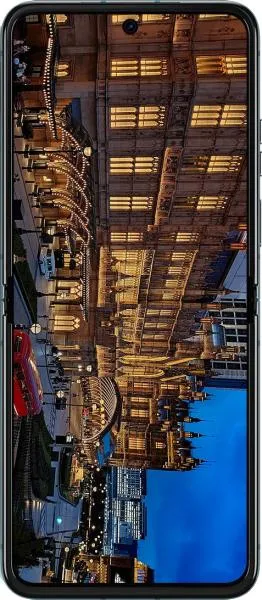
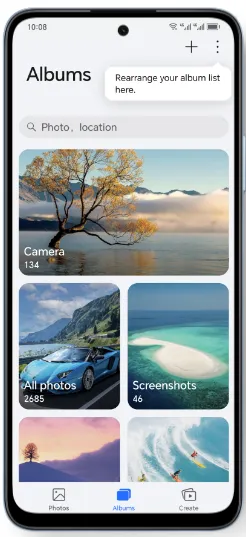
| Form Factor | Foldable | Standard | Razr 40 offers portability and a smaller footprint when folded. Honor X7b is a traditional slab phone. |
| Dimensions (mm) | 170.8 x 74 x 7.4 | 166.7 x 76.5 x 8.2 | Razr 40 is significantly thinner and slightly shorter when unfolded, but wider when folded. Honor X7b is larger overall. |
| Weight (g) | 188.6 | 199 | Razr 40 is noticeably lighter. |
| Display | |||
| Display Type | Foldable LTPO AMOLED | IPS LCD | Razr 40 provides deeper blacks, more vibrant colors, and better power efficiency. Honor X7b's LCD is less power-hungry at peak brightness but has poorer contrast. |
| Size (inches) | 6.9 | 6.8 | Negligible size difference in terms of usability. |
| Resolution | 1080 x 2640 | 1080 x 2412 | Similar sharpness; Razr 40 is slightly sharper due to a taller aspect ratio. |
| Refresh Rate (Hz) | 144 | 90 | Razr 40 offers smoother scrolling and animations. |
| Performance | |||
| Chipset | Snapdragon 7 Gen 1 | Snapdragon 680 | Razr 40 offers significantly better performance in demanding tasks and gaming. |
| CPU | Octa-core (1x2.4 GHz Cortex-A710 & 3x2.36 GHz Cortex-A710 & 4x1.8 GHz Cortex-A510) | Octa-core (4x2.4 GHz Kryo 265 Gold & 4x1.9 GHz Kryo 265 Silver) | Razr 40's CPU architecture is more powerful and efficient. |
| GPU | Adreno 644 | Adreno 610 | Razr 40 offers considerably better graphics performance for gaming. |
| RAM (GB) | 8 | 6/8 | Razr 40's configuration offers better multitasking capabilities. |
| Camera | |||
| Main Camera (MP) | 64 | 108 | Honor X7b has a higher resolution sensor, but image quality depends on factors beyond resolution (sensor size, processing). |
| Video Recording | 4K@30fps with EIS | 1080p@30fps | Razr 40 offers higher resolution video recording with electronic image stabilization. |
| Battery | |||
| Capacity (mAh) | 4200 | 5330 | Honor X7b has significantly larger battery capacity, likely resulting in longer battery life. |
2. Key Differences Analysis
Motorola Razr 40 Advantages:
- Form Factor: Foldable design for portability and unique aesthetics.
- Superior Display: AMOLED with higher refresh rate for a smoother, more vibrant visual experience.
- Significantly Better Performance: More powerful chipset and GPU for demanding tasks and gaming.
Honor X7b Advantages:
- Larger Battery: Significantly larger battery for extended usage.
- Lower Price: Potentially more affordable depending on specific configurations.
- Standard Form Factor: Familiar and potentially more durable than a foldable phone.
Trade-offs:
- Razr 40: Sacrifices battery life for a slimmer, foldable design and higher performance. Higher price point.
- Honor X7b: Compromises on performance and display quality for longer battery life and a lower price.
3. User Profiles & Recommendations
Motorola Razr 40: Ideal for users who prioritize portability, style, a premium display, and smooth performance, and are willing to pay a premium. Best for users who value a compact device for easier one-handed use and pocket storage.
Honor X7b: Suitable for budget-conscious users who prioritize long battery life and basic functionality over top-tier performance and display quality. Best for users who heavily consume media and require extended battery life.
4. Decision Framework
Key Questions for Buyers:
- How important is portability and a unique design?
- What is your budget and how much do you prioritize performance?
- How important is battery life compared to other features like display quality and form factor?
Scenario-Based Recommendations:
- For a frequent traveler: Razr 40's compact size when folded is ideal.
- For a gamer: Razr 40's superior performance is essential.
- For a heavy media consumer on a budget: Honor X7b's long battery life is a strong advantage.
My Choice: Motorola Razr 40
While the Honor X7b offers a compelling battery life and lower price, the Motorola Razr 40 aligns better with my personal priorities. I value the innovative foldable design, the superior AMOLED display with a high refresh rate, and the significantly better performance offered by the Snapdragon 7 Gen 1. I'm willing to compromise on battery life for these advantages, especially given the portability benefits of a foldable phone. The smoother user experience, premium feel, and compact form factor outweigh the battery life difference for my usage pattern. I also find the potentially higher durability of a standard phone less compelling compared to the convenience and portability of the foldable design.
