1. Specifications Comparison
| Feature | Motorola Razr 40 | Asus ROG Phone 8 | Practical Impact |
|---|---|---|---|
| Design | |||
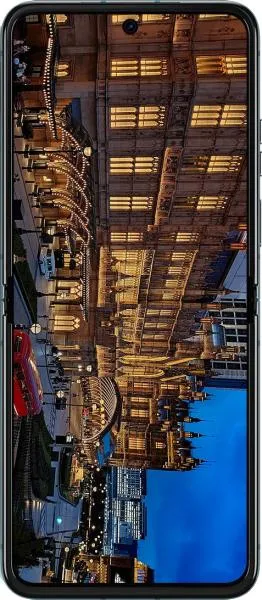
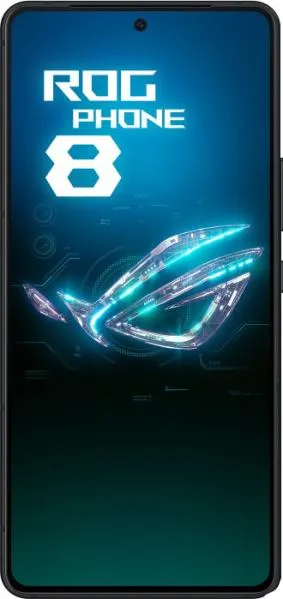
| Dimensions (mm) | 170.8 x 74 x 7.4 | 163.8 x 76.8 x 8.9 | Razr 40 is significantly more compact when folded, making it highly pocketable. ROG Phone 8 is larger and thicker. |
| Weight (g) | 188.6 | 225 | Razr 40 is noticeably lighter, enhancing portability. ROG Phone 8's weight suggests a more robust build. |
| Foldable | Yes | No | Razr 40 offers the flexibility of a smaller form factor when closed. ROG Phone 8 is a traditional slab phone. |
| Display | |||
| Display Size (inches) | 6.9 | 6.78 | Comparable screen real estate for media consumption on both devices. |
| Resolution (px) | 1080 x 2640 | 1080 x 2400 | Razr 40's taller aspect ratio may be better suited for reading and some apps. ROG Phone 8's wider aspect ratio might be preferred for gaming and videos. |
| Refresh Rate (Hz) | 144 | 165 | ROG Phone 8 offers a slightly smoother scrolling and gaming experience with its higher refresh rate. |
| Peak Brightness (nits) | 1400 | 2500 | ROG Phone 8 offers significantly better outdoor visibility in direct sunlight. |
| Display Type | Foldable LTPO AMOLED | LTPO AMOLED | Razr 40 utilizes a foldable display, introducing a crease but offering unique portability. ROG Phone 8 has a standard flat, more durable display. |
| Performance | |||
| Chipset | Snapdragon 7 Gen 1 | Snapdragon 8 Gen 3 | ROG Phone 8 boasts significantly more powerful CPU and GPU, translating to smoother performance in demanding tasks like gaming and video editing. |
| CPU | Octa-core (1x2.4 GHz A710 & 3x2.36 GHz A710 & 4x1.8 GHz A510) | Octa-core (1x3.3 GHz X4 & 3x3.2 GHz A720 & 2x3.0 GHz A720 & 2x2.3 GHz A520) | ROG Phone 8's superior CPU architecture and clock speeds will deliver significantly faster processing. |
| GPU | Adreno 644 | Adreno 750 | ROG Phone 8 provides a substantial boost in graphics performance for gaming and visually intensive applications. |
| RAM (GB) | 8 | 12/16 | ROG Phone 8 offers more RAM, enabling better multitasking and smoother performance with multiple apps open. |
| Camera | |||
| Main Camera (MP) | 64 | 50 | While Razr 40 has higher megapixel count, ROG Phone 8 features the superior Sony IMX890 sensor, likely resulting in better image quality. |
| Ultrawide (MP) | 13 | 13 | Comparable ultrawide cameras. |
| Video Recording | 4K@30fps | 8K@24fps | ROG Phone 8 supports higher resolution video recording. |
| Battery | |||
| Capacity (mAh) | 4200 | 5500 | ROG Phone 8 offers significantly longer battery life. |
2. Key Differences Analysis
Motorola Razr 40 Advantages:
- Portability: The foldable design makes it exceptionally compact when closed.
- Unique Form Factor: Offers a distinctive and stylish alternative to traditional slab phones.
Asus ROG Phone 8 Advantages:
- Superior Performance: Significantly more powerful processor and GPU for demanding tasks and gaming.
- Longer Battery Life: Larger battery capacity for extended usage.
- Brighter Display: Much brighter screen for improved outdoor visibility.
- Higher Refresh Rate: Smoother scrolling and gaming experience.
- Advanced Camera System: While megapixel count is lower on the main camera, the inclusion of the Sony IMX890 sensor likely results in better image quality. 8K video recording capabilities.
Trade-offs:
- Razr 40 sacrifices performance and battery life for its compact, foldable design.
- ROG Phone 8 prioritizes performance and features over ultimate portability.
3. User Profiles & Recommendations
Motorola Razr 40: Ideal for users who prioritize portability and style above all else. Best suited for light to moderate usage, social media, web browsing, and casual photography.
Asus ROG Phone 8: Ideal for power users, gamers, and content creators who demand top-tier performance, a long-lasting battery, and a high-quality display. Excellent for demanding mobile games, video editing, and multitasking.
4. Decision Framework
Key Questions for Buyers:
- What is your priority: portability or performance?
- What is your typical usage pattern: light, moderate, or heavy?
- What is your budget? (While both are listed as "medium price", specific pricing should be compared).
Scenario-Based Recommendations:
- Frequent Traveler: Razr 40's pocketability is a significant advantage.
- Mobile Gamer: ROG Phone 8's powerful hardware and high refresh rate display are essential.
- Average User: Consider the Razr 40 if portability is paramount, otherwise, the ROG Phone 8 offers more overall value due to its superior performance and battery life.
My Choice: Asus ROG Phone 8
While the Motorola Razr 40's foldable design is intriguing, the Asus ROG Phone 8 offers a more compelling package for my needs. I prioritize performance, battery life, and a high-quality display. The ROG Phone 8 excels in these areas, making it a more versatile device for demanding tasks, gaming, and media consumption. The significant difference in processing power, RAM, and battery life outweighs the Razr 40's portability advantage for me. The inclusion of the Sony IMX890 sensor in the ROG Phone 8 also suggests superior camera performance despite the lower megapixel count.
