1. Specifications Comparison
| Feature | Motorola Razr 40 Ultra | Xiaomi 14T | Practical Impact |
|---|---|---|---|
| Design | |||
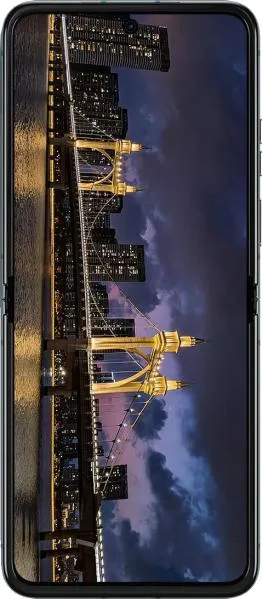
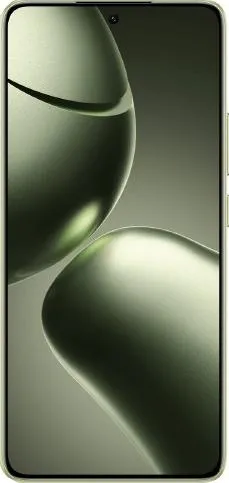
| Form Factor | Foldable | Standard | Razr offers portability and a unique form factor, Xiaomi offers a traditional slab design. |
| Dimensions (mm) | 170.8 x 74 x 7 | 160.5 x 75.1 x 7.8 | Razr is significantly thinner when folded, but taller unfolded. Xiaomi is a more standard size. |
| Weight (g) | 184.5 | 193 | Razr is slightly lighter despite the folding mechanism. |
| Display | |||
| Display Type | Foldable LTPO AMOLED | AMOLED | Razr's foldable display allows for a larger screen in a smaller device, but introduces a crease. Xiaomi's AMOLED offers vibrant colors. |
| Size (inches) | 6.9 | 6.67 | Razr provides a larger main display area. |
| Resolution | 1080 x 2640 | 1220 x 2712 | Xiaomi has a slightly sharper display due to higher resolution. |
| Refresh Rate (Hz) | 165 | 144 | Both offer high refresh rates for smooth scrolling and gaming, with Razr having a slight edge. |
| Peak Brightness (nits) | 1400 | 4000 | Xiaomi offers significantly higher peak brightness for better outdoor visibility. |
| Performance | |||
| Chipset | Snapdragon 8+ Gen 1 | Dimensity 8300 Ultra | Both are powerful chipsets, but benchmarks would be needed to compare real-world performance differences. |
| CPU | Octa-core (1x3.19 GHz Cortex-X2 & 3x2.75 GHz Cortex-A710 & 4x1.80 GHz Cortex-A510) | Octa-core (1x3.35 GHz Cortex-A715 & 3x3.20 GHz Cortex-A715 & 4x2.20 GHz Cortex-A510) | Both offer high performance, detailed comparisons require benchmarking. |
| GPU | Adreno 730 | Mali G615-MC6 | Adreno 730 generally offers better gaming performance. |
| RAM (GB) | 8/12 (depending on version) | 12 | Xiaomi offers more RAM in this configuration, beneficial for multitasking. |
| Camera | |||
| Main Camera (MP) | 12 | 50 | Xiaomi has a significantly higher resolution main sensor. |
| Other Cameras | 13MP Wide Angle + Macro, 32MP Selfie | 13MP Wide, 50MP Telephoto, 32MP Selfie | Xiaomi offers a more versatile camera system with a dedicated telephoto lens. |
| Video Capabilities | Up to 4K@60fps with HDR, EIS | Up to 4K@60fps with HDR, EIS, 960fps slow-mo | Both offer similar core video features, but Xiaomi boasts higher slow-motion capabilities. |
| Battery | |||
| Capacity (mAh) | 3800 | 5000 | Xiaomi has a significantly larger battery capacity, likely leading to longer battery life. |
2. Key Differences Analysis
Motorola Razr 40 Ultra Advantages:
- Portability: The foldable design offers unmatched portability.
- Unique Form Factor: The flip phone nostalgia and compact size are appealing.
- Slightly Lighter: Despite the complex hinge, it's lighter than the Xiaomi 14T.
- Higher Main Display Refresh Rate: Provides smoother animations and scrolling.
Xiaomi 14T Advantages:
- Larger Battery: Significantly longer battery life.
- Brighter Display: Much better outdoor visibility.
- Sharper Display: Higher resolution for crisper images and text.
- More Versatile Camera System: Telephoto lens adds significant flexibility.
- More RAM: Better for multitasking and demanding applications.
Trade-offs:
- Razr 40 Ultra: Smaller battery for portability, potential crease on the folding display, less versatile camera system.
- Xiaomi 14T: Larger and heavier, less pocketable.
3. User Profiles & Recommendations
Motorola Razr 40 Ultra: Ideal for users who prioritize portability and a unique design, willing to compromise on battery life and camera versatility. Suitable for social media, light content consumption, and communication.
Xiaomi 14T: Ideal for users who prioritize performance, battery life, camera versatility, and a large, bright display. Suitable for power users, mobile gamers, photographers, and content creators. Price conscious users will find more value here.
4. Decision Framework
Key Questions:
- How important is portability? If ultimate portability is paramount, the Razr is the clear winner.
- What is your primary phone usage? Heavy content consumption, gaming, and photography favor the Xiaomi 14T.
- What is your budget? Both are medium priced, but specific pricing needs to be considered. The Xiaomi offers more compelling value due to superior specifications.
Scenario-Based Recommendations:
- Frequent Traveler: Razr 40 Ultra for its compact size.
- Mobile Gamer/Photographer: Xiaomi 14T for performance, battery, and camera.
- Budget-Conscious User: Xiaomi 14T offers better value for its price.
My Choice: Xiaomi 14T
While the Razr 40 Ultra's foldable design is intriguing, the Xiaomi 14T offers a more well-rounded package for my needs. The significantly larger battery, brighter and sharper display, more versatile camera system with a telephoto lens, and greater RAM capacity outweigh the benefits of the foldable form factor for me. I prioritize functionality and value, and the Xiaomi 14T delivers in those areas. The superior battery life and brighter display significantly enhance daily usability. The telephoto lens expands creative possibilities for photography. Lastly, the added RAM ensures smooth performance even with demanding tasks. While I appreciate the innovative design of the Razr, the Xiaomi 14T better suits my usage patterns and preferences.
