1. Specifications Comparison
| Feature | Motorola Razr 40 Ultra | Xiaomi 14 | Practical Impact |
|---|---|---|---|
| Design | |||
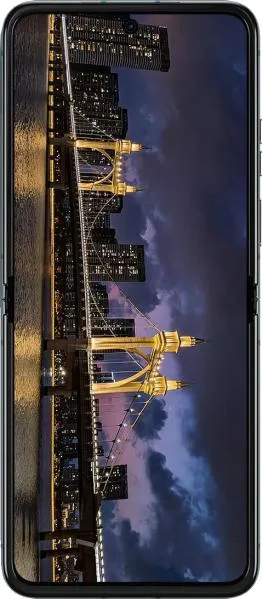
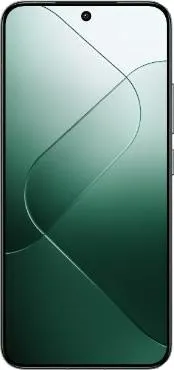
| Form Factor | Foldable | Standard | Razr offers portability and a unique form factor, Xiaomi 14 is a traditional slab phone. |
| Dimensions (mm) | 170.8 x 74 x 7 | 152.8 x 71.5 x 8.2 | Razr is significantly thinner when folded but taller unfolded. Xiaomi 14 is more pocketable when unfolded. |
| Weight (g) | 184.5 | 188 | Negligible weight difference in practical use. |
| Display | |||
| Display Type | Foldable LTPO AMOLED | LTPO OLED | Razr's foldable display allows for a larger screen in a smaller device. Xiaomi 14's display is likely more durable. |
| Size (inches) | 6.9 | 6.36 | Razr offers a larger main display for media consumption. |
| Resolution | 1080 x 2640 | 1200 x 2670 | Xiaomi 14 has a slightly sharper display due to higher pixel density (460 ppi vs 413 ppi). |
| Refresh Rate (Hz) | 165 | 120 | Razr offers smoother scrolling and animations. |
| Peak Brightness (nits) | 1400 | 3000 | Xiaomi 14's display will be significantly brighter and more visible in direct sunlight. |
| Performance | |||
| Chipset | Snapdragon 8+ Gen 1 | Snapdragon 8 Gen 3 | Xiaomi 14 has a newer, more powerful and efficient processor, leading to better performance and battery life. |
| CPU | Octa-core (1x3.19 GHz Cortex-X2 & 3x2.75 GHz Cortex-A710 & 4x1.80 GHz Cortex-A510) | Octa-core (1x3.3 GHz Cortex-X4 & 3x3.2 GHz Cortex-A720 & 2x3.0 GHz Cortex-A720 & 2x2.3 GHz Cortex-A520) | Xiaomi 14's CPU offers significant performance improvements in demanding tasks and multitasking. |
| GPU | Adreno 730 | Adreno 750 | Xiaomi 14 has a more powerful GPU, resulting in better gaming performance and graphics rendering. |
| RAM (GB) | 8/12 | 12/16 | Xiaomi 14 offers configurations with more RAM, enhancing multitasking and overall performance. |
| Camera | |||
| Main Camera (MP) | 12 | 50 | Xiaomi 14 boasts a much higher resolution main sensor, potentially capturing more detail. |
| Additional Cameras | 13MP Wide Angle + Macro, 32MP Selfie | 50MP Wide Angle, 50MP Telephoto, 32MP Selfie | Xiaomi 14 provides more versatile camera options with a dedicated telephoto lens. |
| Video Recording | Up to 4K@60fps | Up to 8K@24fps | Xiaomi 14 offers higher resolution video recording capabilities. |
| Battery | |||
| Capacity (mAh) | 3800 | 4610 | Xiaomi 14 offers significantly longer battery life. |
2. Key Differences Analysis
Motorola Razr 40 Ultra Advantages:
- Portability and Unique Design: The foldable design offers a compact form factor when closed.
- Larger Cover Screen: Provides more functionality without unfolding the phone.
- Higher Refresh Rate Display: Smoother scrolling and animations compared to Xiaomi 14.
Xiaomi 14 Advantages:
- Superior Performance: The Snapdragon 8 Gen 3 offers significant performance gains over the Razr's 8+ Gen 1.
- Longer Battery Life: The larger battery capacity provides significantly more usage time.
- More Versatile Camera System: Includes a dedicated telephoto lens and higher resolution sensors for improved image quality.
- Brighter Display: Much brighter display for better outdoor visibility.
Trade-offs:
- Razr 40 Ultra: Sacrifices battery life, camera quality, and raw performance for its foldable design. Durability of the folding screen is also a concern.
- Xiaomi 14: Lacks the unique form factor and portability of a foldable phone.
3. User Profiles & Recommendations
Motorola Razr 40 Ultra: Ideal for users who prioritize portability and a unique, stylish design above raw performance and camera capabilities. Best for users who value having a large screen that can be easily pocketed.
Xiaomi 14: Suitable for users who demand top-tier performance, a long-lasting battery, and a versatile camera system. Best for power users, gamers, and photography enthusiasts.
4. Decision Framework
Key Questions for Buyers:
- How important is portability and a unique design? If paramount, the Razr is a strong contender.
- What is your budget and performance requirement? The Xiaomi 14 offers a better price-to-performance ratio in terms of raw power.
- What are your primary use cases? (e.g., social media, gaming, photography) Each phone excels in different areas.
My Choice: Xiaomi 14
While the Razr 40 Ultra's design is intriguing, the Xiaomi 14 offers a more well-rounded package for my needs. The significantly improved performance, longer battery life, versatile camera system, and brighter display outweigh the novelty of a foldable phone. I prioritize performance, battery life, and a good camera, and the Xiaomi 14 delivers on all fronts. While the Razr's portability is attractive, the potential durability concerns and compromises in other areas make the Xiaomi 14 a more practical choice for me. The price difference, if any, is likely justified by the superior hardware and overall user experience offered by the Xiaomi 14.
