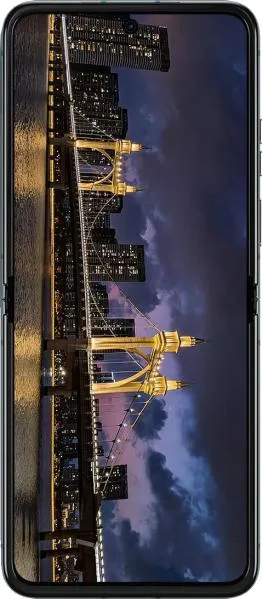

1. Specifications Comparison
| Feature | Motorola Razr 40 Ultra | vivo V40 | Practical Impact |
|---|---|---|---|
| Design | |||
| Form Factor | Foldable | Standard | Razr offers portability and a unique form factor; vivo V40 offers a larger, traditional design. |
| Dimensions (mm) | 170.8 x 74 x 7 | 164.2 x 75 x 7.6 | Razr is significantly thinner when folded but taller unfolded. Vivo V40 is more pocketable when unfolded. |
| Weight (g) | 184.5 | 190 | Negligible weight difference in practical use. |
| Display | |||
| Display Type | Foldable LTPO AMOLED | AMOLED | Razr's foldable display allows for a larger screen in a smaller device; vivo V40 offers a larger, uninterrupted display. |
| Size (inches) | 6.9 | 6.78 | Similar screen real estate when unfolded, but Razr has a crease. |
| Resolution | 1080 x 2640 | 1260 x 2800 | Vivo V40 has a slightly sharper display (453 ppi vs 413 ppi). |
| Refresh Rate (Hz) | 165 | 120 | Razr offers smoother scrolling and animations. |
| Peak Brightness (nits) | 1400 | 4500 | Vivo V40 is significantly brighter, improving outdoor visibility. |
| Performance | |||
| Chipset | Snapdragon 8+ Gen 1 | Snapdragon 7 Gen 3 | Razr offers significantly better performance for demanding tasks and gaming. |
| CPU | Octa-core (up to 3.19 GHz) | Octa-core (up to 2.63 GHz) | Razr's superior CPU will handle multitasking and demanding apps more efficiently. |
| GPU | Adreno 730 | Adreno 720 | Razr offers better gaming performance. |
| RAM (GB) | 8 (reviewed model) | 12 | Vivo V40 has more RAM, potentially improving multitasking, although the Razr's superior processor might offset this in real-world usage. Note: Razr has other versions with more RAM not included in this comparison. |
| Camera | |||
| Main Camera (MP) | 12 | 50 | Vivo V40 has a higher resolution main sensor. Image quality depends on factors beyond resolution, which are not fully available here. |
| Selfie Camera (MP) | 32 | 50 | Vivo V40 boasts a higher resolution selfie camera. |
| Video Capabilities | Up to 4K@60fps with HDR, EIS | Up to 4K@30fps with OIS, EIS | Razr offers higher resolution and frame rate video recording. |
| Battery | |||
| Capacity (mAh) | 3800 | 5500 | Vivo V40 offers significantly longer battery life. |
2. Key Differences Analysis
Motorola Razr 40 Ultra Advantages:
- Form Factor: Foldable design for increased portability.
- Performance: Significantly more powerful processor and GPU.
- High Refresh Rate Display: Smoother user experience.
- Higher Quality Video Recording: Supports 4K@60fps with HDR.
vivo V40 Advantages:
- Larger Battery: Significantly longer battery life.
- Brighter Display: Better outdoor visibility.
- Higher Resolution Cameras (on paper): Potentially better image detail, although real-world performance depends on other factors not fully specified here.
- More RAM: Improved multitasking (though potentially offset by Razr's superior processor).
Trade-offs:
- Razr: Smaller battery capacity for its powerful hardware and foldable screen; lower resolution main camera (on paper); crease in the folding display.
- Vivo V40: Less powerful processor, impacting demanding tasks and gaming; less bright display.
3. User Profiles & Recommendations
Motorola Razr 40 Ultra: Users who prioritize portability and a unique form factor, value high performance for demanding tasks and gaming, and appreciate a smooth display experience. Suitable for those who are willing to compromise on battery life for a pocketable, powerful device.
vivo V40: Users who prioritize long battery life, need a bright display for outdoor use, and primarily use their phone for everyday tasks, social media, and casual photography. Best for individuals who prefer a traditional smartphone design with long-lasting battery performance.
4. Decision Framework
Key Questions for Buyers:
- How important is portability and a unique design? Foldable vs. traditional smartphone.
- What is your primary phone usage? Demanding tasks/gaming vs. everyday use/social media.
- How important is battery life? One-day use vs. extended use without charging.
My Choice: vivo V40
While the Razr 40 Ultra boasts impressive performance and a captivating foldable design, the vivo V40's significantly larger battery and brighter display are more compelling to me. My primary smartphone usage revolves around communication, web browsing, media consumption, and occasional photography – tasks that don't require the raw processing power of the Razr. The significantly brighter display of the vivo V40 is a major advantage for outdoor use, and the longer battery life provides peace of mind throughout the day. While I appreciate the innovative design of foldable phones, the trade-offs in battery life and the presence of a screen crease are not appealing for my personal needs. The vivo V40 offers a more well-rounded package for my usage pattern, prioritizing practical benefits over novelty.
