1. Specifications Comparison
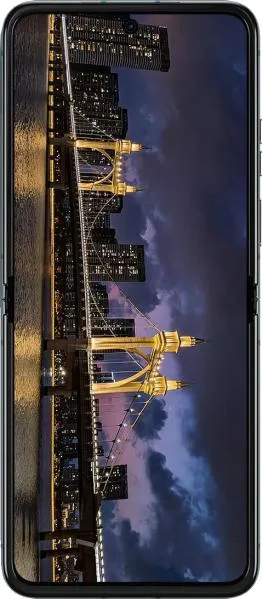
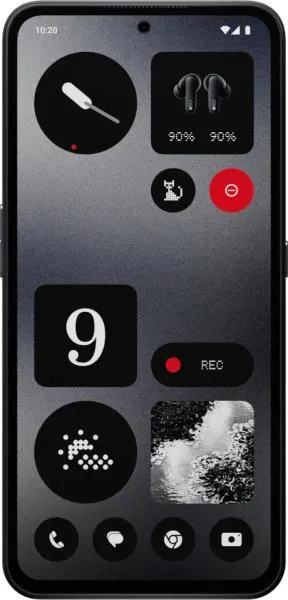
| Feature | Motorola Razr 40 Ultra | Nothing CMF Phone 1 | Practical Impact |
|---|---|---|---|
| Design | |||
| Dimensions (mm) | 170.8 x 74 x 7 | 164 x 77 x 8.2 | Razr 40 Ultra is significantly thinner and slightly taller when unfolded, but much more compact when folded. CMF Phone 1 is a traditional slab phone. |
| Weight (g) | 184.5 | 197 | Razr 40 Ultra is noticeably lighter. |
| Foldable | Yes | No | Razr's foldable design offers portability and a unique form factor, but introduces potential durability concerns. |
| Display | |||
| Display Type | Foldable LTPO AMOLED | AMOLED | Razr uses a more advanced display technology potentially offering better power efficiency and smoother scrolling. However, the "is_ltpo": false suggests it may not have a variable refresh rate as initially implied. |
| Size (inches) | 6.9 | 6.67 | Negligible difference in screen real estate. |
| Resolution | 1080 x 2640 | 1080 x 2400 | Similar pixel density, resulting in comparable sharpness. Razr has a slightly taller aspect ratio. |
| Refresh Rate (Hz) | 165 | 120 | Razr should offer smoother animations and scrolling, but the impact might not be noticeable for all users. Confirmation of LTPO is needed to validate this. |
| Peak Brightness (nits) | 1400 | 2000 | CMF Phone 1 should offer significantly better visibility in direct sunlight. |
| Performance | |||
| Chipset | Snapdragon 8+ Gen 1 | Dimensity 7300 | Snapdragon 8+ Gen 1 generally offers superior performance in demanding tasks and gaming. |
| CPU | Octa-core (1x3.19 GHz X2 & 3x2.75 GHz A710 & 4x1.80 GHz A510) | Octa-core (4x2.5 GHz A78 & 4x2.0 GHz A55) | Razr's CPU architecture is more modern and powerful. |
| GPU | Adreno 730 | Mali-G615 MC2 | Adreno 730 provides better graphics performance for gaming and visually intensive applications. |
| RAM (GB) | 8/12 | 6/8 | Razr offers configurations with more RAM, potentially improving multitasking and overall performance. |
| Camera | |||
| Main Camera (MP) | 12 | 50 | CMF Phone 1 has a higher resolution main sensor, potentially capturing more detail. However, megapixels alone don't determine image quality. Sensor size and processing are crucial. |
| Selfie Camera (MP) | 32 | 16 | Razr has a higher resolution selfie camera. |
| Video Recording | Up to 4K@60fps with HDR, EIS | Up to 4K@30fps with EIS | Razr can record higher resolution and frame rate video with HDR. |
| Battery | |||
| Capacity (mAh) | 3800 | 5000 | CMF Phone 1 has significantly larger battery capacity, potentially leading to much longer battery life. |
2. Key Differences Analysis
Motorola Razr 40 Ultra Advantages:
- Portability: Foldable design offers unmatched portability.
- Premium Performance: Snapdragon 8+ Gen 1 delivers flagship-level performance.
- High Refresh Rate Display: Smoother scrolling and animations (pending LTPO confirmation).
- Higher Resolution Selfie Camera: Better quality self-portraits.
- More Versatile Video Recording: Higher resolution and frame rate options.
Nothing CMF Phone 1 Advantages:
- Longer Battery Life: Significantly larger battery capacity.
- Brighter Display: Superior outdoor visibility.
- Potentially Better Value: Lower price for competitive specifications.
- More Durable Design: Traditional slab phones are generally more robust than foldables.
3. User Profiles & Recommendations
Motorola Razr 40 Ultra: Users who prioritize portability and style, willing to pay a premium for a compact foldable device with powerful performance. Ideal for those constantly on the move and value having a pocketable phone without sacrificing performance.
Nothing CMF Phone 1: Users seeking a well-rounded smartphone with long battery life and a bright display at a competitive price. Suitable for users who prioritize practicality and value for money over cutting-edge features or unique form factors.
4. Decision Framework
Key Questions for Buyers:
- Form Factor Priority: Is a compact, foldable design a must-have, or is a traditional slab phone preferred?
- Performance Needs: Is top-tier processing power crucial, or is good enough performance sufficient?
- Budget Constraints: Which phone offers the best value for money based on individual needs and priorities?
Scenario-Based Recommendations:
- Frequent Traveler: Razr 40 Ultra's portability is a significant advantage.
- Heavy User: CMF Phone 1's larger battery might be crucial.
- Budget-Conscious Buyer: CMF Phone 1 likely offers better value.
My Choice: Nothing CMF Phone 1
While the Razr 40 Ultra is undeniably cool with its foldable design and powerful chip, the significantly larger battery and brighter display of the Nothing CMF Phone 1 are more compelling for my personal needs. I prioritize all-day battery life and good outdoor visibility. The price difference further solidifies my choice, as the CMF Phone 1 appears to offer excellent value for its specifications. The performance difference between the two chipsets, while noticeable in benchmarks, is less likely to significantly impact my day-to-day usage. I am willing to trade the novelty of a foldable phone for the practicality and affordability of the CMF Phone 1. The lack of confirmed LTPO on the Razr makes its higher refresh rate less compelling, and the significantly brighter display of the CMF Phone 1 is a major advantage for me.
