1. Specifications Comparison
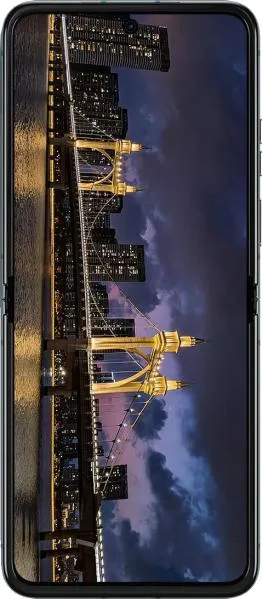
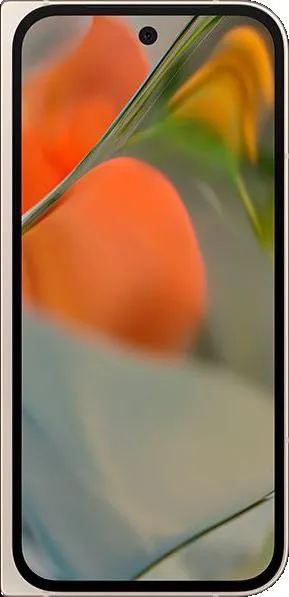
| Feature | Motorola Razr 40 Ultra | Google Pixel 9 Pro Fold | Practical Impact |
|---|---|---|---|
| Design | |||
| Dimensions | 170.8 x 74 x 7 mm | 155.2 x 150.2 x 5.1 mm (unfolded) | Razr 40 Ultra is significantly thinner and more pocketable when folded, but wider when unfolded. Pixel 9 Pro Fold is larger overall. |
| Weight | 184.5g | 257g | Razr 40 Ultra is noticeably lighter, reducing hand fatigue. |
| Foldable | Yes | Yes | Both offer foldable screen technology, enhancing portability. |
| Display | |||
| Size | 6.9" | 8" | Pixel 9 Pro Fold offers a larger main display for more immersive content consumption. |
| Resolution | 1080 x 2640 px | 2076 x 2152 px | Pixel 9 Pro Fold boasts a much sharper display due to higher resolution and similar pixel density despite a larger screen. |
| Refresh Rate | 165Hz | 120Hz | Razr 40 Ultra provides smoother animations and scrolling, but the difference might not be noticeable to all users. |
| Peak Brightness | 1400 nits | 2700 nits (peak) | Pixel 9 Pro Fold's significantly higher peak brightness ensures better visibility in direct sunlight. |
| Performance | |||
| Chipset | Snapdragon 8+ Gen 1 | Google Tensor G4 | Both are high-end chipsets, but Tensor G4 is newer and likely offers better AI processing and overall performance. |
| CPU | Octa-core (1x3.19 GHz Cortex-X2 & 3x2.75 GHz Cortex-A710 & 4x1.80 GHz Cortex-A510) | Octa-core (1x3.1 GHz Cortex-X4 & 3x2.6 GHz Cortex-A720 & 4x1.92 GHz Cortex-A520) | Tensor G4 leverages a newer CPU architecture potentially leading to improved efficiency and performance. |
| RAM | 8GB/12GB | 16GB | Pixel 9 Pro Fold's higher RAM allows for smoother multitasking and more demanding applications. |
| Camera | |||
| Main Camera | 12MP | 48MP | Pixel 9 Pro Fold has significantly higher resolution, potentially capturing more detail. |
| Ultrawide | 13MP | 10.5MP | Razr has a slightly higher resolution ultrawide. |
| Telephoto | Not specified | 10.8MP | Pixel 9 Pro Fold offers optical zoom capabilities, absent in the Razr 40 Ultra. |
| Battery | |||
| Capacity | 3800mAh | 4650mAh | Pixel 9 Pro Fold has a larger battery, likely translating to longer battery life. |
2. Key Differences Analysis
Motorola Razr 40 Ultra Advantages:
- Portability: Significantly thinner and lighter, making it ideal for pocket carry.
- Smoother Display: Higher refresh rate for more fluid animations.
- More Affordable: Positioned in the medium price range.
Google Pixel 9 Pro Fold Advantages:
- Larger, Sharper Display: More immersive experience for media consumption and multitasking.
- Powerful Performance: Newer Tensor G4 chip with more RAM for demanding tasks and AI processing.
- Superior Camera System: Higher resolution main sensor, telephoto lens for optical zoom, and advanced Google camera software.
- Longer Battery Life: Larger battery capacity for extended usage.
3. User Profiles & Recommendations
Motorola Razr 40 Ultra: Ideal for users prioritizing portability and style, who primarily use their phone for communication, social media, and light content consumption. Price-conscious buyers will find it attractive.
Google Pixel 9 Pro Fold: Suitable for power users and content creators who demand top-tier performance, a large high-quality display, and a versatile camera system. Ideal for multitasking, gaming, media editing, and photography.
4. Decision Framework
Key Questions:
- What is your budget? The Razr 40 Ultra is considerably more affordable.
- What is your priority: portability or a larger, more immersive display?
- How important is camera quality and versatility to you?
My Choice: Google Pixel 9 Pro Fold
While the Motorola Razr 40 Ultra's portability is tempting, the Google Pixel 9 Pro Fold's superior overall package makes it my choice. The larger, sharper display, significantly improved camera system with a telephoto lens, more powerful processor, larger RAM, and extended battery life are compelling advantages for my usage. I prioritize performance, a high-quality display, and camera versatility, making the Pixel 9 Pro Fold a better fit despite the higher price and increased weight. The future-proofing offered by longer software support and a newer chipset also contribute to its long-term value.
