1. Specifications Comparison
| Feature | Motorola Razr 40 Ultra | Asus ROG Phone 8 | Practical Impact |
|---|---|---|---|
| Design | |||
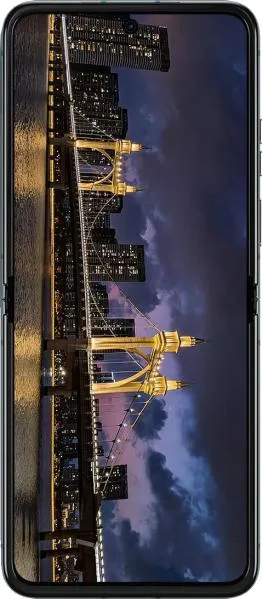
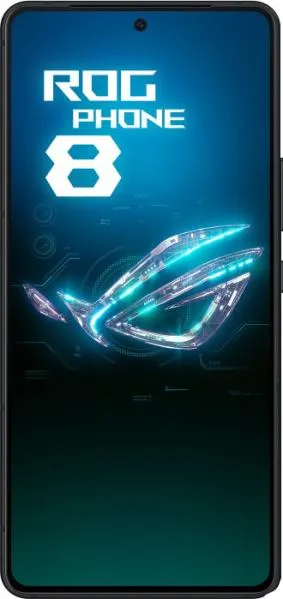
| Dimensions (mm) | 170.8 x 74 x 7 | 163.8 x 76.8 x 8.9 | Razr 40 Ultra significantly thinner and more pocketable due to foldable design; ROG Phone 8 larger and heavier. |
| Weight (g) | 184.5 | 225 | Razr 40 Ultra noticeably lighter, enhancing portability; ROG Phone 8's weight reflects its robust build and larger battery. |
| Foldable | Yes | No | Razr 40 Ultra offers compact portability when folded; ROG Phone 8 is a traditional slab design. |
| Display | |||
| Size (inches) | 6.9 | 6.78 | Negligible size difference in practical usage. |
| Resolution | 1080 x 2640 | 1080 x 2400 | Razr 40 Ultra's taller aspect ratio provides more vertical screen real estate; ROG Phone 8's wider aspect ratio might be better for gaming/media. |
| Refresh Rate (Hz) | 165 | 165 | Both offer smooth scrolling and fluid animations. |
| Peak Brightness (nits) | 1400 | 2500 | ROG Phone 8's significantly higher peak brightness ensures excellent outdoor visibility; Razr 40 Ultra's brightness may be insufficient in direct sunlight. |
| Performance | |||
| Chipset | Snapdragon 8+ Gen 1 | Snapdragon 8 Gen 3 | ROG Phone 8 boasts a newer, more powerful chipset, resulting in significantly improved performance in demanding tasks and gaming. |
| CPU | Octa-core (up to 3.19 GHz) | Octa-core (up to 3.3 GHz) | ROG Phone 8's faster CPU delivers a noticeable performance advantage in multitasking and demanding applications. |
| GPU | Adreno 730 | Adreno 750 | ROG Phone 8's upgraded GPU provides a significant boost in gaming performance and graphics-intensive tasks. |
| RAM (GB) | 8 (reviewed model) | 12/16 | ROG Phone 8 offers more RAM, enabling smoother multitasking and better handling of demanding applications. |
| Camera | |||
| Main Camera (MP) | 12 | 50 | ROG Phone 8's higher resolution main camera likely captures more detail; practical image quality depends on sensor and processing. |
| Ultrawide (MP) | 13 | 13 | Comparable ultrawide capabilities. |
| Video Recording | Up to 4K@60fps | Up to 8K@24fps | ROG Phone 8 supports higher resolution video recording. |
| Battery | |||
| Capacity (mAh) | 3800 | 5500 | ROG Phone 8's substantially larger battery capacity translates to significantly longer battery life. |
2. Key Differences Analysis
Motorola Razr 40 Ultra Advantages:
- Portability: The foldable design provides unmatched portability.
- Unique Form Factor: The flip phone nostalgia and external display offer a distinctive user experience.
Asus ROG Phone 8 Advantages:
- Superior Performance: The newer generation chipset and more RAM provide a significant performance advantage.
- Enhanced Display: Brighter display with better outdoor visibility.
- Longer Battery Life: Significantly larger battery capacity for extended usage.
- Gaming Focused Features: While not explicitly listed, ROG Phones typically include gaming-specific features like advanced cooling and shoulder triggers.
3. User Profiles & Recommendations
Motorola Razr 40 Ultra: Ideal for users who prioritize portability and style above all else. Best for users who value a compact phone for easy carrying and quick interactions on the external display.
Asus ROG Phone 8: Suited for power users and mobile gamers who demand top-tier performance. Excellent for users who consume a lot of media, multitask heavily, and require long battery life.
4. Decision Framework
Key Questions for Buyers:
- Portability vs. Performance: Is ultimate portability more important than raw processing power and battery life?
- Style vs. Functionality: Do you prioritize a unique, stylish design over a more traditional smartphone experience?
- Budget and Usage: How important is price, and what are your primary smartphone use cases (e.g., gaming, social media, productivity)?
Scenario-Based Recommendations:
- Frequent Traveler: Razr 40 Ultra for its compact size.
- Mobile Gamer: ROG Phone 8 for its superior performance and features.
- Average User: ROG Phone 8 for its all-around better specifications and longer battery life. The Razr 40 Ultra would be a good choice only if pocketability trumps all other factors.
My Choice: Asus ROG Phone 8
While the Razr 40 Ultra's foldable design is intriguing, the ROG Phone 8's superior performance, battery life, and brighter display are more compelling for my needs. I value a smooth user experience and long battery life, making the ROG Phone 8 the more practical choice. The significantly more powerful processor and GPU future-proofs the device better. Although I appreciate the Razr's innovative design, the trade-offs in performance and battery life are too significant for me.
