1. Specifications Comparison
| Feature | Motorola Moto G73 | Realme 11 Pro | Practical Impact |
|---|---|---|---|
| Design | |||
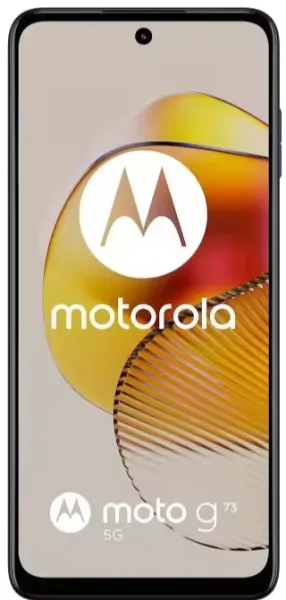
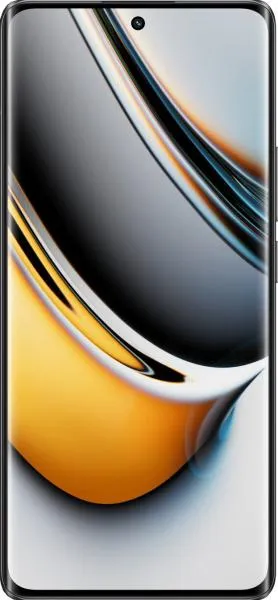
| Dimensions (mm) | 161.4 x 73.8 x 8.3 | 161.7 x 73.9 x 8.2 | Virtually identical in size and feel |
| Weight (g) | 181 | 183 | Negligible weight difference |
| Build Materials | Unspecified | Unspecified | Cannot compare durability and premium feel |
| Display | |||
| Display Type | IPS LCD, 120Hz | AMOLED, 1B colors, HDR10+, 120Hz | Realme offers significantly better contrast, color accuracy, and potentially higher brightness with its AMOLED display. |
| Size (inches) | 6.5 | 6.7 | Realme offers a slightly larger screen for more immersive content consumption. |
| Resolution | 1080 x 2400 | 1080 x 2412 | Negligible difference in sharpness. |
| Refresh Rate (Hz) | 120 | 120 | Both offer smooth scrolling and animations. |
| Performance | |||
| Chipset | Mediatek Dimensity 930 (6 nm) | Mediatek Dimensity 7050 (6 nm) | While both are 6nm, benchmarks suggest Dimensity 930 offers slightly better CPU performance. Real-world difference may be minimal. |
| CPU | Octa-core (2x2.2 GHz Cortex-A78 & 6x2.0 GHz Cortex-A55) | Octa-core (2x2.6 GHz Cortex-A78 & 6x2.0 GHz Cortex-A55) | Realme has a higher clock speed on its performance cores, potentially offering a slight edge in demanding tasks. |
| GPU | IMG BXM-8-256 | Mali-G68 MC4 | Mali-G68 MC4 generally offers better graphical performance, benefiting gaming and graphically intensive applications. |
| RAM | 8GB | 8GB/12GB | Realme offers a 12GB RAM option for enhanced multitasking and demanding applications. |
| Camera | |||
| Main Camera (MP) | 50 | 100 | Realme boasts higher resolution, potentially capturing more detail. However, megapixels alone don't guarantee image quality. |
| Ultrawide (MP) | 8 | Not specified as ultrawide, but has a 2MP macro lens | Motorola explicitly has an ultrawide, offering a wider field of view for landscape shots. Realme's macro lens is for extreme close-ups. |
| Selfie Camera (MP) | 16 | 16 | Comparable resolution. |
| Video Recording | 1080p@30/60fps | 4K@30fps, 1080p@ up to 960fps | Realme offers significantly more advanced video recording capabilities, including 4K resolution and high frame rate slow-motion. |
| Battery | |||
| Capacity (mAh) | 5000 | 5000 | Identical battery capacity. |
| Fast Charging | 30W | 67W | Realme offers significantly faster charging. |
2. Key Differences Analysis
Motorola Moto G73 Advantages:
- Price: Likely more affordable.
- Ultrawide Camera: Offers a dedicated ultrawide lens for broader shots.
- Potentially Longer Battery Life (due to less demanding display): While battery capacity is the same, the less power-hungry LCD might result in slightly better battery life.
Realme 11 Pro Advantages:
- Superior Display: AMOLED with HDR10+ provides vibrant colors, deeper blacks, and higher brightness.
- Faster Performance (GPU): The Mali-G68 MC4 GPU offers better gaming and graphics performance.
- Faster Charging: 67W significantly reduces charging time.
- Higher Resolution Main Camera: The 100MP sensor potentially captures more detail.
- More Advanced Video Recording: Offers 4K recording and high frame rate slow-motion.
- Higher RAM Option: 12GB RAM option for smoother multitasking.
3. User Profiles & Recommendations
Motorola Moto G73: Budget-conscious users prioritizing basic functionality, longer battery life (potentially), and an ultrawide camera.
Realme 11 Pro: Users prioritizing a premium display, faster performance, faster charging, advanced camera features (especially video), and smoother multitasking with higher RAM option. Ideal for mobile gamers, content creators, and those who consume a lot of media.
4. Decision Framework
Key Questions for Buyers:
- What is your budget? The Moto G73 is likely more affordable.
- What are your display preferences? Do you prioritize vibrant colors and deep blacks (AMOLED) or prefer a more natural look (LCD)?
- What are your primary use cases? Gaming, photography, video recording, or general use?
My Choice: Realme 11 Pro
While the Motorola Moto G73 offers solid value for its price, the Realme 11 Pro's superior display, faster performance, significantly faster charging, and more capable camera, especially for video recording, make it the more compelling choice for me. I prioritize a high-quality visual experience and appreciate the performance headroom for future-proofing. The faster charging is a major convenience in my daily usage. While the price difference exists, the Realme 11 Pro offers a significant upgrade in key areas that enhance the overall user experience. The lack of an explicitly stated ultrawide lens on the Realme is a slight drawback, but the other advantages outweigh this for my personal needs.
