1. Specifications Comparison
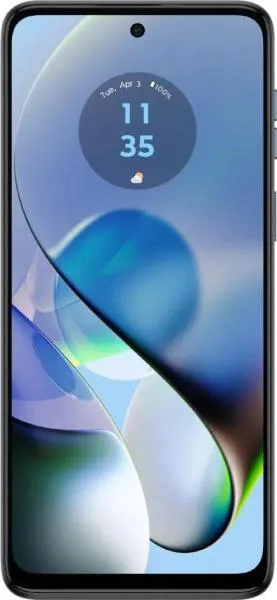
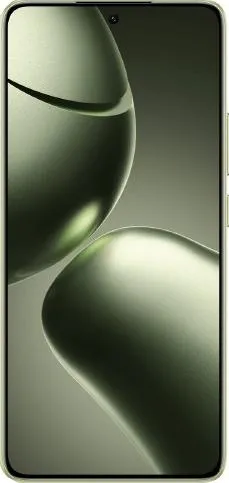
| Feature | Motorola Moto G54 | Xiaomi 14T | Practical Impact |
|---|---|---|---|
| Design | |||
| Dimensions | 161.6 x 73.8 x 8 mm | 160.5 x 75.1 x 7.8 mm | Xiaomi 14T is slightly narrower but thicker. Negligible difference in practical usage. |
| Weight | 177g | 193g | Moto G54 is noticeably lighter, reducing hand fatigue during extended use. |
| Fingerprint Sensor | Side-mounted | Under-display | Personal preference; under-display is often considered more modern, side-mounted can be faster and more reliable. |
| Display | |||
| Display Type | IPS LCD, 120Hz | AMOLED, 68B colors, 144Hz, Dolby Vision, HDR10+, 1600 nits (HBM), 4000 nits (peak) | Xiaomi 14T offers significantly better display quality with richer colors, higher brightness (especially outdoors), smoother scrolling, and HDR support for enhanced media consumption. |
| Size | 6.5" | 6.67" | Xiaomi 14T has a slightly larger screen, providing more immersive viewing. |
| Resolution | 1080 x 2400 | 1220 x 2712 | Xiaomi 14T has a sharper display with higher pixel density (446 ppi vs 405 ppi), resulting in crisper text and images. |
| Refresh Rate | 120Hz | 144Hz | While both offer smooth scrolling, the 144Hz on the Xiaomi 14T will be slightly smoother, particularly noticeable in fast-paced gaming. |
| Performance | |||
| Chipset | Mediatek Dimensity 7020 (6 nm) | Mediatek Dimensity 8300 Ultra (4 nm) | Xiaomi 14T features a significantly more powerful processor built on a smaller node, resulting in faster performance, better multitasking, and improved gaming capabilities. |
| CPU | Octa-core (2x2.2 GHz Cortex-A78 & 6x2.0 GHz Cortex-A55) | Octa-core (1x3.35 GHz Cortex-A715 & 3x3.20 GHz Cortex-A715 & 4x2.20 GHz Cortex-A510) | The Xiaomi 14T's CPU architecture and higher clock speeds indicate a substantial performance advantage. |
| GPU | IMG BXM-8-256 | Mali G615-MC6 | The Mali G615-MC6 in the Xiaomi 14T is more powerful, offering superior graphics performance for demanding games and applications. |
| RAM/Storage | 256GB/8GB RAM | 512GB/12GB RAM | Xiaomi 14T offers double the storage and more RAM, allowing for smoother multitasking and more storage space for apps, photos, and videos. |
| Camera | |||
| Video Capabilities | 1080p@30/60fps | Up to 4K@60fps, 1080p@960fps | The Xiaomi 14T offers vastly superior video recording capabilities, including higher resolution, frame rates, and slow-motion recording. Missing details on specific camera sensors and lens configurations prevent a comprehensive comparison. |
| Battery | |||
| Capacity | 5000 mAh | 5000 mAh | Similar battery capacity; real-world battery life will depend on software optimization and usage patterns. Expect the Xiaomi 14T's more efficient processor to contribute to potentially longer battery life. |
2. Key Differences Analysis
Xiaomi 14T Advantages:
- Significantly superior display: Brighter, more vibrant colors, higher resolution, HDR support.
- Much more powerful performance: Faster processor, GPU, and more RAM for smoother multitasking and demanding tasks.
- Advanced video recording: Higher resolution, frame rates, and slow-motion capabilities.
- Larger Storage: Double the storage of the Moto G54.
Motorola Moto G54 Advantages:
- Lighter weight: More comfortable for extended use.
- Potentially lower price: Given the specs, it's likely priced lower than the Xiaomi 14T.
3. User Profiles & Recommendations
Motorola Moto G54: Budget-conscious users who prioritize basic functionality, a lightweight phone, and long battery life. Suitable for everyday tasks like calling, texting, browsing, and light gaming.
Xiaomi 14T: Users who demand top-tier performance, a stunning display for media consumption and gaming, and advanced camera capabilities. Suitable for power users, mobile gamers, and content creators.
4. Decision Framework
Key Questions for Buyers:
- What is your budget? The Moto G54 likely offers a lower price point.
- What are your primary smartphone uses? Basic tasks vs. demanding gaming/content creation.
- How important is display quality and performance? The Xiaomi 14T excels in these areas.
My Choice: Xiaomi 14T
While the Moto G54 offers a lighter weight and potentially lower price, the Xiaomi 14T's significant advantages in display, performance, and camera capabilities make it the clear winner for me. I prioritize a smooth and responsive user experience, a vibrant display for media consumption, and the ability to handle demanding tasks and gaming. The extra weight is a minor trade-off for the substantial performance and feature upgrades. The larger storage and RAM further solidify the Xiaomi 14T as a future-proof device capable of handling evolving needs. The superior video recording capabilities are also a significant factor, offering more creative freedom and higher quality content capture.
