1. Specifications Comparison
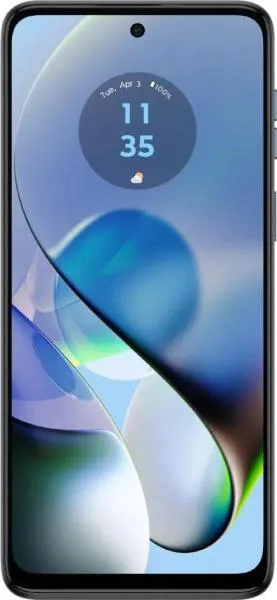
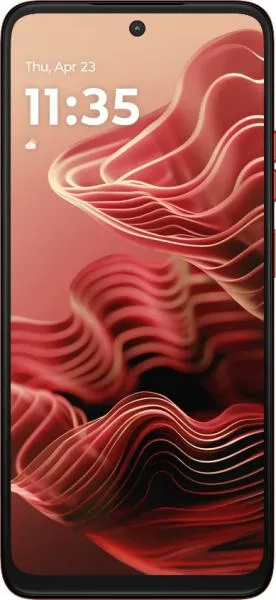
| Feature | Motorola Moto G54 | Motorola Moto G35 | Practical Impact |
|---|---|---|---|
| Design | |||
| Dimensions | 161.6 x 73.8 x 8 mm | 166.3 x 76 x 7.8 mm | The G54 is slightly smaller and thinner, potentially offering a better one-handed grip. |
| Weight | 177g | 188g | The G54 is noticeably lighter, reducing hand fatigue during extended use. |
| Display | |||
| Size | 6.5" | 6.72" | The G35 offers a larger screen for more immersive media consumption but might be less pocketable. |
| Type | IPS LCD, 120Hz | IPS LCD, 120Hz, HDR10 | Both offer smooth scrolling thanks to 120Hz. HDR10 on the G35 provides better contrast and color range for compatible content. |
| Resolution | 1080 x 2400 | 1080 x 2400 | Identical resolution, but the G35 has slightly lower pixel density (392 vs 405 ppi) due to the larger screen, making the G54 slightly sharper. |
| Peak Brightness | Not specified | 1000 nits | The G35's higher peak brightness ensures better visibility in direct sunlight. Lack of this spec for the G54 makes a direct comparison impossible. |
| Performance | |||
| Chipset | Mediatek Dimensity 7020 (6 nm) | Unisoc T760 (6 nm) | Both use 6nm process, suggesting similar power efficiency. Performance differences would require benchmarking comparisons. The Dimensity 7020 generally benchmarks slightly higher than the Unisoc T760, suggesting a potential advantage in demanding tasks and gaming for the G54. |
| CPU | Octa-core (2x2.2 GHz Cortex-A78 & 6x2.0 GHz Cortex-A55) | Octa-core (1x2.2 GHz Cortex-A76 & 3x Cortex-A76 & 4x Cortex-A55) | The core configuration suggests the G54 might offer slightly better performance in demanding tasks due to the newer Cortex-A78 cores. |
| GPU | IMG BXM-8-256 | Mali-G57 | Direct performance comparison is difficult without benchmarks. Both should handle everyday tasks and casual gaming well. |
| RAM | 8GB | 8GB | Identical RAM capacity should provide similar multitasking capabilities. |
| Storage | 256GB | 128GB | The G54 offers double the storage, allowing for more apps, photos, and videos. |
| Battery | |||
| Capacity | 5000 mAh | 5000 mAh | Identical battery capacity suggests similar battery life, though real-world usage will vary. |
| Software | |||
| OS | Android 13 | Android 14 | The G35 ships with the newer Android version, offering potential features and security updates not available on the G54. |
2. Key Differences Analysis
Motorola Moto G54 Advantages:
- Smaller and Lighter: More comfortable for one-handed use and extended holding.
- Potentially Faster Performance: Dimensity 7020 generally benchmarks as a faster chipset.
- Double the Storage: More space for apps and media files.
- Slightly Sharper Display: Higher pixel density due to smaller screen size.
Motorola Moto G35 Advantages:
- Larger Display: More immersive experience for media consumption.
- HDR10 Support: Wider color gamut and better contrast for compatible content.
- Brighter Display: Better visibility in bright sunlight.
- Newer Android Version: Access to the latest features and security updates.
Trade-offs:
- G54: Older Android version, unknown peak brightness.
- G35: Larger and heavier, less storage, slightly lower pixel density.
3. User Profiles & Recommendations
Moto G54: Ideal for users prioritizing portability, performance, and ample storage. Suitable for gaming, multitasking, and those who keep a lot of media on their phone.
Moto G35: Ideal for users who value a large, bright display for media consumption and prefer having the latest Android features. Suitable for casual gaming, video streaming, and those who spend a lot of time outdoors.
4. Decision Framework
Key Questions for Buyers:
- What screen size do you prefer? Larger screen for media consumption vs. smaller for one-handed use.
- How important is having the latest Android version and features?
- What is your budget and storage requirement?
My Choice: Motorola Moto G54
While the Moto G35 boasts a larger, brighter display with HDR10 and a newer Android version, the Moto G54 wins me over with its smaller, lighter form factor, potentially faster performance thanks to the Dimensity 7020 chipset, and double the storage. For my usage, which prioritizes performance, portability, and ample space for apps and media, the G54 offers a more compelling package. The slightly older Android version is a minor compromise considering the other benefits. While the lack of peak brightness specification for the G54 is a concern, I am willing to take the risk as I typically don't use my phone in direct sunlight very often. The significant advantage in storage and anticipated performance edge makes the G54 a more practical choice for me.
