1. Specifications Comparison
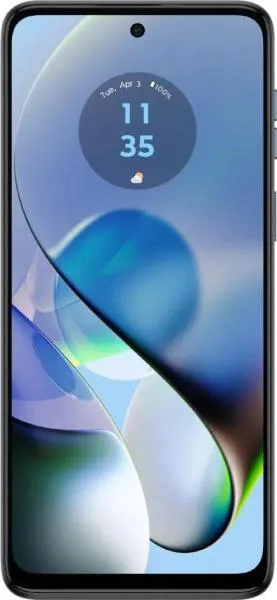
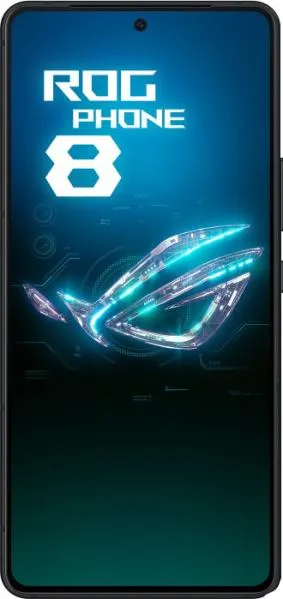
| Feature | Motorola Moto G54 | Asus ROG Phone 8 | Practical Impact |
|---|---|---|---|
| Design | |||
| Dimensions | 161.6 x 73.8 x 8 mm | 163.8 x 76.8 x 8.9 mm | ROG Phone 8 is slightly larger and thicker. Moto G54 might be more pocketable. |
| Weight | 177g | 225g | ROG Phone 8 is significantly heavier, potentially noticeable during extended use. |
| Build Materials | Not specified | Not specified | Cannot compare build quality and durability without material information. |
| Display | |||
| Display Type | IPS LCD, 120Hz | LTPO AMOLED, 1B colors, 165Hz, HDR10+ | ROG Phone 8 offers superior contrast, color accuracy, and smoothness due to AMOLED technology, higher refresh rate, and HDR10+ support. G54's LCD might appear washed out in comparison. |
| Size | 6.5" | 6.78" | ROG Phone 8 provides a larger viewing area, beneficial for media consumption and gaming. |
| Resolution | 1080 x 2400 | 1080 x 2400 | Same resolution, but pixel density is slightly lower on the ROG Phone 8 due to its larger size. Difference is negligible in practice. |
| Peak Brightness | Not specified | 2500 nits | ROG Phone 8's extreme brightness ensures excellent outdoor visibility, even in direct sunlight. Lack of data for the G54 limits comparison. |
| Refresh Rate | 120Hz | 165Hz | ROG Phone 8 offers a smoother and more responsive visual experience, particularly noticeable in fast-paced games and scrolling. |
| Performance | |||
| Chipset | Mediatek Dimensity 7020 (6nm) | Qualcomm Snapdragon 8 Gen 3 (4nm) | ROG Phone 8 boasts significantly higher CPU and GPU performance due to its flagship Snapdragon chip, enabling smoother multitasking, demanding gaming, and faster app loading. |
| CPU | Octa-core (2x2.2 GHz Cortex-A78 & 6x2.0 GHz Cortex-A55) | Octa-core (1x3.3 GHz Cortex-X4 & 3x3.2 GHz Cortex-A720 & 2x3.0 GHz Cortex-A720 & 2x2.3 GHz Cortex-A520) | Snapdragon 8 Gen 3's newer architecture and higher clock speeds translate to a significant performance advantage for the ROG Phone 8. |
| RAM | 8GB | 16GB | Double the RAM on the ROG Phone 8 allows for significantly better multitasking and smoother performance with multiple apps open. |
| Battery | |||
| Capacity | 5000 mAh | 5500 mAh | ROG Phone 8 has a slightly larger battery, but its power-hungry display and processor might offset this advantage in real-world usage. Actual battery life depends on usage patterns. |
| Camera | Not specified for either | Not specified for either | Cannot compare camera quality and features without detailed specifications. |
2. Key Differences Analysis
Motorola Moto G54 Advantages:
- Potentially more affordable: While both are in the "medium price" range, the Moto G54 is likely less expensive.
- More compact and lighter: Easier to handle and carry.
Asus ROG Phone 8 Advantages:
- Significantly higher performance: Superior CPU and GPU for demanding tasks and gaming.
- Superior display: AMOLED with HDR10+, higher refresh rate, and peak brightness.
- More RAM: Improved multitasking capabilities.
Trade-offs:
- ROG Phone 8: Higher price, larger and heavier design, potentially shorter battery life despite larger capacity.
- Moto G54: Lower performance, less vibrant display, limited multitasking capabilities.
3. User Profiles & Recommendations
Moto G54: Suitable for budget-conscious users prioritizing basic smartphone functionality: calling, texting, web browsing, social media, casual gaming.
ROG Phone 8: Ideal for mobile gamers, power users, and those who demand top-tier performance and a premium display experience. Suitable for content creation and heavy multitasking.
4. Decision Framework
Key Questions:
- What is your budget? The ROG Phone 8 will likely be significantly more expensive.
- What are your primary smartphone uses? Casual use vs. demanding gaming/multitasking.
- Do you prioritize portability and comfort? The Moto G54 is smaller and lighter.
Scenario-Based Recommendations:
- Limited budget, basic usage: Moto G54
- Demanding gamer, prioritize performance: ROG Phone 8
- Balance of performance and affordability: Consider other options within the "medium price" range with detailed specifications available.
My Choice: Asus ROG Phone 8
While lacking camera specifics for a complete assessment, the Asus ROG Phone 8 is my choice. Its superior performance driven by the Snapdragon 8 Gen 3, coupled with the stunning AMOLED display and ample RAM, outweighs the trade-offs of size and weight for me. I prioritize a smooth and responsive user experience, especially for gaming and multitasking, making the ROG Phone 8 a clear winner. The higher refresh rate and HDR10+ support further enhance the visual experience. While potentially more expensive, the long-term performance benefits justify the investment for my usage pattern.
