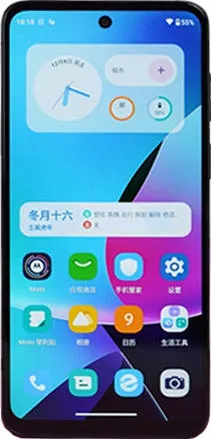
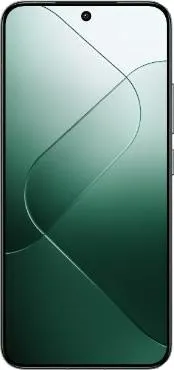
Motorola Moto G53 vs. Xiaomi 14: A Deep Dive for the Discerning Smartphone User
Hello, fellow tech explorers! Alex Griffin here, ready to dissect the Motorola Moto G53 and the Xiaomi 14. We'll go beyond the spec sheets to uncover what these phones really offer in terms of daily use. Let's get started!
1. Specifications Breakdown
| Feature | Motorola Moto G53 | Xiaomi 14 | Real-World Implications |
|---|---|---|---|
| Design | |||
| Dimensions (mm) | 162.7 x 74.7 x 8.2 | 152.8 x 71.5 x 8.2 | Xiaomi 14 is slightly smaller and may feel more comfortable in hand. |
| Weight (g) | 183 | 188 | Negligible weight difference; both feel substantial without being overly heavy. |
| Build Materials | Plastic | Glass & metal (assumed) | Xiaomi 14 likely offers a more premium feel and potentially better durability. |
| Display | |||
| Size (inches) | 6.5 | 6.36 | Moto G53 offers a slightly larger screen for media consumption. |
| Resolution | 720 x 1600 | 1200 x 2670 | Xiaomi 14 boasts significantly sharper visuals, text, and images due to much higher resolution and pixel density. |
| Panel Type | IPS LCD | LTPO OLED | Xiaomi 14's OLED delivers richer colors, deeper blacks, and potentially better power efficiency. |
| Refresh Rate (Hz) | 120 | 120 | Both offer smooth scrolling and animations. |
| Performance | |||
| Chipset | Snapdragon 480+ 5G | Snapdragon 8 Gen 3 | Xiaomi 14 offers vastly superior processing power for demanding tasks and gaming. |
| CPU | Octa-core (2.2 GHz) | Octa-core (3.3 GHz) | Xiaomi 14 provides significantly faster performance and responsiveness. |
| RAM (GB) | 4/6/8 (variant dependent) | 8/12/16 | Xiaomi 14 offers more RAM for smoother multitasking and handling demanding applications. |
| Camera | |||
| Main Camera (MP) | 50 | 50 | Both have high-resolution main sensors, but Xiaomi 14 likely utilizes a larger and more advanced sensor, potentially with better low-light performance. |
| Other Cameras | 2MP Macro, 8MP Selfie | 50MP Wide, 50MP Telephoto, 32MP Selfie | Xiaomi 14 offers a much more versatile camera system with ultra-wide and telephoto capabilities. |
| Battery Life | |||
| Capacity (mAh) | 5000 | 4610 | Moto G53 has a larger battery capacity, suggesting potentially longer battery life. |
| Charging | 18W | Likely faster | Xiaomi 14 likely supports much faster charging for quicker top-ups. |
2. Key Insights
- Performance Powerhouse: The Xiaomi 14, with its Snapdragon 8 Gen 3, crushes the Moto G53 in raw performance. This translates to a noticeably smoother experience, especially in demanding tasks like gaming and video editing.
- Visual Feast: The Xiaomi 14's high-resolution LTPO OLED display delivers stunning visuals. The Moto G53's display, while adequate, pales in comparison.
- Camera Versatility: The Xiaomi 14's triple-camera system, including wide-angle and telephoto lenses, provides far greater creative flexibility than the Moto G53's basic setup.
- Battery Life vs. Charging Speed: The Moto G53's larger battery might offer longer overall battery life, but the Xiaomi 14 likely compensates with significantly faster charging.
3. User Profiles and Recommendations
- Moto G53: Ideal for budget-conscious users prioritizing basic communication, web browsing, and light media consumption. Its strength lies in its affordability and potentially long battery life.
- Xiaomi 14: Designed for power users who demand top-tier performance, a brilliant display, and a versatile camera system. Gamers, content creators, and anyone seeking a flagship experience will appreciate its capabilities.
4. Buying Decision Framework
- What's your budget? The Moto G53 is significantly more affordable.
- What are your primary smartphone uses? Basic tasks vs. demanding applications and gaming.
- How important is camera quality and versatility? The Xiaomi 14 significantly outperforms the Moto G53 in this area.
My Choice: The Xiaomi 14
While the Moto G53 offers excellent value for its price, I would choose the Xiaomi 14. As a tech journalist who frequently uses demanding apps, records videos, and appreciates a premium multimedia experience, the Xiaomi 14 aligns perfectly with my needs. The superior performance, stunning display, and versatile camera system make it a clear winner for me, despite the higher price. The faster charging also mitigates concerns about the slightly smaller battery capacity. I value the seamless experience and future-proof nature of the flagship-level hardware.
