Motorola Moto G32 vs. Xiaomi 14: A Deep Dive for the Discerning Smartphone User
Hello, fellow tech explorers! Alex Griffin here, ready to dissect the Motorola Moto G32 and the Xiaomi 14. We'll go beyond the spec sheets to uncover what these devices really offer in terms of daily use. Let's get started!
1. Specifications Breakdown
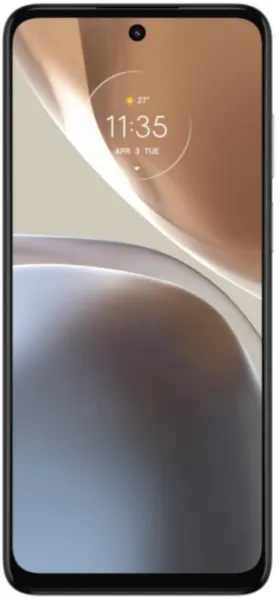
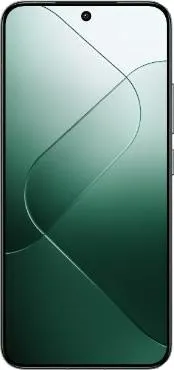
| Feature | Motorola Moto G32 | Xiaomi 14 | Real-World Implications | |||||
|---|---|---|---|---|---|---|---|---|
| Design | ||||||||
| Dimensions (mm) | 161.8 x 73.8 x 8.5 | 152.8 x 71.5 x 8.2 | Xiaomi 14 is noticeably more compact | Weight (g) | 184 | 188 | Negligible difference in hand feel | |
| Display | ||||||||
| Type | IPS LCD, 90Hz | LTPO OLED, 120Hz | Xiaomi 14 boasts superior contrast, vibrant colors, smoother scrolling, and power efficiency due to LTPO. | |||||
| Size (inches) | 6.5 | 6.36 | Virtually identical screen real estate | |||||
| Resolution (px) | 1080 x 2400 | 1200 x 2670 | Sharper, more detailed visuals on the Xiaomi 14 | |||||
| Peak Brightness | N/A | 3000 nits | Xiaomi 14 offers exceptional outdoor visibility | |||||
| Performance | ||||||||
| Chipset | Snapdragon 680 4G | Snapdragon 8 Gen 3 | Xiaomi 14 delivers significantly faster processing, smoother multitasking, and superior gaming performance | |||||
| CPU | Octa-core (4x2.4 GHz & 4x1.9 GHz) | Octa-core (1x3.3 GHz & 3x3.2 GHz & 2x3.0 GHz & 2x2.3 GHz) | Xiaomi 14's advanced CPU architecture offers a substantial performance leap. | |||||
| GPU | Adreno 610 | Adreno 750 | Much more powerful graphics processing on the Xiaomi 14 for demanding games and applications. | |||||
| RAM | 6GB | 12GB | Xiaomi 14 allows for seamless multitasking and app switching | |||||
| Camera | ||||||||
| Main Sensor | 50MP, f/1.8 | 50MP, f/1.6, OIS | Xiaomi 14's larger sensor, wider aperture, and optical image stabilization should result in better low-light photos and sharper images overall. | |||||
| Ultrawide | 8MP, f/2.2 | 50MP, f/2.2 | Massive resolution advantage for the Xiaomi 14 in ultrawide photography. | |||||
| Telephoto | N/A | 50MP, f/2.0, OIS | Xiaomi 14 offers optical zoom and portrait capabilities, absent in the Moto G32. | |||||
| Video | 1080p@30fps | 8K@24fps | Xiaomi 14 capable of significantly higher resolution video recording. | |||||
| Battery Life | ||||||||
| Capacity (mAh) | 5000 | 4610 | Moto G32 likely to offer longer battery life due to larger capacity and less demanding hardware. | |||||
| Fast Charging | 30W | 90W | Significantly faster charging on the Xiaomi 14. |
2. Key Insights
The Xiaomi 14 is a clear flagship contender, boasting a cutting-edge processor, a stunning OLED display, and a versatile camera system. Its performance will be noticeably faster, and visually richer, especially in demanding tasks like gaming and media consumption. The advanced camera system with optical image stabilization and a high-resolution telephoto lens allows for greater creative control.
The Moto G32, however, focuses on practicality and affordability. While less powerful, the Snapdragon 680 is still capable of handling everyday tasks smoothly. Its larger battery capacity potentially translates to longer usage time between charges. It's a reliable workhorse for users who prioritize essential features and long battery life.
3. User Profiles and Recommendations
Moto G32: Ideal for budget-conscious users, students, or anyone prioritizing battery life and reliability over peak performance. Great for social media, web browsing, and casual photography.
Xiaomi 14: Perfect for power users, gamers, photography enthusiasts, and those seeking the latest and greatest technology. Excellent for demanding applications, content creation, and capturing high-quality photos and videos.
4. Buying Decision Framework
- What is your budget? The Moto G32 is significantly more affordable.
- What are your primary smartphone uses? For basic tasks, the Moto G32 suffices. For demanding applications and content creation, the Xiaomi 14 excels.
- How important is battery life versus charging speed? The Moto G32 likely lasts longer on a single charge, but the Xiaomi 14 charges much faster.
My Choice: Xiaomi 14
While the Moto G32 is a solid budget option, I would choose the Xiaomi 14. As a tech enthusiast and someone who utilizes my phone for demanding tasks like video editing and gaming, the Xiaomi 14's superior performance, gorgeous display, and advanced camera system are incredibly appealing. The faster charging speed mitigates the slightly smaller battery capacity. While more expensive, the Xiaomi 14 offers a significant leap in overall user experience that justifies the price premium for me. It represents a future-proof investment in mobile technology.
