1. Specifications Comparison
| Feature | Motorola Moto G14 | Xiaomi 14 | Practical Impact |
|---|---|---|---|
| Design | |||
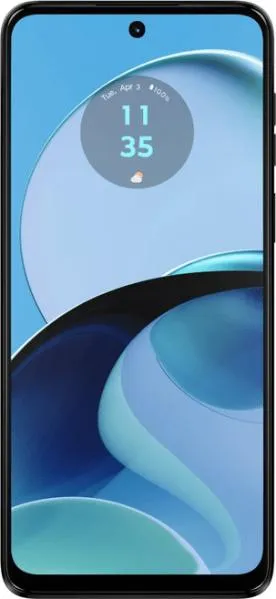
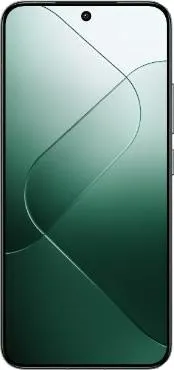
| Dimensions | 161.5 x 73.8 x 8 mm | 152.8 x 71.5 x 8.2 mm | Xiaomi 14 is slightly smaller and thinner, potentially improving one-handed usability. |
| Weight | 177 g | 188 g | Xiaomi 14 is noticeably heavier, which might be a factor for some users. |
| Build Materials | Not specified | Not specified | Build quality and durability cannot be compared without further information. |
| Display | |||
| Display Type | IPS LCD | LTPO OLED | Xiaomi 14's OLED offers superior contrast, deeper blacks, and potentially better power efficiency due to individual pixel illumination. |
| Size | 6.5" | 6.36" | Negligible size difference. |
| Resolution | 1080 x 2400 | 1200 x 2670 | Xiaomi 14 boasts a sharper display with higher pixel density (460 ppi vs 405 ppi), resulting in crisper text and images. |
| Refresh Rate | Not specified | 120 Hz | Xiaomi 14's 120Hz refresh rate provides significantly smoother animations and scrolling compared to the Moto G14's unspecified refresh rate (likely 60Hz). This greatly enhances the user experience in everyday tasks and gaming. |
| Peak Brightness | Not specified | 3000 nits | The Xiaomi 14's exceptionally high peak brightness ensures excellent outdoor visibility even in direct sunlight. The Moto G14's unspecified brightness may struggle in bright conditions. |
| Performance | |||
| Chipset | Unisoc Tiger T616 (12 nm) | Snapdragon 8 Gen 3 (4 nm) | The Snapdragon 8 Gen 3 in the Xiaomi 14 is a flagship processor offering significantly higher performance and efficiency compared to the budget-oriented Unisoc Tiger T616. This translates to vastly improved speed in demanding tasks, gaming, and multitasking. |
| CPU | Octa-core (2x2.0 GHz Cortex-A75 & 6x1.8 GHz Cortex-A55) | Octa-core (1x3.3 GHz Cortex-X4 & 3x3.2 GHz Cortex-A720 & 2x3.0 GHz Cortex-A720 & 2x2.3 GHz Cortex-A520) | The Xiaomi 14's CPU architecture is far more powerful and modern, enabling faster processing speeds and better handling of demanding applications. |
| GPU | Mali-G57 MP1 | Adreno 750 | Xiaomi 14's Adreno 750 GPU provides a substantially better gaming experience with higher frame rates and detail levels compared to the Moto G14's Mali-G57 MP1. |
| RAM/Storage | 256GB/8GB RAM | 512GB/12GB RAM, 256GB/12GB RAM | The Xiaomi 14 offers more RAM and storage options, enabling smoother multitasking and more space for apps and files. |
| Battery | |||
| Capacity | 5000 mAh | 4610 mAh | While the Moto G14 has a slightly larger battery capacity, the Xiaomi 14's more efficient OLED display and processor may result in comparable or even better battery life. Real-world usage will vary. |
| Other | |||
| OS | Android 13 | Android 14 | The Xiaomi 14 comes with the latest Android version, offering potential new features and longer software support. |
| USB | USB Type-C 2.0 | USB Type-C 3.2, OTG | Xiaomi 14 supports faster data transfer speeds and On-The-Go functionality for connecting peripherals. |
2. Key Differences Analysis
Xiaomi 14 Advantages:
- Significantly higher performance: The Snapdragon 8 Gen 3 offers a massive leap in processing power for demanding tasks and gaming.
- Superior display: The 120Hz LTPO OLED panel delivers smoother visuals, vibrant colors, and better outdoor visibility.
- Faster charging and data transfer: USB 3.2 allows for quicker charging and file transfers.
- Latest Android version: Android 14 provides newer features and potentially longer software updates.
Motorola Moto G14 Advantages:
- Potentially longer battery life: The larger 5000 mAh battery might offer extended usage time, although this depends heavily on usage patterns and the Xiaomi 14's efficiency.
- Lower price: The Moto G14 targets the budget segment, making it significantly more affordable.
3. User Profiles & Recommendations
Moto G14: Budget-conscious users who prioritize basic functionality, long battery life, and affordability over top-tier performance and features. Ideal for: casual web browsing, social media, light gaming, calling, and texting.
Xiaomi 14: Users who demand high performance, a premium display, the latest features, and are willing to pay a premium. Ideal for: demanding gaming, content creation, multitasking, photography enthusiasts.
4. Decision Framework
Key Questions:
- What is your budget? The Moto G14 is a budget option, while the Xiaomi 14 is a premium device.
- What are your primary use cases? Identify your needs - basic communication vs demanding tasks and gaming.
- How important are display quality and performance? The Xiaomi 14 significantly outperforms the Moto G14 in these areas.
My Choice: Xiaomi 14
While the Motorola Moto G14 offers excellent value for its price, the Xiaomi 14 is my choice. The significantly superior performance, stunning display, faster charging, and the latest Android version are compelling advantages. The price difference is justified by the substantial upgrade in user experience. As someone who values a smooth and responsive device with a vibrant display, the Xiaomi 14 aligns better with my needs. The performance gap between the Snapdragon 8 Gen 3 and the Unisoc T616 is too significant to ignore, especially for future-proofing the device. While battery life is a concern, the efficiency of the Xiaomi 14's components might offset the smaller battery capacity in real-world usage. The premium feel and features of the Xiaomi 14 make it a more compelling overall package.
