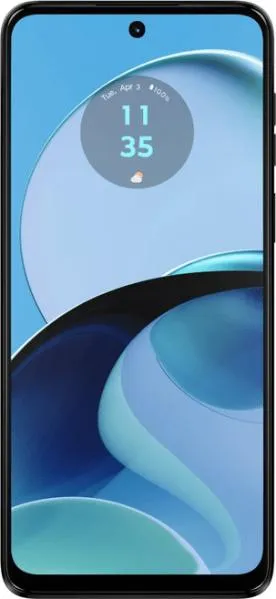
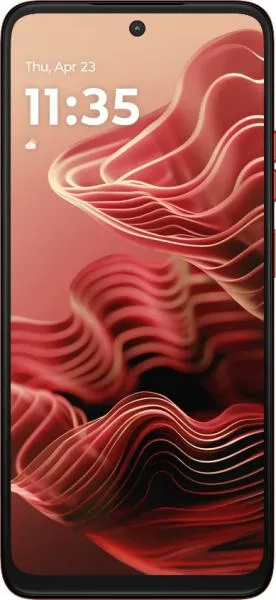
1. Specifications Comparison
| Feature | Motorola Moto G14 | Motorola Moto G35 | Practical Impact |
|---|---|---|---|
| Design | |||
| Dimensions (HxWxD) | 161.5x73.8x8mm | 166.3x76x7.8mm | G35 is slightly larger and thicker. May impact one-handed usability. |
| Weight | 177g | 188g | G14 is noticeably lighter, improving comfort for extended use. |
| Display | |||
| Size | 6.5" | 6.72" | G35 offers a slightly larger screen for more immersive content consumption. |
| Type | IPS LCD | IPS LCD | Both use the same display technology, expect similar color accuracy and viewing angles. |
| Resolution | 1080x2400 | 1080x2400 | Identical resolution; sharpness will be similar given the slight size difference. G35 will have marginally lower PPI due to the larger size |
| Refresh Rate | null | 120Hz | G35's 120Hz refresh rate provides significantly smoother scrolling and animations, resulting in a more fluid user experience. |
| Peak Brightness | null | 1000 nits | G35's higher peak brightness ensures better visibility in direct sunlight. Missing G14 brightness limits comparison. |
| HDR | N/A | HDR10 | G35 supports HDR10 for improved dynamic range and color in compatible content. |
| Performance | |||
| Chipset | Unisoc T616 (12nm) | Unisoc T760 (6nm) | G35's 6nm chipset should offer better performance and power efficiency due to the smaller manufacturing process. |
| CPU | Octa-core | Octa-core | While both are octa-core, the G35's architecture (including a faster Cortex-A76 core) indicates a performance advantage. |
| GPU | Mali-G57 MP1 | Mali-G57 | Specific core count for G35's GPU is missing, making detailed comparison difficult. Expect G35 to perform better due to newer chipset. |
| RAM | 8GB | 8GB | Same RAM capacity; multitasking performance should be comparable. |
| Storage | 256GB | 128GB | G14 offers double the storage. Significant advantage for users who store lots of media. |
| OS | Android 13 | Android 14 | G35 ships with the newer Android version, offering potential feature and security updates. |
| Camera | |||
| Video Capabilities | 1080p@30fps | 4K@30fps,1080p@30fps | G35 can record videos in 4K resolution, a significant advantage for content creators. |
| Other Camera Specs | Missing | Missing | Insufficient information to compare camera quality and features. |
| Battery | |||
| Capacity | 5000mAh | 5000mAh | Identical battery capacity. Actual battery life depends on usage and optimization; G35's more efficient chipset might provide an edge. |
2. Key Differences Analysis
Moto G14 Advantages:
- Lower Price: Expected to be more affordable.
- Larger Storage: Double the storage of the G35.
- Lighter Weight: Noticeably lighter, making it more comfortable for extended use.
Moto G35 Advantages:
- Smoother Display: 120Hz refresh rate for a more fluid user experience.
- Better Performance: More powerful and efficient chipset.
- Higher Resolution Video Recording: 4K@30fps video recording capability.
- Brighter Display: Better visibility outdoors.
- Newer Android Version: Comes with Android 14, offering potential software and security advantages.
Trade-offs:
- G35's performance and features come at a higher price and larger/heavier build.
- G14 prioritizes affordability and storage but compromises on performance and display features.
3. User Profiles & Recommendations
Moto G14: Budget-conscious users who prioritize storage and affordability. Suitable for:
- Casual users primarily focused on communication, social media, and web browsing.
- Users who download lots of media and require ample storage.
Moto G35: Users who value performance, a smooth display, and the latest features. Ideal for:
- Mobile gamers who need a responsive and fluid experience.
- Users who consume a lot of media and appreciate a larger, brighter display.
- Content creators who want to record high-quality videos.
4. Decision Framework
Key Questions:
- What is your budget? The G14 is expected to be significantly more affordable.
- What are your primary smartphone usage patterns? Casual use vs. gaming/media consumption.
- Do you prioritize storage or performance/display quality? G14 offers more storage, G35 boasts better performance and display.
Scenario-Based Recommendations:
- Limited Budget, Basic Use: Moto G14
- Moderate Budget, Gaming/Media Consumption: Moto G35
- High Storage Needs, Casual Use: Moto G14
- Latest Features and Performance: Moto G35
My Choice: Motorola Moto G35
While the Moto G14 offers excellent value for its price, I would choose the Motorola Moto G35. The significantly improved performance, 120Hz refresh rate for a smoother user experience, brighter display for better outdoor visibility, and the ability to record 4K video are compelling advantages. Although it comes at a higher price and has less storage, the overall user experience offered by the G35 would be significantly better for my needs. The jump to a more modern chipset on a smaller node (6nm vs 12nm) should provide a tangible benefit in daily use and battery life. As someone who values a fluid and responsive smartphone experience, the 120Hz display is a key differentiator. Finally, future-proofing with Android 14 ensures longer software support and newer features.
