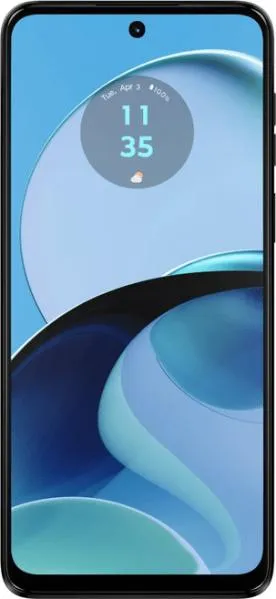
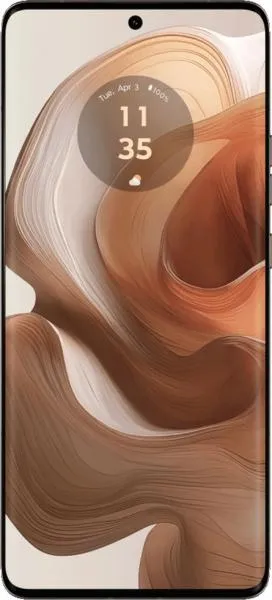
1. Specifications Comparison
| Feature | Motorola Moto G14 | Motorola Edge 50 Ultra | Practical Impact |
|---|---|---|---|
| Design | |||
| Dimensions | 161.5 x 73.8 x 8 mm | 161.1 x 72.4 x 8.6 mm | Virtually identical in hand feel. |
| Weight | 177g | 197g | Edge 50 Ultra noticeably heavier; may impact one-handed use for some. |
| Build Materials | Not specified | Not specified | Cannot compare build quality and durability. |
| Display | |||
| Size | 6.5" | 6.7" | Edge 50 Ultra offers slightly larger viewing area. |
| Type | IPS LCD | P-OLED | Edge 50 Ultra provides deeper blacks, richer colors, and better power efficiency. |
| Resolution | 1080 x 2400 | 1220 x 2712 | Edge 50 Ultra sharper; noticeable difference in detail. |
| Refresh Rate | Not specified | 144Hz | Edge 50 Ultra significantly smoother for scrolling, gaming, and animations. G14's refresh rate is unknown. |
| Peak Brightness | Not specified | 2500 nits | Edge 50 Ultra dramatically brighter; exceptional outdoor visibility. G14's brightness is unknown and cannot be compared. |
| Performance | |||
| Chipset | Unisoc Tiger T616 (12 nm) | Qualcomm Snapdragon 8s Gen 3 (4 nm) | Edge 50 Ultra vastly more powerful; significant difference in speed, multitasking, and demanding tasks. |
| CPU | Octa-core (2x2.0 GHz Cortex-A75 & 6x1.8 GHz Cortex-A55) | Octa-core (1x3.0 GHz Cortex-X4 & 4x2.8 GHz Cortex-A720 & 3x2.0 GHz Cortex-A520) | Edge 50 Ultra's CPU significantly faster and more efficient. |
| GPU | Mali-G57 MP1 | Adreno 735 | Edge 50 Ultra offers dramatically better gaming and graphics performance. |
| RAM | 8GB | 16GB | Edge 50 Ultra allows for more apps to run in the background and smoother multitasking. |
| Storage | 256GB | 512GB | Edge 50 Ultra offers double the storage. |
| Camera | |||
| Video Capabilities | 1080p@30fps | Up to 1080p@960fps | Edge 50 Ultra offers significantly better video recording capabilities, including higher resolution, frame rates, and slow-motion options. Specific sensor details are missing for comparison. |
| Battery | |||
| Capacity | 5000 mAh | 4500 mAh | G14 has a larger battery capacity, but real-world battery life depends on numerous factors, including display and processor efficiency. |
| Other | |||
| OS | Android 13 | Android 14 | Edge 50 Ultra comes with a newer OS version, offering potential feature and security advantages. It will also receive more OS updates. |
| USB | USB Type-C 2.0 | USB Type-C 3.1 Gen2, OTG, DisplayPort 1.4 | Edge 50 Ultra offers significantly faster data transfer and display output capabilities. |
2. Key Differences Analysis
Motorola Moto G14 Advantages:
- Potentially longer battery life: Larger battery capacity, though real-world usage will vary.
- Lower price: Positioned in the "low price" range.
Motorola Edge 50 Ultra Advantages:
- Significantly more powerful: Superior processor, GPU, and RAM for demanding tasks and gaming.
- Superior display: OLED technology with higher resolution, refresh rate, and brightness.
- More advanced camera features: Higher resolution and frame rate video recording capabilities.
- Faster charging and data transfer: USB 3.1 Gen2 support.
- Newer OS with longer support: Android 14 with guaranteed updates to Android 17.
3. User Profiles & Recommendations
Moto G14: Budget-conscious users who prioritize basic functionality: calling, texting, web browsing, social media.
Edge 50 Ultra: Users who demand top-tier performance, a premium display, and advanced camera features for gaming, content creation, and multitasking.
4. Decision Framework
Key Questions:
- What is your budget? The G14 is a budget option, while the Edge 50 Ultra is a premium device.
- What are your primary use cases? Basic tasks vs. demanding applications and gaming.
- How important is display quality and performance? The Edge 50 Ultra offers a significantly better visual experience and overall speed.
My Choice: Motorola Edge 50 Ultra
While the Moto G14 offers excellent value for its price, the Edge 50 Ultra is the clear winner for me. The significantly improved performance, stunning display, advanced camera features, and future-proof software updates justify the higher price. I value a smooth and responsive user experience, high-quality visuals, and the ability to handle demanding tasks and gaming, making the Edge 50 Ultra the better choice for my needs. The longer software support commitment is also a huge deciding factor. While battery life is a concern, I would rather have a slightly shorter battery life with a much better overall user experience.
