1. Specifications Comparison
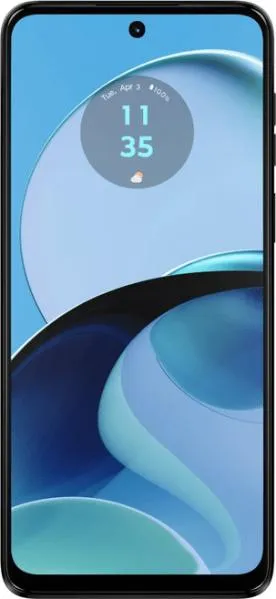
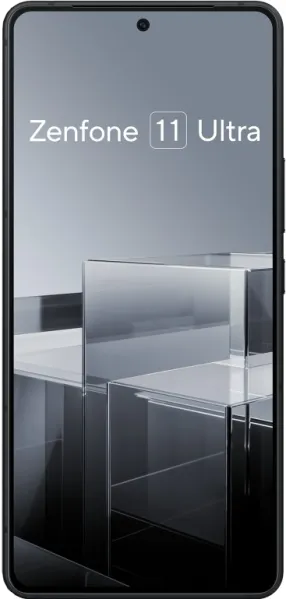
| Feature | Motorola Moto G14 | Asus Zenfone 11 Ultra | Practical Impact |
|---|---|---|---|
| Design | |||
| Dimensions | 161.5 x 73.8 x 8 mm | 163.8 x 76.8 x 8.9 mm | Zenfone 11 Ultra is slightly larger and thicker. |
| Weight | 177g | 224g | Zenfone 11 Ultra is noticeably heavier (47g). This can impact one-handed use and portability. |
| Build Materials | Not specified | Not specified | Build quality and durability cannot be compared without more information. |
| Display | |||
| Display Type | IPS LCD | LTPO AMOLED | AMOLED offers significantly better contrast, deeper blacks, and potentially lower power consumption. |
| Size | 6.5" | 6.78" | Zenfone 11 Ultra offers a slightly larger screen for media consumption. |
| Resolution | 1080 x 2400 | 1080 x 2400 | Same resolution, but the Zenfone's larger display results in a slightly lower pixel density (388 vs 405 ppi). Difference is negligible in practice. |
| Refresh Rate | Not specified | 144Hz | Higher refresh rate on the Zenfone 11 Ultra will result in significantly smoother scrolling and animations, benefiting gaming and general UI responsiveness. |
| Peak Brightness | Not specified | 2500 nits | The significantly higher peak brightness of the Zenfone 11 Ultra ensures excellent outdoor visibility. |
| Performance | |||
| Chipset | Unisoc Tiger T616 (12 nm) | Qualcomm Snapdragon 8 Gen 3 (4 nm) | Snapdragon 8 Gen 3 is a flagship-level processor, vastly more powerful than the Unisoc T616. Expect significantly better performance in demanding tasks and gaming on the Zenfone. |
| CPU | Octa-core (2x2.0 GHz Cortex-A75 & 6x1.8 GHz Cortex-A55) | Octa-core (1x3.3 GHz Cortex-X4 & 3x3.2 GHz Cortex-A720 & 2x3.0 GHz Cortex-A720 & 2x2.3 GHz Cortex-A520) | The Zenfone's CPU architecture is significantly more powerful and efficient. |
| GPU | Mali-G57 MP1 | Adreno 750 | Adreno 750 offers drastically improved graphics performance compared to the Mali-G57 MP1, crucial for high-end gaming. |
| RAM | 8GB | 16GB | More RAM on the Zenfone allows for smoother multitasking and better performance with demanding applications. |
| Storage | 256GB | 512GB | Double the storage on the Zenfone provides ample space for apps, media, and files. |
| Battery | |||
| Capacity | 5000 mAh | 5500 mAh | Larger battery in the Zenfone suggests longer battery life, but real-world usage depends on other factors like display and processor efficiency. |
| Camera | |||
| Video Capabilities | 1080p@30fps | Up to 8K@24fps and slow-motion up to 720p@480fps | Zenfone offers vastly superior video recording capabilities with higher resolutions, frame rates, and advanced features (HDR, EIS). Missing detailed camera specifications limit a full comparison. |
2. Key Differences Analysis
Motorola Moto G14 Advantages:
- Potentially Lower Price: Being in the "low price" range, it likely offers a more affordable option.
Asus Zenfone 11 Ultra Advantages:
- Significantly Superior Performance: The Snapdragon 8 Gen 3 and higher RAM offer vastly better performance for demanding tasks and gaming.
- Much Better Display: AMOLED technology, 144Hz refresh rate, and incredibly high brightness provide a superior visual experience.
- Larger Storage: Double the storage capacity for apps, media, and files.
- Enhanced Video Recording: Extensive video recording features and higher resolutions.
- Longer Software Support: Android 14 with confirmed updates to Android 16 ensures longer security and feature updates.
3. User Profiles & Recommendations
Motorola Moto G14: Budget-conscious users prioritizing basic communication, web browsing, and light media consumption.
Asus Zenfone 11 Ultra: Power users, gamers, and content creators who demand top-tier performance, a stunning display, and advanced camera features.
4. Decision Framework
Key Questions:
- What is your budget? The Moto G14 is likely much more affordable.
- What are your primary use cases? Basic tasks vs. demanding gaming and content creation.
- How important is display quality and performance? The Zenfone 11 Ultra excels in these areas.
My Choice: Asus Zenfone 11 Ultra
While the Motorola Moto G14 might be a good budget option, the Asus Zenfone 11 Ultra is the clear winner for me. The superior performance, stunning display with a high refresh rate, extended software support, and advanced camera capabilities justify the higher price. I value a smooth and responsive user experience, excellent visual quality, and the ability to handle demanding tasks without lag. The Zenfone 11 Ultra clearly delivers in these crucial areas. The significantly heavier weight is a trade-off I am willing to accept for the substantial performance and feature upgrades.
