1. Specifications Comparison
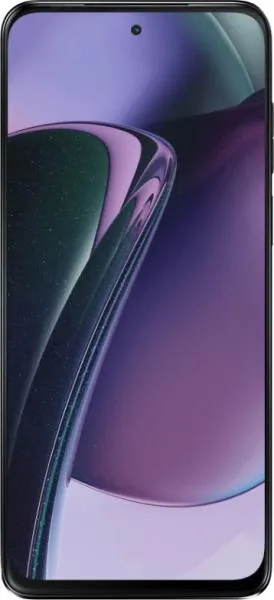
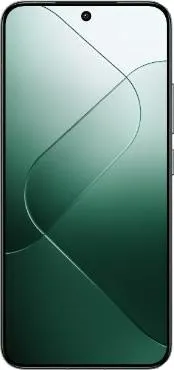
| Feature | Motorola Moto G Stylus 5G (2023) | Xiaomi 14 | Practical Impact |
|---|---|---|---|
| Design | |||
| Dimensions (mm) | 162.8 x 73.8 x 9.2 | 152.8 x 71.5 x 8.2 | Xiaomi 14 is noticeably smaller and thinner, making it more pocketable and comfortable for one-handed use. |
| Weight (g) | 202 | 188 | Xiaomi 14 is lighter, further enhancing one-handed usability and reducing fatigue during extended use. |
| Build Material | Not specified | Not specified | Cannot compare build quality and durability without material information. |
| Display | |||
| Display Type | IPS LCD, 120Hz | LTPO OLED, 120Hz | Xiaomi 14's OLED offers superior contrast, deeper blacks, and potentially better power efficiency due to LTPO's variable refresh rate. |
| Display Size (inches) | 6.6 | 6.36 | Slight size difference, Motorola offers a larger screen for media consumption but may be less comfortable for one-handed use. |
| Resolution | 1080 x 2400 | 1200 x 2670 | Xiaomi 14 boasts a sharper display with higher pixel density, resulting in crisper text and images. |
| Peak Brightness | Not specified | 3000 nits | Xiaomi 14's significantly higher peak brightness ensures excellent outdoor visibility. Missing information for Motorola limits comparison. |
| HDR Support | No Dolby Vision | Dolby Vision, HDR10+ | Xiaomi 14 supports wider HDR formats, providing a richer viewing experience with compatible content. |
| Performance | |||
| Chipset | Snapdragon 6 Gen 1 (4nm) | Snapdragon 8 Gen 3 (4nm) | Xiaomi 14 uses a flagship-level processor, delivering significantly faster performance for demanding tasks and gaming. |
| CPU | Octa-core (4x2.2 GHz Cortex-A78 & 4x1.8 GHz Cortex-A55) | Octa-core (1x3.3 GHz Cortex-X4 & 3x3.2 GHz Cortex-A720 & 2x3.0 GHz Cortex-A720 & 2x2.3 GHz Cortex-A520) | Xiaomi 14's more advanced CPU architecture and higher clock speeds translate to a much smoother and more responsive user experience. |
| RAM | 8GB | 12GB | Xiaomi 14's larger RAM allows for more efficient multitasking and smoother performance with multiple apps open. |
| Camera | |||
| Main Camera | 50MP, f/1.88 | 50MP, f/1.6, OIS | Xiaomi 14's wider aperture allows for better low-light performance. Both have OIS for stable video recording. |
| Ultrawide | 8MP, f/2.2 | 50MP, f/2.2 | Xiaomi 14's ultrawide camera boasts a significantly higher resolution, capturing more detail. |
| Telephoto | None | 50MP, f/2.0, OIS | Xiaomi 14 features a telephoto lens for optical zoom, enabling lossless zoomed-in shots, which the Motorola lacks. |
| Video Recording | 4K@30fps | 8K@24fps | Xiaomi 14 supports higher resolution video recording. |
| Battery | |||
| Capacity | 5000 mAh | 4610 mAh | Motorola has a larger battery capacity, potentially offering longer battery life. However, real-world usage depends on other factors like display and processor efficiency. |
| Charging Speed | Not specified | Not specified | Cannot compare charging speeds without specific data. |
2. Key Differences Analysis
Motorola Moto G Stylus 5G (2023) Advantages:
- Larger Battery: Potentially longer battery life.
- Stylus Support: Offers precise input for note-taking and drawing (not explicitly mentioned in specs but implied by the name).
- Lower Price: Likely more affordable given the mid-range specifications.
Xiaomi 14 Advantages:
- Superior Performance: Significantly faster processor and more RAM for a smoother and more responsive experience.
- Higher Quality Display: OLED technology with higher resolution, brighter display, and wider HDR support.
- More Versatile Camera System: Includes a high-resolution ultrawide and telephoto lens, along with 8K video recording.
- More Compact Design: Smaller and lighter for easier one-handed use.
3. User Profiles & Recommendations
Motorola Moto G Stylus 5G (2023): Ideal for budget-conscious users who prioritize battery life and stylus functionality for note-taking or drawing. Suitable for casual users who primarily use their phone for basic tasks, social media, and light gaming.
Xiaomi 14: Suited for power users, mobile gamers, and photography enthusiasts who demand top-tier performance, a premium display, and a versatile camera system. Excellent for users who consume a lot of media and appreciate a compact form factor.
4. Decision Framework
Key Questions for Buyers:
- What is your budget? The Motorola is likely significantly cheaper.
- What are your primary use cases? Stylus use, basic tasks vs. demanding applications, gaming, photography.
- How important is display quality and performance? The Xiaomi 14 offers a substantial upgrade in both areas.
My Choice: Xiaomi 14
While the Motorola Moto G Stylus 5G (2023) offers a larger battery and stylus support, the Xiaomi 14 is the clear winner for me. The significantly improved performance, stunning display, versatile camera system, and more compact design are compelling advantages. I prioritize a smooth and responsive user experience, a high-quality display for media consumption, and a capable camera for capturing memories. While battery life is important, the Xiaomi 14's battery capacity is still respectable, and the performance and display benefits outweigh the slight difference in battery size. The premium features and future-proof specifications of the Xiaomi 14 justify the higher price for my needs.
