1. Specifications Comparison
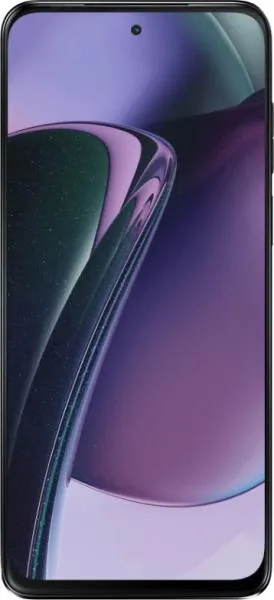
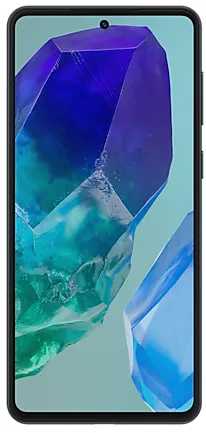
| Feature | Motorola Moto G Stylus 5G (2023) | Samsung Galaxy M55 | Practical Impact |
|---|---|---|---|
| Design | |||
| Dimensions (mm) | 162.8 x 73.8 x 9.2 | 163.9 x 76.5 x 7.8 | The Galaxy M55 is slightly larger but thinner. |
| Weight (g) | 202 | 180 | The Galaxy M55 is noticeably lighter, improving one-handed use. |
| Fingerprint Sensor | Side-mounted | Under-display | Preference-based, but under-display is often perceived as more modern. |
| Stylus | Yes | No | Significant differentiator for note-taking, sketching, and precise screen interaction. |
| Display | |||
| Display Type | IPS LCD, 120Hz | Super AMOLED+, 120Hz | AMOLED offers deeper blacks, more vibrant colors, and potentially better power efficiency. |
| Size (inches) | 6.6 | 6.7 | Negligible size difference. |
| Resolution | 1080 x 2400 | 1080 x 2400 | Identical resolution, resulting in similar sharpness. |
| Refresh Rate (Hz) | 120 | 120 | Both offer smooth scrolling and animations. |
| Performance | |||
| Chipset | Snapdragon 6 Gen 1 | Snapdragon 7 Gen 1 | The 7 Gen 1 in the Galaxy M55 provides significantly better performance in demanding tasks and gaming. |
| CPU | Octa-core (4x2.2 GHz A78 & 4x1.8 GHz A55) | Octa-core (1x2.4 GHz A710 & 3x2.36 GHz A710 & 4x1.8 GHz A510) | The M55's CPU architecture is more modern and powerful. |
| GPU | Adreno 710 | Adreno 644 | While the Adreno 710 is newer, the 644 generally offers slightly better performance in this specific comparison. |
| RAM (GB) | 8 | 8 | Both offer ample RAM for multitasking. |
| Camera | |||
| Main Camera (MP) | 50 | 50 | Similar megapixel count; image quality will depend on sensor and processing. |
| Ultrawide (MP) | 8 | 8 | Similar ultrawide capabilities. |
| Macro (MP) | N/A | 2 | Dedicated macro lens on the M55, but practical usefulness can vary. |
| Selfie Camera (MP) | 16 | 50 | Significantly higher resolution selfie camera on the M55. |
| Video Stabilization | Yes (OIS) | Yes (OIS & EIS) | Both offer stabilization, but the M55 combines optical (OIS) and electronic (EIS) for potentially smoother footage. |
| Battery | |||
| Capacity (mAh) | 5000 | 5000 | Identical battery capacity, expected similar battery life depending on usage. |
2. Key Differences Analysis
Motorola Moto G Stylus 5G (2023) Advantages:
- Integrated Stylus: A major differentiator for users who value note-taking, sketching, or precise on-screen interaction.
- Potentially Lower Price: Generally positioned at a more affordable price point.
Samsung Galaxy M55 Advantages:
- Superior Performance: The Snapdragon 7 Gen 1 offers a noticeable performance advantage for demanding tasks and gaming.
- AMOLED Display: Provides more vibrant colors, deeper blacks, and potentially better power efficiency.
- Higher Resolution Selfie Camera: 50MP selfie camera for significantly better detail in self-portraits.
- Dual SIM: Offers flexibility for users with two phone numbers.
3. User Profiles & Recommendations
Motorola Moto G Stylus 5G (2023): Ideal for budget-conscious users, students, artists, or anyone who needs a stylus for note-taking or drawing.
Samsung Galaxy M55: Suitable for users who prioritize performance, a high-quality display, and a better selfie camera experience. Good for mobile gaming, media consumption, and multitasking.
4. Decision Framework
Key Questions for Buyers:
- Is a stylus essential for your usage?
- What is your budget?
- Do you prioritize performance for gaming or demanding applications?
Scenario-Based Recommendations:
- Tight budget and need a stylus: Moto G Stylus 5G.
- Prioritize performance and display quality: Samsung Galaxy M55.
- Casual user with moderate needs: Either phone could be suitable, depending on specific priorities and price sensitivity.
My Choice: Samsung Galaxy M55
While the stylus on the Moto G Stylus is a compelling feature, the Samsung Galaxy M55's superior performance, vibrant AMOLED display, and better camera system make it the more appealing choice for me. I prioritize a smooth and responsive user experience for everyday tasks, media consumption, and occasional gaming, and the Snapdragon 7 Gen 1 delivers that. The improved selfie camera is a bonus, and while I don't personally need dual SIM functionality, it adds flexibility for potential future needs. The slightly higher price is justified by these significant advantages.
