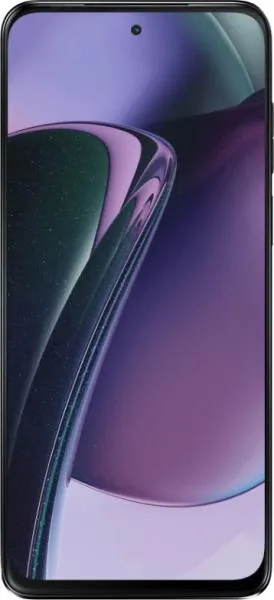
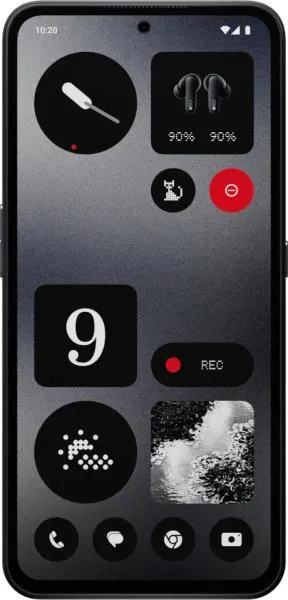
1. Specifications Comparison
| Feature | Motorola Moto G Stylus 5G (2023) | Nothing CMF Phone 1 | Practical Impact |
|---|---|---|---|
| Design | |||
| Dimensions (mm) | 162.8 x 73.8 x 9.2 | 164 x 77 x 8.2 | CMF Phone 1 is slightly larger and thinner. |
| Weight (g) | 202 | 197 | Negligible weight difference in practical use. |
| Build Material | Not specified | Not specified | Cannot compare build quality and durability. |
| Display | |||
| Display Type | IPS LCD, 120Hz | AMOLED, 120Hz | AMOLED offers deeper blacks, better contrast, and potentially higher power efficiency. Moto G Stylus's LCD may be brighter outdoors. |
| Display Size (inches) | 6.6 | 6.67 | Negligible size difference. |
| Resolution | 1080 x 2400 | 1080 x 2400 | Same resolution, similar sharpness. |
| Peak Brightness (nits) | Not specified | 2000 | CMF Phone 1's significantly higher peak brightness ensures better visibility in direct sunlight. |
| Performance | |||
| Chipset | Snapdragon 6 Gen 1 (4 nm) | Dimensity 7300 (4 nm) | Dimensity 7300 generally offers slightly better CPU performance. Real-world difference may be minimal for average users. |
| CPU | Octa-core (4x2.2 GHz A78 & 4x1.8 GHz A55) | Octa-core (4x2.5 GHz A78 & 4x2.0 GHz A55) | CMF Phone 1 has slightly faster CPU clock speeds, potentially resulting in quicker app loading and multitasking. |
| GPU | Adreno 710 | Mali-G615 MC2 | Adreno 710 generally provides a better gaming experience. |
| RAM | 8GB | 8GB | Same RAM capacity, comparable multitasking capabilities. |
| OS | Android 13 | Android 14 | CMF Phone 1 ships with a newer Android version and has longer promised software updates (up to Android 16). |
| Camera | |||
| Main Camera | 50MP, f/1.88 | 50MP, f/1.79, Sony IMX882 | CMF Phone 1 has a wider aperture and a known high-quality sensor (Sony IMX882), potentially capturing better low-light photos. |
| Selfie Camera | 16MP, f/2.5 | 16MP, f/2.0 | CMF Phone 1 has a wider aperture for potentially better selfie quality in low light. |
| Video Recording | 4K@30fps | 4K@30fps with EIS | Both record 4K, but CMF Phone 1 features Electronic Image Stabilization (EIS) for smoother videos. |
| Battery | |||
| Capacity | 5000 mAh | 5000 mAh | Same battery capacity, expected similar battery life, but real-world usage will vary. |
| Charging Speed | Not specified | Not specified | Cannot compare charging speeds. |
2. Key Differences Analysis
Motorola Moto G Stylus 5G (2023) Advantages:
- Stylus Support: Offers precise input for note-taking and drawing.
- Potentially Lower Price: Often available at a more affordable price point.
- Likely Better GPU Performance: Adreno GPUs tend to outperform Mali in benchmarks and gaming scenarios.
Nothing CMF Phone 1 Advantages:
- AMOLED Display: Superior contrast, deeper blacks, and potentially more energy efficient.
- Higher Peak Brightness: Much brighter screen for better outdoor visibility.
- Newer Android Version & Longer Support: Ships with Android 14 and guaranteed updates to Android 16.
- Better Main Camera Sensor & Aperture: Potentially superior low-light photography.
- Electronic Image Stabilization (EIS): Smoother video recording.
- Dual SIM: Supports two SIM cards simultaneously for greater flexibility.
3. User Profiles & Recommendations
Motorola Moto G Stylus 5G (2023): Ideal for budget-conscious users who prioritize note-taking, sketching, or drawing. Students, artists, and anyone who prefers a stylus for input would benefit.
Nothing CMF Phone 1: Suitable for users who value a vibrant display, good camera quality, longer software support, and modern design. Content consumers, mobile photographers, and those who prioritize software updates would appreciate this phone.
4. Decision Framework
Key Questions for Buyers:
- Is a stylus essential? If yes, the Moto G Stylus is the only option.
- What is your budget? The Moto G Stylus is typically more affordable.
- Do you prioritize display quality and camera performance? If so, the Nothing CMF Phone 1 is the better choice.
Scenario-Based Recommendations:
- Limited Budget, Note-Taker: Moto G Stylus 5G (2023)
- Multimedia Enthusiast, Value Software Updates: Nothing CMF Phone 1
My Choice: Nothing CMF Phone 1
While the stylus of the Moto G Stylus 5G is a unique feature, the Nothing CMF Phone 1 offers a more compelling overall package for my needs. The AMOLED display with its high peak brightness, the improved camera hardware with OIS, and the newer Android version with longer update commitment are significant advantages. The slightly faster processor is a bonus. While NFC is missing, it's not a dealbreaker for me personally. The overall user experience offered by the CMF Phone 1, combined with its competitive price, makes it the more attractive option.
