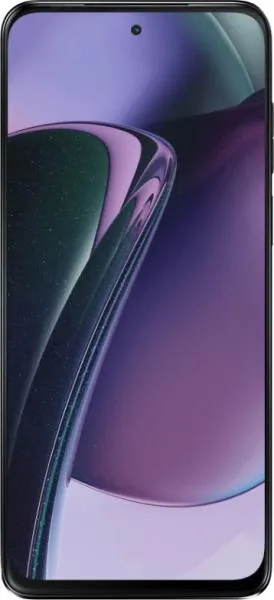
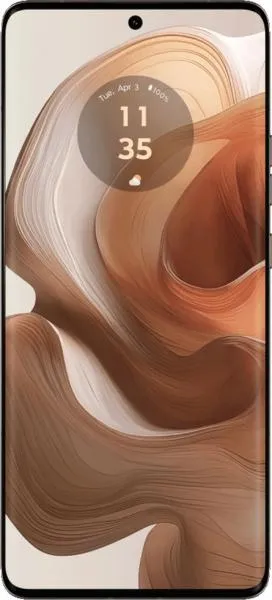
1. Specifications Comparison
| Feature | Motorola Moto G Stylus 5G (2023) | Motorola Edge 50 Ultra | Practical Impact |
|---|---|---|---|
| Design | |||
| Dimensions (mm) | 162.8 x 73.8 x 9.2 | 161.1 x 72.4 x 8.6 | Edge 50 Ultra is slightly smaller and thinner. |
| Weight (g) | 202 | 197 | Negligible weight difference. |
| Build Material | Not specified | Not specified | Cannot compare build quality and durability. |
| Display | |||
| Display Type | IPS LCD, 120Hz | P-OLED, 144Hz | Edge 50 Ultra offers deeper blacks, more vibrant colors, and smoother scrolling due to P-OLED and higher refresh rate. Potentially better outdoor visibility due to higher peak brightness. |
| Display Size (inches) | 6.6 | 6.7 | Slight size difference, likely negligible in real-world usage. |
| Resolution | 1080 x 2400 | 1220 x 2712 | Edge 50 Ultra has a sharper display. |
| Peak Brightness (nits) | Not specified | 2500 | Edge 50 Ultra should be significantly brighter outdoors. |
| Performance | |||
| Chipset | Snapdragon 6 Gen 1 | Snapdragon 8s Gen 3 | Edge 50 Ultra will offer significantly faster performance in demanding tasks like gaming and multitasking. |
| CPU | Octa-core (4x2.2 GHz Cortex-A78 & 4x1.8 GHz Cortex-A55) | Octa-core (1x3.0 GHz Cortex-X4 & 4x2.8 GHz Cortex-A720 & 3x2.0 GHz Cortex-A520) | Edge 50 Ultra's more powerful CPU architecture provides superior processing power. |
| GPU | Adreno 710 | Adreno 735 | Edge 50 Ultra will have noticeably better graphics performance for gaming. |
| RAM | 8GB | 12GB | Edge 50 Ultra enables smoother multitasking and handling of more demanding applications. |
| Camera | |||
| Main Camera | 50MP, f/1.88 | 50MP, f/1.6 | Edge 50 Ultra's wider aperture allows for better low-light performance. |
| Ultrawide | 8MP, f/2.2 | 50MP, f/2.0 | Significant difference in ultrawide quality; Edge 50 Ultra's ultrawide will produce much better images. |
| Telephoto | Not specified | 64MP, f/2.4, 3x Optical Zoom | Edge 50 Ultra offers optical zoom for clearer zoomed-in shots. |
| Selfie | 16MP, f/2.5 | 50MP, f/1.9 | Edge 50 Ultra boasts a significantly higher resolution selfie camera with a wider aperture for improved low-light performance. |
| Battery | |||
| Capacity (mAh) | 5000 | 4500 | Moto G Stylus has a larger battery capacity, potentially leading to longer battery life. However, real-world battery life depends on various factors including display and processor efficiency. |
| Charging Speed | Not specified | Not specified | Cannot compare charging speeds. |
2. Key Differences Analysis
Motorola Moto G Stylus 5G (2023) Advantages:
- Potentially longer battery life: Larger 5000mAh battery.
- Stylus Support: Offers a built-in stylus for note-taking and drawing (not explicitly mentioned in provided specs but implied by the name).
- Lower Price: Belongs to the "medium price" range, likely more affordable than the Edge 50 Ultra.
Motorola Edge 50 Ultra Advantages:
- Significantly faster performance: More powerful processor and GPU, more RAM.
- Superior display: P-OLED with higher resolution, refresh rate, and brightness.
- Much better camera system: Higher resolution sensors, wider apertures, optical zoom.
- More recent Android Version: Ships with Android 14 and guaranteed updates to Android 17.
3. User Profiles & Recommendations
Moto G Stylus 5G (2023): Ideal for budget-conscious users who prioritize battery life and require a stylus for note-taking or drawing. Suitable for basic tasks like browsing, social media, and light gaming.
Motorola Edge 50 Ultra: Ideal for users who demand top-tier performance, a premium display, and an excellent camera system. Suitable for demanding tasks like gaming, video editing, and photography.
4. Decision Framework
Key Questions for Buyers:
- What is your budget? The Moto G Stylus is likely significantly cheaper.
- What are your performance needs? The Edge 50 Ultra offers flagship-level performance.
- What are your priorities in a smartphone? (e.g., battery life, camera quality, display, stylus support).
My Choice: Motorola Edge 50 Ultra
While the Moto G Stylus offers a stylus and potentially longer battery life, the Edge 50 Ultra's superior performance, stunning display, and vastly improved camera system make it the clear winner for me. I prioritize a smooth and responsive user experience, high-quality visuals, and the ability to capture great photos and videos. The longer software support with guaranteed updates to Android 17 is also a major advantage. While battery life is important, I'm willing to compromise slightly in that area for the significant gains in other aspects. The price difference is substantial, but the Edge 50 Ultra delivers a flagship experience that justifies the higher cost for my needs.
