
1. Specifications Comparison
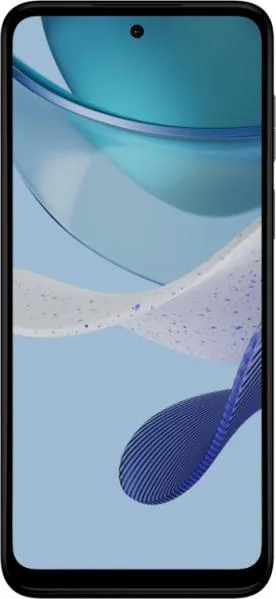
| Feature | Motorola Moto G (2023) | Xiaomi 14T | Practical Impact |
|---|---|---|---|
| Design | |||
| Dimensions (mm) | 164 x 75 x 8.4 | 160.5 x 75.1 x 7.8 | Xiaomi 14T is slightly smaller and thinner. |
| Weight (g) | 189 | 193 | Negligible weight difference in practical use. |
| Build Material | Unspecified | Unspecified | Build quality and durability cannot be compared without material information. |
| Display | |||
| Display Type | IPS LCD, 120Hz | AMOLED, 144Hz | Xiaomi 14T offers superior contrast, deeper blacks, and potentially better outdoor visibility with AMOLED technology. Its higher refresh rate may result in smoother animations but might minimally impact battery life. |
| Display Size | 6.5" | 6.67" | Xiaomi 14T has a slightly larger screen. |
| Resolution | 720 x 1600 | 1220 x 2712 | Xiaomi 14T boasts significantly sharper visuals due to much higher resolution. |
| PPI | 270 | 446 | Text and images will appear considerably clearer and more detailed on the Xiaomi 14T. |
| HDR | No HDR support listed | Dolby Vision, HDR10+ | Xiaomi 14T supports HDR content for a wider dynamic range and richer colors in compatible media. |
| Peak Brightness | Unspecified | 4000 nits (peak) | The Xiaomi 14T's significantly higher peak brightness ensures excellent readability in direct sunlight. Missing data prevents comparison with the Moto G. |
| Performance | |||
| Chipset | Snapdragon 480+ 5G (8 nm) | Dimensity 8300 Ultra (4 nm) | The Dimensity 8300 Ultra in the Xiaomi 14T is a much more powerful processor, resulting in significantly faster performance in demanding tasks and gaming. |
| CPU | Octa-core (2x2.2 GHz Kryo 460 & 6x1.8 GHz Kryo 460) | Octa-core (1x3.35 GHz Cortex-A715 & 3x3.20 GHz Cortex-A715 & 4x2.20 GHz Cortex-A510) | The Xiaomi 14T's CPU architecture and higher clock speeds will deliver noticeably better multitasking and app loading speeds. |
| RAM | 4GB | 12GB | The massive difference in RAM provides the Xiaomi 14T with a significant advantage in multitasking, allowing it to keep more apps open in the background without performance slowdown. |
| GPU | Adreno 619 | Mali G615-MC6 | Xiaomi 14T will likely offer significantly improved graphics performance for gaming and visually intensive applications, though a direct GPU comparison is difficult without benchmark data. |
| Camera | |||
| Main Camera | 48MP | 50MP (Sony IMX906) | Xiaomi 14T uses a larger sensor known for good low-light performance, suggesting potentially better image quality. |
| Additional Cameras | Macro, Selfie | Wide, Telephoto, Selfie | Xiaomi 14T offers greater versatility with wide-angle and telephoto lenses. |
| Video Recording | 1080p@30fps | Up to 4K@60fps with HDR, EIS | Xiaomi 14T offers higher resolution and frame rate video recording with stabilization and HDR. |
| Battery | |||
| Capacity | 5000 mAh | 5000 mAh | Similar battery capacity suggests comparable battery life, but actual usage will depend on other factors like display and processor efficiency. |
2. Key Differences Analysis
Xiaomi 14T Advantages:
- Significantly superior performance: Much faster processor, GPU, and more RAM for smooth multitasking and demanding applications.
- Higher quality display: AMOLED with higher resolution, refresh rate, HDR support, and peak brightness for a vastly improved visual experience.
- More versatile camera system: Includes wide-angle and telephoto lenses for broader shooting options. Higher resolution video recording capabilities.
- NFC for contactless payments.
Motorola Moto G (2023) Advantages:
- Potentially lower price: Based on "medium price" categorization, but actual price comparison is necessary.
3. User Profiles & Recommendations
Motorola Moto G (2023): Budget-conscious users who prioritize basic functionality: calling, texting, web browsing, and light social media use. Not recommended for demanding tasks or gaming.
Xiaomi 14T: Users who demand high performance for gaming, content creation, or heavy multitasking. Also suitable for users who prioritize a premium display and camera experience.
4. Decision Framework
Key Questions for Buyers:
- What is your budget? The Xiaomi 14T is expected to be significantly more expensive.
- What are your primary use cases? For basic tasks, the Moto G might suffice. Demanding tasks require the Xiaomi 14T.
- How important is display and camera quality? The Xiaomi 14T significantly outperforms the Moto G in these areas.
My Choice: Xiaomi 14T
While the price difference is likely significant, the Xiaomi 14T offers a substantial upgrade in nearly every aspect. The vastly improved performance, superior display, versatile camera system, and inclusion of NFC make it a much more compelling device for a wider range of users. The Motorola Moto G (2023) only makes sense for the most budget-conscious buyers who require only the most basic smartphone functionality and aren't concerned about future-proofing their device. The Xiaomi 14T is a much better long-term investment due to its superior hardware. A noticeably better user experience across the board makes the Xiaomi 14T the clear winner.
