
1. Specifications Comparison
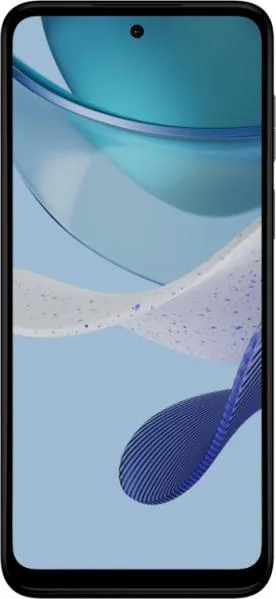
| Feature | Motorola Moto G (2023) | Xiaomi 14 | Practical Impact |
|---|---|---|---|
| Design | |||
| Dimensions (mm) | 164 x 75 x 8.4 | 152.8 x 71.5 x 8.2 | Xiaomi 14 is noticeably more compact and potentially easier to handle one-handed. |
| Weight (g) | 189 | 188 | Negligible weight difference. |
| Build Material | Not specified | Not specified | Cannot compare build quality and durability. |
| Display | |||
| Display Type | IPS LCD, 120Hz | LTPO OLED, 120Hz | Xiaomi 14's OLED offers deeper blacks, higher contrast, and potentially better power efficiency due to LTPO. |
| Display Size (inches) | 6.5 | 6.36 | Slight size difference, Moto G 2023 is marginally larger. |
| Resolution | 720 x 1600 | 1200 x 2670 | Xiaomi 14 has a significantly sharper and more detailed display (460 ppi vs 270 ppi). |
| Peak Brightness | Not specified | 3000 nits | Xiaomi 14 should offer superior outdoor visibility. |
| HDR | No | HDR10+, Dolby Vision | Xiaomi 14 supports HDR content for a wider range of colors and dynamic range in supported media. |
| Performance | |||
| Chipset | Snapdragon 480+ 5G | Snapdragon 8 Gen 3 | Xiaomi 14 boasts a vastly more powerful processor, enabling smoother multitasking, demanding gaming, and faster app loading. |
| CPU | Octa-core (2x2.2 GHz Kryo 460 & 6x1.8 GHz Kryo 460) | Octa-core (1x3.3 GHz Cortex-X4 & 7x Cortex-A720/A520) | Xiaomi 14's CPU architecture is significantly more powerful and efficient. |
| GPU | Adreno 619 | Adreno 750 | Xiaomi 14 provides a significantly better gaming and graphics rendering experience. |
| RAM | 4GB | 12GB | Xiaomi 14 offers much more RAM for seamless multitasking and keeping apps open in the background. |
| Camera | |||
| Main Camera | 48MP | 50MP (Omnivision OVX9000) | Xiaomi 14's main camera likely captures more detail and better low-light photos thanks to the larger sensor. Practical image quality differences will depend on processing. |
| Ultrawide | Not specified | 50MP (Samsung S5KJN1) | Xiaomi 14 offers an ultrawide lens for wider field-of-view shots, missing on the Moto G 2023. |
| Telephoto | No | 50MP (Samsung S5KJN1) | Xiaomi 14 includes a telephoto lens for optical zoom, lacking in the Moto G 2023. |
| Video Recording | 1080p@30fps | 8K@24fps | Xiaomi 14 provides significantly higher resolution video recording capabilities. |
| Battery | |||
| Capacity | 5000 mAh | 4610 mAh | Moto G 2023 has a larger battery capacity, potentially offering longer battery life. However, Xiaomi 14's more efficient display and processor could offset this difference. |
| Charging Speed | Not specified | Not specified | Cannot compare charging speeds. |
2. Key Differences Analysis
Motorola Moto G (2023) Advantages:
- Potentially Longer Battery Life: Larger battery capacity might translate to longer usage time.
- Lower Price: Expected to be significantly cheaper than the Xiaomi 14.
Xiaomi 14 Advantages:
- Superior Performance: Significantly faster processor, GPU, and more RAM.
- Higher Quality Display: Sharper, brighter OLED with HDR support.
- More Versatile Camera System: Includes ultrawide and telephoto lenses, 8K video recording.
- More Compact Design: Easier to handle and pocket.
- Faster Charging & Data Transfer: USB 3.2 support (compared to 2.0 on Moto G 2023).
- NFC: Enables contactless payments and other NFC functionalities.
Trade-offs:
- Xiaomi 14: Higher price for premium features. Battery life might be shorter despite a smaller battery due to the more demanding display and processor.
- Moto G 2023: Compromises on performance, display quality, and camera features for a lower price.
3. User Profiles & Recommendations
Motorola Moto G (2023): Budget-conscious users who prioritize basic functionality: calling, texting, web browsing, and light social media usage. Not recommended for gaming or demanding tasks.
Xiaomi 14: Users who demand top-tier performance, a high-quality display, and a versatile camera system. Ideal for power users, gamers, photographers, and videographers.
4. Decision Framework
Key Questions for Buyers:
- What is your budget? The Moto G 2023 is a budget option, while the Xiaomi 14 is a premium device.
- What are your primary smartphone usage patterns? Basic use vs. demanding tasks/gaming/photography.
- Which features are most important to you? Performance, display quality, camera, battery life.
Scenario-Based Recommendations:
- Limited Budget, Basic Usage: Moto G 2023
- Student Needing Reliable Performance: Consider the Moto G 2023 if budget is tight, otherwise the Xiaomi 14 for better longevity and performance for academic tasks.
- Enthusiast Gamer/Photographer: Xiaomi 14
- Professional needing top-tier performance and multitasking: Xiaomi 14
My Choice: Xiaomi 14
Reasons:
While the Moto G 2023 offers a lower price point and potentially longer battery life, the Xiaomi 14 provides a significant upgrade in almost every other aspect. The superior performance, stunning display, versatile camera system, and compact design outweigh the higher price and potentially slightly reduced battery life. As a smartphone analyst focused on long-term value and user experience, the Xiaomi 14's advanced features and future-proof specifications make it a more compelling choice for my needs. I prioritize a smooth user experience, high-quality media consumption, and the ability to handle demanding tasks, all of which the Xiaomi 14 excels at. The inclusion of NFC for contactless payments is also a valuable feature in today's world.
