1. Specifications Comparison
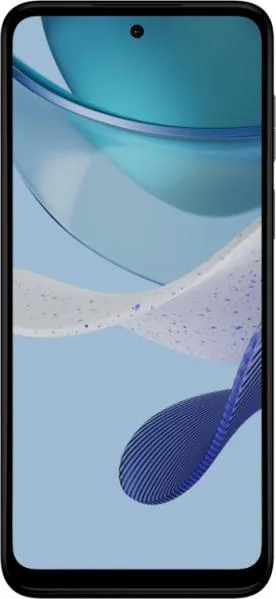
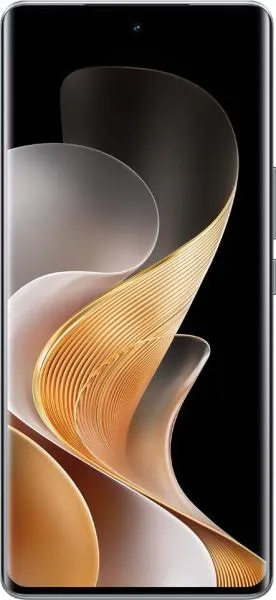
| Feature | Motorola Moto G (2023) | vivo V40 | Practical Impact |
|---|---|---|---|
| Design | |||
| Dimensions (mm) | 164 x 75 x 8.4 | 164.2 x 75 x 7.6 | Vivo V40 is slightly thinner. Negligible difference in overall size. |
| Weight (g) | 189 | 190 | Virtually identical weight. |
| Build Material | Not specified | Not specified | Cannot compare build quality and durability. |
| Display | |||
| Display Type | IPS LCD, 120Hz | AMOLED, HDR10+, 120Hz | Vivo V40 offers significantly better contrast, colors, and potentially outdoor visibility due to AMOLED and HDR10+. Both have smooth 120Hz refresh rates. |
| Display Size (inches) | 6.5 | 6.78 | Vivo V40 has a noticeably larger screen, better for media consumption. |
| Resolution | 720 x 1600 | 1260 x 2800 | Vivo V40 boasts much sharper visuals due to higher resolution. |
| PPI | 270 | 453 | Text and images will be significantly crisper on the Vivo V40. |
| Peak Brightness | Not specified | 4500 nits | Vivo V40 should offer superior visibility in direct sunlight. Moto G's peak brightness is unknown. |
| Performance | |||
| Chipset | Snapdragon 480+ 5G (8 nm) | Snapdragon 7 Gen 3 (4 nm) | Vivo V40 will offer significantly faster performance and better efficiency due to a much more powerful and modern chipset. |
| CPU | Octa-core (2x2.2 GHz Kryo 460 & 6x1.8 GHz Kryo 460) | Octa-core (1x2.63 GHz Cortex-A715 & 3x2.4 GHz Cortex-A715 & 4x1.8 GHz Cortex-A510) | Vivo V40 has a more powerful CPU architecture, leading to smoother multitasking and better handling of demanding apps. |
| GPU | Adreno 619 | Adreno 720 | Vivo V40 will provide a much better gaming experience and handle graphics-intensive tasks more efficiently. |
| RAM | 4GB | 12GB | Vivo V40's massive RAM advantage ensures smoother multitasking and less frequent app reloading. |
| Camera | |||
| Main Camera | 48MP | 50MP (Samsung GNJ) | Vivo V40 likely has better low-light performance and detail thanks to a larger sensor and potentially better processing. |
| Selfie Camera | 8MP | 50MP (Samsung S5KJN1) | Vivo V40 offers vastly superior selfie image quality. |
| Video Recording | 1080p@30fps | 4K@30fps with OIS, EIS | Vivo V40 allows for higher resolution video recording with stabilization, resulting in significantly better video quality. |
| Battery | |||
| Capacity | 5000 mAh | 5500 mAh | Vivo V40 has a slightly larger battery, but real-world battery life depends on optimization and usage. |
| Charging Speed | Not specified | Not specified | Cannot compare charging speeds. |
2. Key Differences Analysis
Motorola Moto G (2023) Advantages:
- Potentially Lower Price: Given its specs, it's likely more affordable.
vivo V40 Advantages:
- Significantly Superior Performance: The Snapdragon 7 Gen 3 and 12GB RAM offer a vastly smoother and more responsive user experience.
- Much Better Display: The AMOLED display with HDR10+ delivers vibrant colors, deep blacks, and excellent outdoor visibility.
- Higher Quality Cameras: Notably better selfie camera and 4K video recording with stabilization.
- Larger Battery: Potentially longer battery life.
3. User Profiles & Recommendations
Motorola Moto G (2023):
- Budget-conscious users: For basic tasks like calling, texting, browsing, and social media.
- Users who prioritize affordability over high-end features.
vivo V40:
- Power users: Demanding tasks, gaming, and heavy multitasking.
- Photography enthusiasts: High-quality photos and videos are a priority.
- Multimedia consumers: Large, vibrant display for movies and games.
4. Decision Framework
Key Questions for Buyers:
- What is your budget? The Moto G (2023) is likely much cheaper.
- What are your primary use cases? Basic tasks vs. demanding applications and multimedia consumption.
- How important are display quality and camera performance? Vivo V40 significantly outperforms the Moto G in these areas.
Scenario-Based Recommendations:
- Limited Budget, Basic Usage: Moto G (2023)
- Balanced Budget, Moderate Usage: Consider other mid-range options, potentially with better specs than the Moto G.
- Performance and Multimedia Focused: vivo V40
My Choice: vivo V40
While the pricing for the vivo V40 is significantly higher (based on the limited price information provided), the substantial performance upgrade, superior display, and enhanced camera capabilities make it the clear winner. The Snapdragon 7 Gen 3, coupled with 12GB of RAM, ensures a future-proof device capable of handling demanding tasks and providing a smooth user experience. The AMOLED display is a major differentiator, offering a vastly improved visual experience. Even if the Moto G 2023 were significantly cheaper, the compromises in performance and display would be too significant for me personally. I prioritize a fluid and enjoyable user experience, which the vivo V40 is better equipped to deliver.
