1. Specifications Comparison
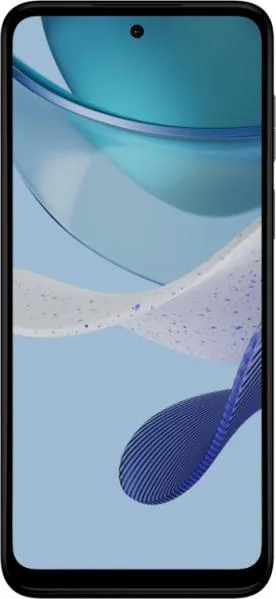
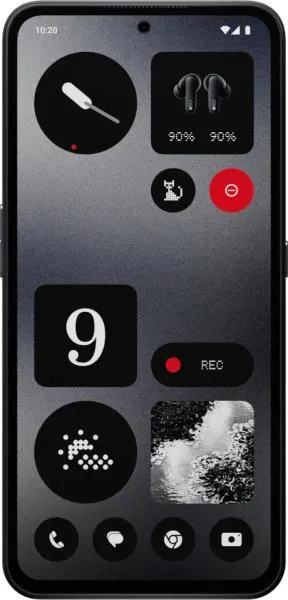
| Feature | Motorola Moto G (2023) | Nothing CMF Phone 1 | Practical Impact |
|---|---|---|---|
| Design | |||
| Dimensions (mm) | 164 x 75 x 8.4 | 164 x 77 x 8.2 | CMF is slightly wider and heavier. Negligible difference in daily use. |
| Weight (g) | 189 | 197 | CMF is slightly heavier, but the difference is minimal. |
| Build | Plastic | Plastic | Both offer similar durability. No information on frame material for both. |
| Display | |||
| Display Type | IPS LCD, 120Hz | AMOLED, 120Hz | CMF offers deeper blacks, more vibrant colors, and potentially better power efficiency due to AMOLED technology. |
| Display Size (inches) | 6.5 | 6.67 | CMF offers a slightly larger display for more immersive content consumption. |
| Resolution | 720 x 1600 | 1080 x 2400 | CMF has a significantly sharper display (395 ppi vs 270 ppi), resulting in clearer text and images. |
| Peak Brightness | Not specified | 2000 nits | CMF's much higher peak brightness ensures better visibility in direct sunlight. Missing Moto G brightness limits comparison. |
| Performance | |||
| Chipset | Snapdragon 480+ 5G (8 nm) | MediaTek Dimensity 7300 (4 nm) | CMF's Dimensity 7300 offers significantly better performance and efficiency due to a more advanced manufacturing process and architecture. |
| CPU | Octa-core (2x2.2 GHz Kryo 460 & 6x1.8 GHz Kryo 460) | Octa-core (4x2.5 GHz Cortex-A78 & 4x2.0 GHz Cortex-A55) | CMF has a more powerful CPU, leading to smoother multitasking and faster app loading. |
| RAM | 4GB | 8GB | CMF's larger RAM allows for more apps to run in the background without performance slowdowns. |
| Camera | |||
| Main Camera | 48MP, f/1.7 | 50MP, f/1.79, Sony IMX882 | CMF boasts a slightly higher resolution sensor with a known model (Sony IMX882), potentially offering better image quality. More details on sensor size and features for CMF indicate a likely superior camera system. |
| Video Recording | 1080p@30fps | 4K@30fps, 1080p@60fps | CMF offers significantly better video recording capabilities with higher resolution and frame rate options. |
| Battery | |||
| Capacity | 5000 mAh | 5000 mAh | Similar battery capacities suggest comparable battery life, but real-world usage will depend on software optimization and display efficiency. |
2. Key Differences Analysis
Motorola Moto G (2023) Advantages:
- Potentially Lower Price: While exact pricing isn't provided, the Moto G series is generally more budget-friendly.
Nothing CMF Phone 1 Advantages:
- Significantly Better Performance: The Dimensity 7300, coupled with 8GB of RAM, delivers a much smoother and more responsive user experience.
- Superior Display: The AMOLED display with higher resolution and brightness provides a more vibrant and enjoyable viewing experience.
- Enhanced Camera: The 50MP sensor with 4K video recording offers more versatility and potentially better image/video quality.
- More Recent Software: Launching with Android 14 gives the CMF a longer software support lifespan.
3. User Profiles & Recommendations
Motorola Moto G (2023): Ideal for budget-conscious users who prioritize basic smartphone functionality (calling, texting, web browsing) and light app usage.
Nothing CMF Phone 1: Suitable for users who demand a more performant and feature-rich device for gaming, media consumption, multitasking, and mobile photography.
4. Decision Framework
Key Questions for Buyers:
- What is your budget? The Moto G is likely more affordable.
- What are your primary smartphone usage patterns? For basic tasks, the Moto G might suffice. For demanding tasks, the CMF is better.
- How important is display quality and camera performance? The CMF significantly outperforms the Moto G in these areas.
My Choice: Nothing CMF Phone 1
While pricing might be a factor, the Nothing CMF Phone 1 offers a substantial upgrade in performance, display, and camera capabilities for a likely moderate price increase. The Dimensity 7300 and 8GB RAM ensure a smooth user experience, while the AMOLED display and 50MP camera provide superior visuals. The Moto G (2023) might be suitable for extremely budget-conscious buyers with basic needs, but the CMF offers far better value for most users seeking a modern smartphone experience. The longer software update lifespan of the CMF is also a considerable advantage.
