1. Specifications Comparison
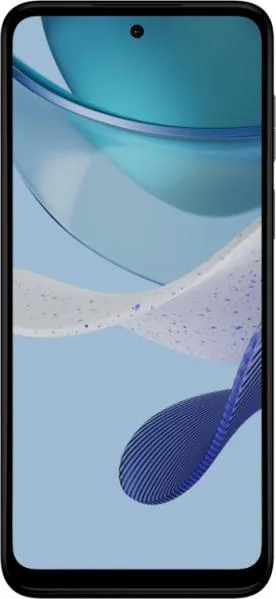
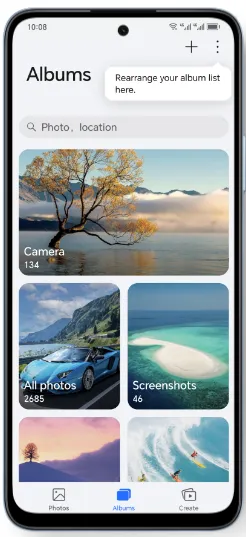
| Feature | Motorola Moto G (2023) | Honor X7b | Practical Impact |
|---|---|---|---|
| Design | |||
| Dimensions (mm) | 164 x 75 x 8.4 | 166.7 x 76.5 x 8.2 | Honor X7b slightly larger |
| Weight (g) | 189 | 199 | Negligible weight difference |
| Build Materials | Not specified | Not specified | Cannot compare build quality |
| Display | |||
| Size (inches) | 6.5 | 6.8 | Honor X7b offers a larger viewing area |
| Resolution | 720 x 1600 | 1080 x 2412 | Honor X7b significantly sharper and more detailed |
| PPI | 270 | 389 | Honor X7b noticeably crisper text and images |
| Refresh Rate (Hz) | 120 | 90 | Moto G smoother scrolling, but Honor X7b's higher resolution more impactful |
| Display Type | IPS LCD | IPS LCD | Similar color accuracy and viewing angles expected |
| Performance | |||
| Chipset | Snapdragon 480+ 5G | Snapdragon 680 4G | Snapdragon 680 generally performs better in CPU tasks, but lacks 5G |
| CPU | Octa-core (2x2.2 GHz & 6x1.8 GHz) | Octa-core (4x2.4 GHz & 4x1.9 GHz) | Honor X7b likely faster in demanding applications |
| GPU | Adreno 619 | Adreno 610 | Similar GPU performance, minor differences in gaming |
| RAM (GB) | 4 | 6/8 | Honor X7b offers better multitasking and app loading speeds with more RAM |
| Camera | |||
| Main Camera (MP) | 48 | 108 | Honor X7b boasts higher resolution, potentially capturing more detail |
| Front Camera (MP) | 8 | 8 | Similar selfie camera resolution |
| Camera Features | Dual Camera | Quad Camera (Wide, Depth, Macro) | Honor X7b offers more versatile photography options |
| Video Recording | 1080p@30fps | 1080p@30fps | Identical video recording capabilities |
| Battery | |||
| Capacity (mAh) | 5000 | 5330 | Honor X7b has slightly larger battery capacity |
| Charging Speed | Not specified | Not specified | Cannot compare charging speeds |
| Other | |||
| OS | Android 13 | Android 13 (upgradable to 14) | Honor X7b will receive longer software updates |
| NFC | No | Yes | Honor X7b supports contactless payments and data transfer |
| 5G | Yes | No | Moto G offers faster cellular data speeds where available |
2. Key Differences Analysis
Motorola Moto G (2023) Advantages:
- 5G Connectivity: Enables faster download and streaming speeds in areas with 5G coverage.
- 120Hz Refresh Rate: Provides smoother scrolling and animations.
Honor X7b Advantages:
- Higher Resolution Display: Significantly sharper and more detailed visuals.
- Larger Display: More immersive experience for media consumption and gaming.
- More RAM: Better multitasking performance and smoother app switching.
- More Versatile Camera System: Wider range of photography options with wide-angle, depth, and macro lenses.
- Larger Battery: Potentially longer battery life.
- NFC: Supports contactless payments and other NFC functionalities.
- Longer Software Support: Expected to receive Android 14 update.
Trade-offs:
- Moto G sacrifices display quality and camera versatility for 5G connectivity and a higher refresh rate.
- Honor X7b prioritizes display quality, performance, and camera features over 5G.
3. User Profiles & Recommendations
Motorola Moto G (2023):
- Ideal User: Budget-conscious users who prioritize 5G connectivity and smooth scrolling.
- Use Cases: Web browsing, social media, casual gaming, video streaming in areas with 5G coverage.
Honor X7b:
- Ideal User: Users who value a high-quality display, versatile camera, and overall performance.
- Use Cases: Mobile photography, media consumption, gaming, multitasking, mobile payments.
4. Decision Framework
Key Questions for Buyers:
- Is 5G connectivity a priority? If yes, the Moto G is the only option.
- How important is display quality? The Honor X7b offers a significantly better display experience.
- What is your budget? Consider the price difference and features offered by each phone within your budget.
Scenario-Based Recommendations:
- Limited Budget, 5G Needed: Moto G (2023)
- Prioritize Display and Camera: Honor X7b
- Heavy Multitasker: Honor X7b (due to higher RAM)
My Choice: Honor X7b
While 5G is appealing, the Honor X7b's superior display, larger RAM, versatile camera system, NFC functionality, and expected longer software support outweigh the benefits of 5G and the 120Hz refresh rate for me. The significantly sharper resolution would provide a noticeably better daily usage experience. The lack of 5G is a trade-off, but 4G speeds are sufficient for most tasks, and 5G availability is still limited in many areas. The Honor X7b offers better value for its price in terms of overall features and user experience.
