1. Specifications Comparison
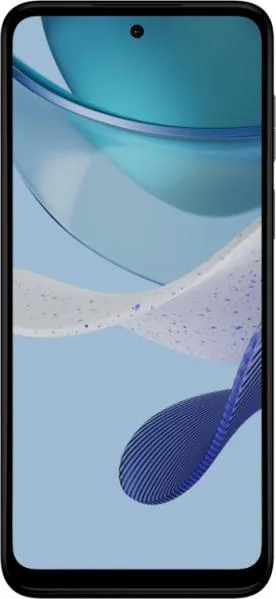
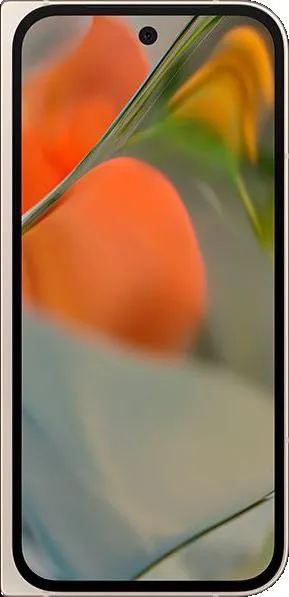
| Feature | Motorola Moto G (2023) | Google Pixel 9 Pro Fold | Practical Impact |
|---|---|---|---|
| Design | |||
| Dimensions (mm) | 164 x 75 x 8.4 | 155.2 x 150.2 x 5.1 | Pixel is significantly more compact when folded, but wider when unfolded. Moto G is thicker. |
| Weight (g) | 189 | 257 | Pixel is noticeably heavier due to the folding mechanism and larger display. |
| Foldable | No | Yes | Pixel's foldable design offers greater portability and a larger screen when needed. |
| Build Material | Not specified | Not specified | Cannot compare build quality and durability without this information. |
| Display | |||
| Display Type | IPS LCD | Foldable LTPO OLED | Pixel offers superior contrast, deeper blacks, and potentially better power efficiency due to LTPO. |
| Display Size (inches) | 6.5 | 8 | Pixel provides a significantly larger screen area for multitasking and media consumption. |
| Resolution (px) | 720 x 1600 | 2076 x 2152 | Pixel boasts much sharper visuals due to higher resolution. |
| Refresh Rate (Hz) | 120 | 120 | Both offer smooth scrolling and animations. |
| PPI | 270 | 373 | Pixel's display is significantly sharper and more detailed. |
| Performance | |||
| Chipset | Snapdragon 480+ 5G | Google Tensor G4 | Tensor G4 offers significantly faster processing, enabling smoother multitasking, faster app loading, and better gaming performance. |
| CPU | Octa-core (2x2.2 GHz Kryo 460 & 6x1.8 GHz Kryo 460) | Octa-core (1x3.1 GHz Cortex-X4 & 3x2.6 GHz Cortex-A720 & 4x1.92 GHz Cortex-A520) | Tensor G4's more modern architecture provides a significant performance advantage. |
| GPU | Adreno 619 | Mali-G715 MC7 | Pixel's GPU is considerably more powerful, providing a major boost in gaming and graphics-intensive tasks. |
| RAM (GB) | 4 | 16 | Pixel has substantially more RAM, allowing for seamless multitasking and keeping more apps open in the background. |
| Camera | |||
| Rear Camera (MP) | 48MP Main, 2MP Macro | 48MP Main, 10.5MP Wide, 10.8MP Telephoto | Pixel offers greater versatility with its triple-camera system, including wide-angle and telephoto lenses. |
| Video Recording | 1080p@30fps | Up to 4K@60fps with HDR, OIS, EIS | Pixel supports significantly higher resolution and frame rate video recording with advanced stabilization features. |
| Battery | |||
| Capacity (mAh) | 5000 | 4650 | Moto G has a slightly larger battery capacity, but real-world battery life depends on usage and optimization. Pixel's LTPO display could potentially offset the smaller battery. |
2. Key Differences Analysis
Motorola Moto G (2023) Advantages:
- Lower Price: Significantly more affordable.
- Potentially Longer Battery Life: Larger battery capacity, but real-world results may vary.
Google Pixel 9 Pro Fold Advantages:
- Significantly More Powerful: Superior processor, GPU, and ample RAM for smooth performance.
- Foldable Design: Offers flexibility and portability.
- Superior Display: Larger, sharper, and more vibrant OLED display.
- More Versatile Camera System: Triple camera setup with wide and telephoto lenses.
- Higher Quality Video Recording: Supports 4K resolution and advanced stabilization.
3. User Profiles & Recommendations
Motorola Moto G (2023):
- Budget-conscious users: Prioritize affordability over top-tier specs.
- Basic smartphone users: Primarily use phone for calling, texting, and light web browsing.
Google Pixel 9 Pro Fold:
- Power users: Demand top-of-the-line performance and multitasking capabilities.
- Content creators: Need a high-quality camera and large display for photo and video editing.
- Enthusiasts: Value cutting-edge technology and the foldable form factor.
4. Decision Framework
Key Questions for Buyers:
- What is your budget? The Pixel is significantly more expensive.
- What are your primary smartphone uses? Basic use vs. demanding tasks.
- How important is portability and a large screen? The foldable Pixel excels here.
My Choice: Google Pixel 9 Pro Fold
While the Motorola Moto G (2023) offers excellent value for its price, the Google Pixel 9 Pro Fold is my choice. The significantly superior performance, versatile camera system, stunning foldable display, and future-proof features justify the higher price. The Pixel's powerful hardware ensures a smooth user experience for years to come, and the innovative form factor offers a glimpse into the future of smartphones. Although the battery capacity is slightly smaller, the LTPO display technology could potentially mitigate this difference in real-world usage. The added benefit of software updates for potentially 5 years (Android 14 to 21) makes it a compelling long-term investment. As a tech enthusiast who values performance and innovation, the Pixel 9 Pro Fold is the clear winner for me.
