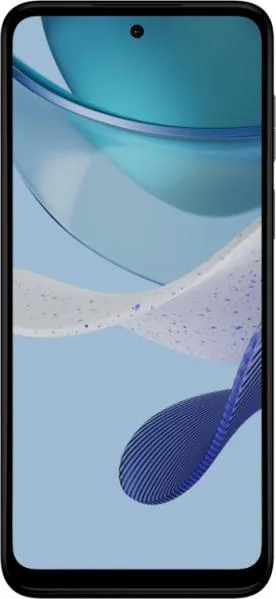
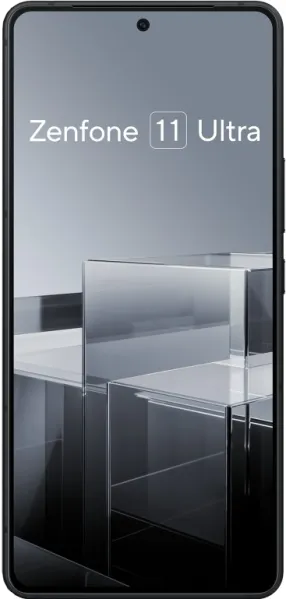
1. Specifications Comparison
| Feature | Motorola Moto G (2023) | Asus Zenfone 11 Ultra | Practical Impact |
|---|---|---|---|
| Design | |||
| Dimensions (mm) | 164 x 75 x 8.4 | 163.8 x 76.8 x 8.9 | Zenfone 11 Ultra slightly wider but thinner overall. Negligible difference in practical usage. |
| Weight (g) | 189 | 224 | Moto G noticeably lighter, more comfortable for extended use. Zenfone's weight suggests premium materials and larger battery. |
| Build Materials | Not specified | Not specified | Cannot compare build quality and durability. |
| Display | |||
| Display Type | IPS LCD, 120Hz | LTPO AMOLED, 144Hz | Zenfone offers superior contrast, deeper blacks, and potentially better power efficiency due to LTPO. Higher refresh rate provides smoother animations, but the difference between 120Hz and 144Hz is minimal. Zenfone also supports HDR10 for better video quality and higher peak brightness for improved outdoor visibility. |
| Display Size (inches) | 6.5 | 6.78 | Zenfone has a larger display, better for media consumption and multitasking. |
| Resolution | 720 x 1600 | 1080 x 2400 | Zenfone boasts significantly sharper visuals due to higher resolution. |
| PPI | 270 | 388 | Zenfone's higher pixel density results in sharper text and images. |
| Performance | |||
| Chipset | Snapdragon 480+ 5G | Snapdragon 8 Gen 3 | Zenfone utilizes a flagship-level processor, ensuring vastly superior performance in demanding tasks, gaming, and multitasking. |
| CPU | Octa-core (2x2.2 GHz Kryo 460 & 6x1.8 GHz Kryo 460) | Octa-core (1x3.3 GHz Cortex-X4 & 3x3.2 GHz Cortex-A720 & 2x3.0 GHz Cortex-A720 & 2x2.3 GHz Cortex-A520) | Zenfone has a significantly more powerful CPU architecture, leading to faster processing speeds. |
| GPU | Adreno 619 | Adreno 750 | Zenfone's GPU provides a substantial leap in graphics performance, enabling high-quality gaming and smoother graphics rendering. |
| RAM | 4GB | 12GB/16GB | Zenfone offers significantly more RAM, enabling smoother multitasking and preventing app closures in the background. |
| Camera | |||
| Rear Camera | 48MP Main, 2MP Macro | 50MP Main (Sony IMX890), 13MP Wide, 32MP Telephoto | Zenfone offers a more versatile camera system with a dedicated wide-angle and telephoto lens, enabling optical zoom and broader perspectives. The Sony IMX890 sensor in the Zenfone generally indicates higher image quality. |
| Video Recording | 1080p@30fps | Up to 8K@24fps | Zenfone offers significantly higher video resolution and frame rate options. |
| Battery | |||
| Capacity | 5000 mAh | 5500 mAh | Zenfone has a slightly larger battery, but real-world battery life depends on other factors like display and processor efficiency. |
2. Key Differences Analysis
Moto G (2023) Advantages:
- Lighter and potentially more affordable: Easier to handle and potentially less expensive.
Zenfone 11 Ultra Advantages:
- Significantly higher performance: Much faster processor, GPU, and more RAM. Handles demanding tasks and gaming with ease.
- Superior display: AMOLED with higher resolution, refresh rate, HDR10, and peak brightness. Provides a more vibrant and immersive visual experience.
- More versatile camera system: Includes wide-angle and telephoto lenses, higher resolution sensor, and advanced video recording capabilities.
- Larger battery: Potentially longer battery life.
- More advanced connectivity: WiFi 7, Bluetooth 5.4, NFC.
3. User Profiles & Recommendations
Moto G (2023): Budget-conscious users prioritizing basic functionality (calling, texting, web browsing, social media) and a lightweight phone.
Zenfone 11 Ultra: Users who demand high performance for gaming, multitasking, media consumption, and photography/videography. Suitable for power users and content creators.
4. Decision Framework
Key Questions:
- What is your budget? The Moto G is a budget-friendly option, while the Zenfone 11 Ultra is a premium device.
- What are your primary use cases? Basic tasks vs. demanding applications and media consumption.
- How important is display and camera quality? The Zenfone significantly outperforms the Moto G in these areas.
Scenario-Based Recommendations:
- Limited Budget, Basic Usage: Moto G (2023)
- High Performance, Premium Features: Zenfone 11 Ultra
My Choice: Asus Zenfone 11 Ultra
While the Moto G (2023) offers a lightweight and budget-friendly option, the Zenfone 11 Ultra is the clear winner for me. Its superior performance, stunning display, versatile camera system, and future-proof connectivity make it a compelling choice. The price difference is justified by the significant jump in quality and capabilities. I prioritize a smooth user experience, high-quality visuals, and the ability to handle demanding tasks, all of which the Zenfone 11 Ultra excels at. The inclusion of NFC for mobile payments and other functionalities further solidifies its position as the better overall device.
