1. Specifications Comparison
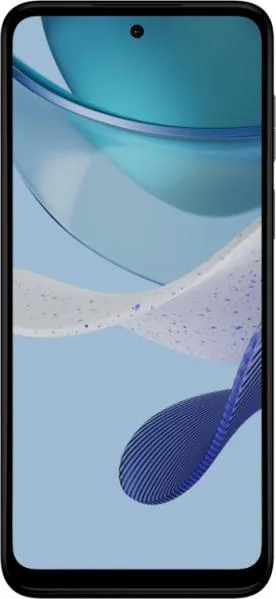
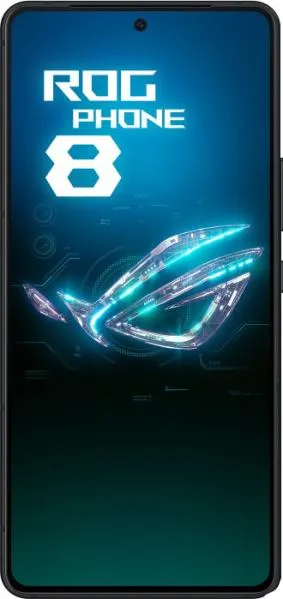
| Feature | Motorola Moto G (2023) | Asus ROG Phone 8 | Practical Impact |
|---|---|---|---|
| Design | |||
| Dimensions (mm) | 164 x 75 x 8.4 | 163.8 x 76.8 x 8.9 | ROG Phone 8 slightly wider and thicker. Negligible difference in everyday use. |
| Weight (g) | 189 | 225 | ROG Phone 8 noticeably heavier (36g). Can be tiring for extended use. |
| Build | Unspecified | Unspecified | Build quality impact on durability and premium feel unknown. |
| Display | |||
| Display Type | IPS LCD, 120Hz | LTPO AMOLED, 1B colors, 165Hz, HDR10+, 2500 nits (peak) | ROG Phone 8 offers significantly better display quality: richer colors, deeper blacks, higher brightness, smoother scrolling, and HDR support for superior multimedia consumption. |
| Size (inches) | 6.5 | 6.78 | ROG Phone 8 has a larger display, providing more immersive viewing experience. |
| Resolution | 720 x 1600 | 1080 x 2440 | ROG Phone 8 has a sharper display with significantly higher pixel density, resulting in clearer text and images. |
| Refresh Rate (Hz) | 120 | 165 | ROG Phone 8 offers slightly smoother animations and transitions, especially noticeable in gaming. |
| Performance | |||
| Chipset | Snapdragon 480+ 5G | Snapdragon 8 Gen 3 | ROG Phone 8 boasts a vastly more powerful processor, enabling significantly faster performance in demanding tasks like gaming and multitasking. |
| CPU | Octa-core (2x2.2 GHz Kryo 460 & 6x1.8 GHz Kryo 460) | Octa-core (1x3.3 GHz Cortex-X4 & 7x other cores) | ROG Phone 8's CPU architecture offers superior performance and efficiency. |
| GPU | Adreno 619 | Adreno 750 | ROG Phone 8's GPU provides drastically improved graphics performance, crucial for high-end gaming and graphic-intensive applications. |
| RAM | 4GB | 16GB | ROG Phone 8 has much more RAM, enabling seamless multitasking and preventing app closures in the background. |
| Camera | |||
| Main Camera | 48MP | 50MP (Sony IMX890) | ROG Phone 8 likely has better image quality due to a larger sensor and advanced features. Specific details on Moto G (2023) sensor are lacking. |
| Video Recording | 1080p@30fps | Up to 8K@24fps | ROG Phone 8 offers superior video recording capabilities, including higher resolution and frame rates. |
| Battery | |||
| Capacity (mAh) | 5000 | 5500 | ROG Phone 8 has a slightly larger battery, potentially offering longer battery life. However, its powerful hardware might consume more power. |
2. Key Differences Analysis
Motorola Moto G (2023) Advantages:
- Price: Likely significantly cheaper given the "medium price" range and older processor.
- Lighter weight: More comfortable for one-handed use and extended periods.
Asus ROG Phone 8 Advantages:
- Significantly superior performance: Handles demanding tasks and gaming with ease.
- Much better display: Superior color accuracy, brightness, and refresh rate.
- More versatile camera system: Higher resolution, more features, and advanced video recording capabilities.
- More future-proof: Newer OS, more RAM, and a top-tier processor will ensure longer software support and performance longevity.
3. User Profiles & Recommendations
Motorola Moto G (2023): Budget-conscious users prioritizing basic communication, web browsing, and light media consumption.
Asus ROG Phone 8: Gamers, power users, and content creators who demand top-tier performance, a stunning display, and advanced camera features.
4. Decision Framework
Key Questions for Buyers:
- What is your budget? The Moto G (2023) is likely a fraction of the ROG Phone 8's price.
- What are your primary use cases? Basic tasks vs. demanding gaming/content creation.
- How important is display and camera quality? The ROG Phone 8 excels in both areas.
My Choice: Asus ROG Phone 8
While the Motorola Moto G (2023) might be a good budget option, the Asus ROG Phone 8 is the clear winner for me. The significantly superior performance, stunning display, and advanced camera capabilities justify the higher price. Future-proofing is also a major factor, with the ROG Phone 8 boasting the latest hardware and software, guaranteeing a longer lifespan of optimal performance. I prioritize a smooth and enjoyable user experience, even for demanding tasks, and the ROG Phone 8 delivers that without compromise. While heavier, the benefits outweigh this single drawback for my personal needs.
