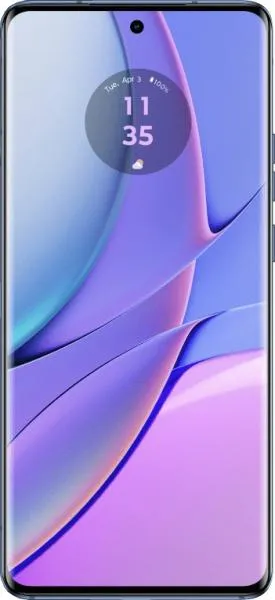
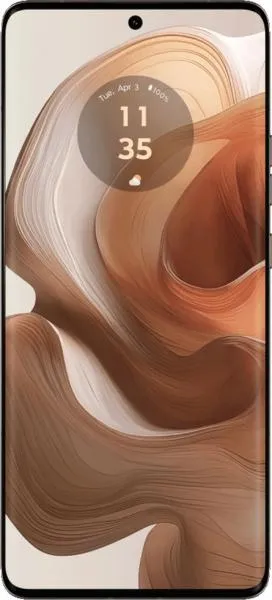
1. Specifications Comparison
| Feature | Motorola Edge 40 | Motorola Edge 50 Ultra | Practical Impact |
|---|---|---|---|
| Design | |||
| Dimensions (mm) | 158.4 x 72 x 7.6 | 161.1 x 72.4 x 8.6 | Edge 40 is noticeably smaller and thinner, making it more pocketable and easier to handle one-handed. |
| Weight (g) | 167 | 197 | Edge 40 is significantly lighter, reducing hand fatigue during extended use. |
| Display | |||
| Size (inches) | 6.55 | 6.7 | Edge 50 Ultra offers a slightly larger screen for more immersive media consumption. |
| Resolution | 1080 x 2400 | 1220 x 2712 | Edge 50 Ultra has a sharper display with higher pixel density (446 ppi vs 402 ppi), resulting in crisper text and images. |
| Type | P-OLED, 144Hz | P-OLED, 144Hz, 1B colors | Both offer smooth scrolling and animations with 144Hz refresh rate. Edge 50 Ultra's 1B colors provide a wider color gamut for more accurate and vibrant visuals. |
| Peak Brightness | 1200 nits | 2500 nits | Edge 50 Ultra's significantly higher peak brightness ensures better visibility in direct sunlight. |
| Performance | |||
| Chipset | Mediatek Dimensity 8020 (6 nm) | Qualcomm Snapdragon 8s Gen 3 (4 nm) | Edge 50 Ultra boasts a more powerful and efficient processor, leading to smoother performance in demanding tasks and potentially better battery life. |
| CPU | Octa-core (4x2.6 GHz Cortex-A78 & 4x2.0 GHz Cortex-A55) | Octa-core (1x3.0 GHz Cortex-X4 & 4x2.8 GHz Cortex-A720 & 3x2.0 GHz Cortex-A520) | Edge 50 Ultra's CPU architecture is newer and more powerful, especially for single-core performance. |
| RAM | 8GB | 12/16GB | Edge 50 Ultra offers more RAM, enabling better multitasking and smoother performance with numerous apps open. |
| Camera | |||
| Main Camera | 50MP, f/1.4 | 50MP, f/1.6 | While both have 50MP main sensors, Edge 50 Ultra's larger sensor size (1/1.3") could potentially capture more light and detail, especially in low-light conditions. Edge 40 has a wider aperture potentially leading to better background blur (bokeh). |
| Ultrawide | 13MP, f/2.2 | 50MP, f/2.0 | Edge 50 Ultra has a significantly higher resolution ultrawide camera, capturing more detailed and versatile shots. |
| Telephoto | None | 64MP, f/2.4, 3x Optical Zoom | Edge 50 Ultra offers optical zoom for capturing distant subjects without quality loss, a feature absent in Edge 40. |
| Battery | |||
| Capacity | 4400 mAh | 4500 mAh | Edge 50 Ultra has a slightly larger battery capacity, but real-world battery life depends on various factors including software optimization and usage patterns. |
2. Key Differences Analysis
Motorola Edge 40 Advantages:
- Smaller and Lighter: More comfortable for one-handed use and portability.
- Lower Price: Offers a more budget-friendly option. (Assuming similar storage configurations, given the limited price information provided).
Motorola Edge 50 Ultra Advantages:
- Superior Performance: More powerful processor and ample RAM for demanding tasks and multitasking.
- Enhanced Display: Sharper, brighter, and with wider color gamut.
- More Versatile Camera System: Higher resolution ultrawide, dedicated telephoto lens with optical zoom.
- Newer Software: Launches with a newer Android version and longer software support commitment.
3. User Profiles & Recommendations
Motorola Edge 40: Users prioritizing a compact, lightweight phone with good performance for everyday tasks, web browsing, and social media. Budget-conscious buyers who don't need the most advanced camera features.
Motorola Edge 50 Ultra: Users seeking top-tier performance, a premium display, and a versatile camera system for photography enthusiasts. Those who value future-proofing with longer software updates. Power users and mobile gamers.
4. Decision Framework
Key Questions for Buyers:
- What is your budget? The Edge 40 likely offers better value if price is a major concern.
- What are your primary use cases? For demanding tasks and mobile gaming, the Edge 50 Ultra is superior. For everyday use, the Edge 40 is sufficient.
- How important are camera features? The Edge 50 Ultra is the clear winner for photography enthusiasts.
My Choice: Motorola Edge 50 Ultra
While the Edge 40 is a compelling option for its size and price, the Edge 50 Ultra offers a significant upgrade in key areas that matter most to me: performance, display, and camera. The Snapdragon 8s Gen 3, coupled with ample RAM, ensures smooth performance for years to come. The brighter and sharper display with a wider color gamut provides a more enjoyable viewing experience. Finally, the versatile camera system, including a high-resolution ultrawide and telephoto lens, caters to my photography needs. While the larger size and weight are trade-offs, the overall performance and feature set of the Edge 50 Ultra make it the better choice for my usage. The longer software support commitment also ensures the phone remains relevant for a longer period.
