1. Specifications Comparison
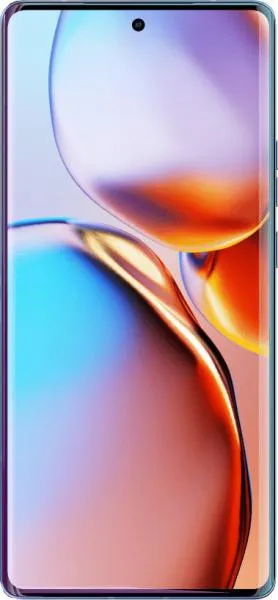
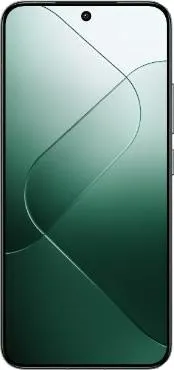
| Feature | Motorola Edge 40 Pro | Xiaomi 14 | Practical Impact |
|---|---|---|---|
| Design | |||
| Dimensions (mm) | 161.2 x 74 x 8.6 | 152.8 x 71.5 x 8.2 | Xiaomi 14 is noticeably smaller and slightly thinner, making it potentially more pocketable and comfortable for one-handed use. |
| Weight (g) | 199 | 188 | The Xiaomi 14 is lighter, reducing hand fatigue during extended use. |
| Display | |||
| Size (inches) | 6.67 | 6.36 | The Motorola offers a larger screen for more immersive media consumption, while the Xiaomi's smaller size benefits one-handed usability. |
| Resolution (px) | 1080 x 2400 | 1200 x 2670 | Despite the smaller size, the Xiaomi 14 boasts a sharper display with higher pixel density (460 ppi vs 394 ppi), resulting in crisper text and images. |
| Refresh Rate (Hz) | 165 | 120 | Motorola offers smoother scrolling and animations with its higher refresh rate, especially noticeable in games and fast-paced content. |
| Display Type | OLED | LTPO OLED | Xiaomi's LTPO OLED allows for dynamic refresh rate adjustment, potentially saving battery life while maintaining smooth visuals when needed. |
| Peak Brightness (nits) | 1300 | 3000 | Xiaomi 14's significantly higher peak brightness ensures exceptional outdoor visibility even in direct sunlight. |
| Performance | |||
| Chipset | Snapdragon 8 Gen 2 | Snapdragon 8 Gen 3 | The Xiaomi 14 features a newer generation chipset, likely resulting in faster processing speeds, improved graphics performance, and better power efficiency. |
| CPU | Octa-core (up to 3.2 GHz) | Octa-core (up to 3.3 GHz) | While both have powerful CPUs, the Xiaomi 14's newer Cortex-X4 core architecture and slightly higher clock speed should provide a performance edge in demanding tasks. |
| GPU | Adreno 740 | Adreno 750 | Xiaomi 14's newer GPU architecture translates to better gaming performance and smoother handling of graphically intensive applications. |
| RAM (GB) | 12 | 12 | Both phones offer ample RAM for multitasking and smooth performance. |
| Camera | |||
| Main Camera (MP) | 50 | 50 | Both have high-resolution main sensors. Further analysis requires comparing sensor size, aperture, and software processing, which are crucial for image quality. The Xiaomi boasts a slightly larger main sensor (1/1.31" vs 1/1.55") potentially capturing more light. |
| Ultrawide (MP) | 50 | 50 | Similar megapixel count, but practical differences depend on lens quality and field of view. The Xiaomi offers a slightly wider field of view at 115° vs the Motorola's 114°. |
| Telephoto (MP) | 12 | 50 | Xiaomi 14 features a significantly higher resolution telephoto lens, potentially enabling better zoom capabilities and detail retention. |
| DXOMARK Score | 130 | 138 | The Xiaomi 14 achieves a higher overall DXOMARK score, suggesting superior overall camera performance. |
| Battery | |||
| Capacity (mAh) | 4600 | 4610 | Negligible difference in battery capacity. Real-world battery life depends on software optimization and usage patterns. |
2. Key Differences Analysis
Motorola Edge 40 Pro Advantages:
- Higher Refresh Rate Display: Smoother visuals for gaming and scrolling.
- Larger Display: More immersive experience for media consumption.
Xiaomi 14 Advantages:
- More Powerful Processor & GPU: Faster performance for demanding tasks and gaming.
- Sharper Display: Crisper text and images due to higher pixel density.
- Brighter Display: Superior outdoor visibility.
- Better Camera System (based on DXOMARK and specs): Improved image quality and zoom capabilities.
- Smaller and Lighter: Enhanced portability and one-handed usability.
- LTPO Display: Potential for better battery efficiency.
3. User Profiles & Recommendations
Motorola Edge 40 Pro: Users who prioritize a large, smooth display for media consumption and gaming, and are less concerned with the latest processing power or camera technology. Good value for its price range if display smoothness is a primary concern.
Xiaomi 14: Users seeking the best overall performance, camera quality, and a compact form factor. Ideal for power users, photographers, and those who value a premium experience.
4. Decision Framework
Key Questions for Buyers:
- What screen size do you prefer? Larger for media consumption or smaller for one-handed use?
- Is top-tier performance and camera quality a priority? Or is a smooth display sufficient?
- What is your budget? The Xiaomi 14 is likely more expensive but offers a more comprehensive upgrade.
Scenario-Based Recommendations:
- Heavy gamer: Xiaomi 14 for its superior performance and sharper display.
- Photography enthusiast: Xiaomi 14 for its advanced camera system.
- Casual user on a budget: Motorola Edge 40 Pro offers a good balance of features at a potentially lower price.
My Choice: Xiaomi 14
While the Motorola Edge 40 Pro offers a compelling large display with a high refresh rate, the Xiaomi 14 presents a more well-rounded package. The newer and more powerful Snapdragon 8 Gen 3, combined with the brighter and sharper LTPO display, superior camera system, and more compact design, make it a more compelling device for my needs. I prioritize performance, camera quality, and a comfortable in-hand feel, making the Xiaomi 14 the clear winner for me. The slightly higher price is justified by the significant upgrades across multiple areas.
