1. Specifications Comparison
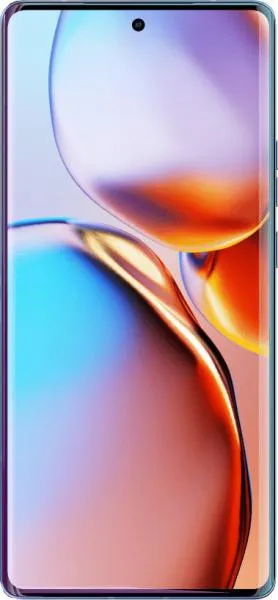
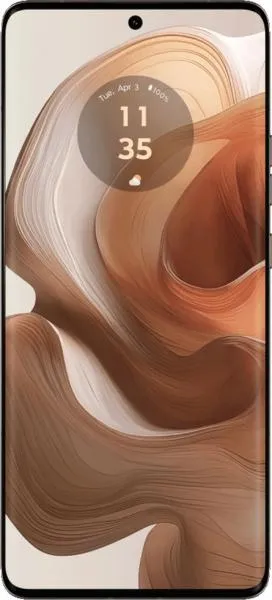
| Feature | Motorola Edge 40 Pro | Motorola Edge 50 Ultra | Practical Impact |
|---|---|---|---|
| Design | |||
| Dimensions (mm) | 161.2 x 74 x 8.6 | 161.1 x 72.4 x 8.6 | Virtually identical in size and thickness. |
| Weight (g) | 199 | 197 | Negligible weight difference. |
| Display | |||
| Display Type | OLED | P-OLED | Both offer vibrant colors and deep blacks. P-OLED potentially allows for more flexible design but practical differences in image quality are often minimal. |
| Size (inches) | 6.67 | 6.7 | Negligible size difference. |
| Resolution | 1080 x 2400 | 1220 x 2712 | Edge 50 Ultra has a sharper display (446 ppi vs 394 ppi), noticeable in fine details and text clarity. |
| Refresh Rate (Hz) | 165 | 144 | Edge 40 Pro offers slightly smoother scrolling and animations. However, both are high refresh rates providing excellent visual fluidity. |
| Peak Brightness (nits) | 1300 | 2500 | Edge 50 Ultra significantly brighter, improving outdoor visibility. |
| Performance | |||
| Chipset | Snapdragon 8 Gen 2 | Snapdragon 8s Gen 3 | Edge 50 Ultra has a slightly newer processor. Performance differences likely minimal in everyday tasks, but potentially noticeable in demanding games or prolonged heavy usage. |
| CPU | Octa-core (1x3.2 GHz Cortex-X3 & 2x2.8 GHz Cortex-A715 & 2x2.8 GHz Cortex-A710 & 3x2.0 GHz Cortex-A510) | Octa-core (1x3.0 GHz Cortex-X4 & 4x2.8 GHz Cortex-A720 & 3x2.0 GHz Cortex-A520) | Both are high-performance CPUs, capable of handling demanding tasks. Architectural differences may lead to slight performance variations in specific workloads. |
| GPU | Adreno 740 | Adreno 735 | Edge 40 Pro likely has a slight advantage in graphics performance. |
| RAM (GB) | 12 | 16 | Edge 50 Ultra offers more RAM, enabling better multitasking and potentially smoother performance with numerous apps open. |
| Camera | |||
| Main Camera (MP) | 50 | 50 | Both have high-resolution main sensors. |
| Main Camera Sensor Size | 1/1.55" | 1/1.3" | Edge 50 Ultra has a larger sensor, potentially capturing more light and detail, especially in low light. |
| Ultrawide (MP) | 50 | 50 | Similar resolution ultrawide cameras. Edge 50 Ultra has a wider field of view (120° vs 114°). |
| Telephoto (MP) | 12 | 64 | Edge 50 Ultra has a much higher resolution telephoto lens, potentially offering better zoom quality. |
| DXOMARK Score | 130 | 146 | Edge 50 Ultra scores significantly higher in overall camera quality according to DXOMARK. |
| Battery | |||
| Capacity (mAh) | 4600 | 4500 | Negligible difference in battery capacity. Real-world battery life will depend more on usage patterns and software optimization. |
2. Key Differences Analysis
Motorola Edge 40 Pro Advantages:
- Slightly smoother display (165Hz refresh rate).
- Potentially better GPU performance.
- Slightly larger battery.
Motorola Edge 50 Ultra Advantages:
- Sharper display with higher resolution.
- Significantly brighter display for better outdoor visibility.
- Newer processor (minor performance advantage).
- More RAM for improved multitasking.
- Significantly better camera system according to DXOMARK, with larger main sensor, higher resolution telephoto, and wider ultrawide lens.
- Lower price range ("medium" vs "high").
Trade-offs:
- Edge 40 Pro: Slightly older hardware but potentially better GPU performance.
- Edge 50 Ultra: Slightly lower refresh rate but significantly brighter and sharper display.
3. User Profiles & Recommendations
Motorola Edge 40 Pro: Users prioritizing a smooth display experience and potentially slightly better graphics performance for gaming.
Motorola Edge 50 Ultra: Users who value a bright, sharp display, excellent camera quality, ample RAM for multitasking, and a more attractive price-to-performance ratio. This phone caters to a broader audience.
4. Decision Framework
Key Questions for Buyers:
- What is your budget? The Edge 50 Ultra offers better value in the "medium" price range.
- Is camera quality a top priority? The Edge 50 Ultra offers a significant advantage in this area.
- Do you heavily multitask or require the absolute best performance? The Edge 50 Ultra's extra RAM and newer processor make it more future-proof.
My Choice: Motorola Edge 50 Ultra
While the Edge 40 Pro offers a slightly smoother display and potentially slightly better GPU performance, the Edge 50 Ultra provides a more compelling overall package. The combination of a sharper and significantly brighter display, a substantially better camera system, more RAM, a newer processor, and a lower price makes it the clear winner for me. The camera improvements alone are significant, and the brighter display is a major advantage for outdoor use. The slightly lower refresh rate is a minor trade-off for these substantial benefits. The "medium" price range for the Edge 50 Ultra seals the deal, offering excellent value for its features.
