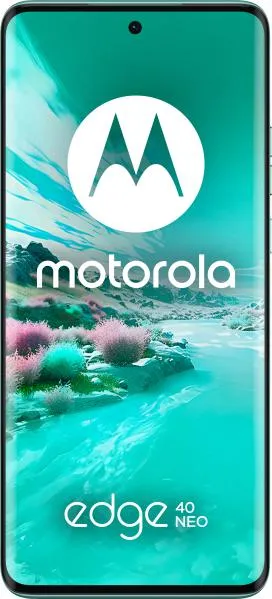
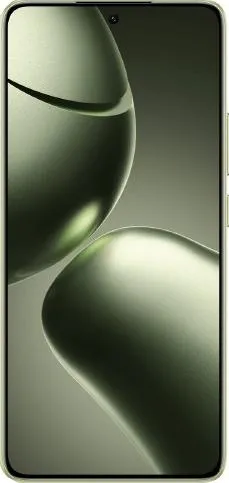
1. Specifications Comparison
| Feature | Motorola Edge 40 Neo | Xiaomi 14T | Practical Impact |
|---|---|---|---|
| Design | |||
| Dimensions | 159.6 x 72 x 7.9 mm | 160.5 x 75.1 x 7.8 mm | Xiaomi 14T is slightly larger and wider. Neo likely feels more compact in hand. |
| Weight | 170g | 193g | Neo is noticeably lighter, reducing hand fatigue during extended use. |
| Display | |||
| Size | 6.55" | 6.67" | Xiaomi 14T offers a slightly larger screen for more immersive content consumption. |
| Type | P-OLED | AMOLED | Both offer excellent color and contrast. Practical differences are minimal for most users. |
| Resolution | 1080 x 2400 | 1220 x 2712 | Xiaomi 14T has a sharper display due to higher resolution, noticeable in fine details and text clarity. |
| Refresh Rate | 144Hz | 144Hz | Both offer smooth scrolling and animations, beneficial for gaming and everyday use. |
| Peak Brightness | 1300 nits | 4000 nits | Xiaomi 14T is significantly brighter, ensuring excellent outdoor visibility even in direct sunlight. |
| Performance | |||
| Chipset | MediaTek Dimensity 7030 (6nm) | Mediatek Dimensity 8300 Ultra (4nm) | Xiaomi 14T's more advanced and efficient chipset will deliver significantly better performance in demanding tasks and gaming, with improved power efficiency. |
| CPU | Octa-core (2x2.5 GHz Cortex-A78 & 6x2.0 GHz Cortex-A55) | Octa-core (1x3.35 GHz Cortex-A715 & 3x3.20 GHz Cortex-A715 & 4x2.20 GHz Cortex-A510) | Xiaomi 14T boasts a more powerful CPU architecture, resulting in faster app loading, smoother multitasking, and improved responsiveness. |
| GPU | Mali-G610 MC3 | Mali G615-MC6 | Xiaomi 14T's superior GPU will provide a better gaming experience with higher frame rates and smoother graphics. |
| RAM | 12GB | 12GB | Both offer ample RAM for smooth multitasking. |
| Storage | 256GB | 512GB | Xiaomi 14T offers double the storage, beneficial for users who store lots of media or large applications. |
| Battery | |||
| Capacity | 5000 mAh | 5000 mAh | Similar battery capacity suggests comparable battery life, though real-world usage will depend on individual usage patterns and the efficiency of each phone's chipset. |
| Camera | |||
| Video Capabilities | Up to 4K@30fps | Up to 4K@60fps, 1080p@960fps | Xiaomi 14T allows for higher resolution and frame rate video recording, including slow-motion capabilities at 960fps. No information on specific camera sensor specifications limits a detailed comparison. |
2. Key Differences Analysis
Motorola Edge 40 Neo Advantages:
- Lighter and More Compact: Easier to handle and carry.
- Potentially Lower Price: Given the older release date, it might be more affordable.
Xiaomi 14T Advantages:
- Significantly Brighter Display: Superior outdoor visibility.
- More Powerful Performance: Smoother gaming, faster multitasking, and better overall responsiveness.
- Sharper Display: Clearer details and text.
- Larger Storage: More space for apps and media.
- Superior Video Recording Capabilities: Higher resolution and frame rates.
Trade-offs:
- Xiaomi 14T: Larger and heavier, potentially less comfortable for one-handed use. Higher price expected.
3. User Profiles & Recommendations
Motorola Edge 40 Neo: Users prioritizing a lightweight, compact phone for everyday tasks, web browsing, and casual media consumption. Budget-conscious users who don't require the highest performance.
Xiaomi 14T: Users who demand top-tier performance for gaming, demanding applications, and media creation. Users who prioritize a bright, sharp display for immersive content consumption. Users who need ample storage space.
4. Decision Framework
Key Questions:
- What is your budget? The Xiaomi 14T will likely be more expensive.
- What are your primary use cases? Gaming, demanding apps, and media creation favor the Xiaomi 14T. Everyday tasks, web browsing, and casual media consumption can be comfortably handled by the Neo.
- Do you prioritize portability and comfort? The lighter and more compact Neo excels in this area.
My Choice: Xiaomi 14T
While the Motorola Edge 40 Neo offers a compelling combination of lightness and affordability, the Xiaomi 14T's superior performance, brighter and sharper display, and larger storage make it the better overall choice for me. The performance difference between the Dimensity 7030 and the 8300 Ultra is significant, and I value a smooth and responsive user experience, especially for gaming and multitasking. The brighter display of the 14T is crucial for outdoor use. While the extra weight and size are minor drawbacks, the overall benefits outweigh them. I am willing to pay the likely price premium for the significant upgrade in performance and features.
