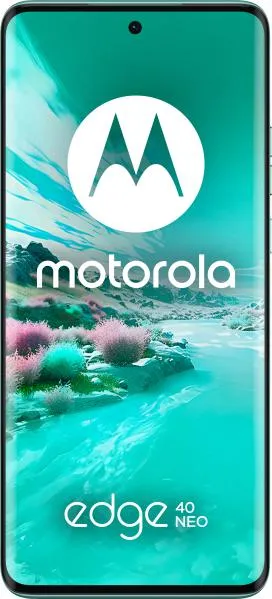

1. Specifications Comparison
| Feature | Motorola Edge 40 Neo | vivo V40 | Practical Impact |
|---|---|---|---|
| Design | |||
| Dimensions | 159.6 x 72 x 7.9 mm | 164.2 x 75 x 7.6 mm | The vivo V40 is larger and slightly thinner. The Edge 40 Neo is narrower, potentially offering a better one-handed grip for some users. |
| Weight | 170g | 190g | The Motorola is noticeably lighter, making it more comfortable for extended use. |
| Build Materials | Not specified | Not specified | Material differences can impact durability and feel, but we lack data for comparison. |
| Display | |||
| Display Type | P-OLED | AMOLED | Both offer vibrant colors and deep blacks. Practical differences between P-OLED and AMOLED are often negligible for average users. |
| Size | 6.55" | 6.78" | The vivo V40 has a larger display, providing more immersive content consumption but potentially impacting one-handed usability. |
| Resolution | 1080 x 2400 | 1260 x 2800 | The vivo V40 has a sharper display (higher pixel density: 453 vs 402 ppi), resulting in crisper text and images. |
| Refresh Rate | 144Hz | 120Hz | The Motorola offers a higher refresh rate, leading to smoother animations and scrolling, particularly noticeable in gaming and fast-paced UI interactions. |
| Peak Brightness | 1300 nits | 4500 nits | The vivo V40 boasts significantly higher peak brightness, ensuring excellent outdoor visibility even in direct sunlight. |
| Performance | |||
| Chipset | MediaTek Dimensity 7030 (6nm) | Qualcomm Snapdragon 7 Gen 3 (4nm) | The Snapdragon 7 Gen 3 is generally considered a more powerful and efficient chip, offering better performance and potentially longer battery life. The 4nm process suggests better power efficiency compared to the 6nm process of the Dimensity chip. |
| CPU | Octa-core (2x2.5 GHz Cortex-A78 & 6x2.0 GHz Cortex-A55) | Octa-core (1x2.63 GHz Cortex-A715 & 3x2.4 GHz Cortex-A715 & 4x1.8 GHz Cortex-A510) | The Snapdragon 7 Gen 3 in the Vivo V40 utilizes newer Cortex cores, promising improved performance and efficiency over the Dimensity 7030. |
| GPU | Mali-G610 MC3 | Adreno 720 | The Adreno 720 generally offers superior graphics performance compared to the Mali-G610 MC3, beneficial for gaming and graphically demanding tasks. |
| RAM | 12GB | 12GB | Both phones offer ample RAM for multitasking and smooth operation. |
| Storage | 256GB | 512GB | The vivo V40 offers double the storage, accommodating more apps, photos, and videos. |
| Battery | |||
| Capacity | 5000 mAh | 5500 mAh | The vivo V40 has a slightly larger battery, potentially offering longer usage time. However, real-world battery life depends on various factors including software optimization and usage patterns. |
| Camera | |||
| Video Capabilities | Up to 4K@30fps, 1080p@240fps | Up to 4K@30fps, 1080p@30fps | The Motorola offers higher frame rate options for slow-motion video recording (up to 240fps). However, the vivo V40 features OIS (Optical Image Stabilization) for potentially smoother and more stable video footage in general. Detailed camera sensor specifications are lacking for a comprehensive comparison. |
2. Key Differences Analysis
Motorola Edge 40 Neo Advantages:
- Higher Refresh Rate: Smoother scrolling and animations.
- Lighter Weight: More comfortable for extended use.
- Higher Frame Rate Video: Better for slow-motion capture.
- Potentially Lower Price: Often, Motorola devices are priced competitively.
vivo V40 Advantages:
- More Powerful Chipset: Better overall performance and efficiency.
- Sharper Display: Crisper visuals due to higher resolution and pixel density.
- Brighter Display: Excellent outdoor visibility.
- Larger Storage: More space for apps and files.
- Larger Battery: Potential for longer battery life.
- Optical Image Stabilization (OIS): Likely better video stability in various conditions.
3. User Profiles & Recommendations
Motorola Edge 40 Neo: Suitable for users prioritizing a smooth display experience, comfortable one-handed use, and slow-motion video recording, especially if budget-conscious. Ideal use cases include casual gaming, social media browsing, and content consumption.
vivo V40: Best suited for users who demand top-tier performance, a vibrant and sharp display with excellent outdoor visibility, ample storage, and stable video recording. Ideal for demanding tasks, mobile gaming, photography, and content creation.
4. Decision Framework
Key Questions for Buyers:
- What is your budget? The vivo V40, with its superior specs, likely comes at a higher price.
- What are your primary use cases? Gaming and demanding tasks favor the vivo V40, while casual use and slow-motion video benefit from the Motorola.
- Do you prioritize display quality or smoothness? The vivo V40 offers sharpness and brightness, while the Motorola excels in refresh rate.
My Choice: vivo V40
While the Motorola Edge 40 Neo offers a compelling combination of features, especially the higher refresh rate and lower weight, the vivo V40's superior performance, brighter and sharper display, larger storage, and OIS for video recording make it the stronger overall device. The Snapdragon 7 Gen 3 provides a significant advantage in performance and efficiency. The brighter display is crucial for comfortable outdoor use. While I appreciate the smoother scrolling of a 144Hz display, the overall benefits of the vivo V40 outweigh this single advantage. The larger storage also provides future-proofing and flexibility. Ultimately, the vivo V40 seems like a more well-rounded and future-proof choice for a slightly higher price, if the budget allows.
