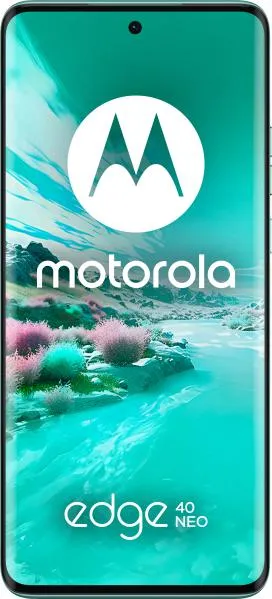
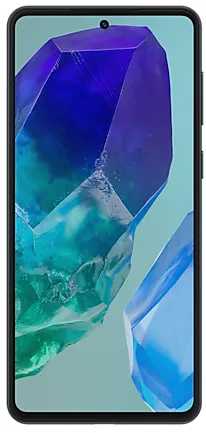
1. Specifications Comparison
| Feature | Motorola Edge 40 Neo | Samsung Galaxy M55 | Practical Impact |
|---|---|---|---|
| Design | |||
| Dimensions | 159.6 x 72 x 7.9 mm | 163.9 x 76.5 x 7.8 mm | The Motorola is noticeably narrower and slightly shorter, making it potentially more comfortable for one-handed use. |
| Weight | 170g | 180g | The Motorola is slightly lighter, which can reduce fatigue during extended use. |
| Display | |||
| Display Type | P-OLED, 1B colors, 144Hz, HDR10+ | Super AMOLED+, 120Hz | Both offer vibrant colors and deep blacks. The Motorola's 144Hz refresh rate provides smoother animations and scrolling compared to the Samsung's 120Hz. HDR10+ on the Motorola offers better dynamic range in supported content. We lack information about HDR capabilities on the Samsung. |
| Peak Brightness | 1300 nits | Not specified | The Motorola's significantly higher peak brightness ensures better visibility in direct sunlight. The lack of data for the Samsung prevents a complete comparison. |
| Resolution | 1080 x 2400 | 1080 x 2400 | Both have the same sharp resolution. |
| Size | 6.55" | 6.7" | The Samsung offers a slightly larger screen for more immersive media consumption. |
| Performance | |||
| Chipset | MediaTek Dimensity 7030 (6 nm) | Qualcomm Snapdragon 7 Gen 1 (4 nm) | The Snapdragon 7 Gen 1 in the Samsung is generally considered more powerful and efficient due to its 4nm process. This translates to better performance in demanding tasks and potentially longer battery life. |
| CPU | Octa-core (2x2.5 GHz Cortex-A78 & 6x2.0 GHz Cortex-A55) | Octa-core (1x2.4 GHz Cortex-A710 & 3x2.36 GHz Cortex-A710 & 4x1.8 GHz Cortex-A510) | The Snapdragon 7 Gen 1 utilizes newer core architectures, likely resulting in improved performance and efficiency compared to the Dimensity 7030. |
| GPU | Mali-G610 MC3 | Adreno 644 | The Adreno 644 generally offers better gaming performance than the Mali-G610 MC3. |
| RAM | 12GB | 8GB | The Motorola offers more RAM, enabling better multitasking and smoother performance with multiple apps open. |
| Storage | 256GB | 256GB | Both offer the same storage capacity. |
| Camera | |||
| Video Capabilities | 4K@30fps (EIS), up to 1080p@240fps (EIS) | 4K@30fps (OIS, EIS), 1080p@60fps (OIS, EIS) | Both offer 4K recording. The Samsung utilizes OIS (Optical Image Stabilization) for potentially smoother video footage, while the Motorola relies on EIS (Electronic Image Stabilization). The Motorola offers higher frame rate options for slow-motion video. Detailed camera sensor specifications are missing, making a comprehensive comparison impossible. |
| Battery | |||
| Capacity | 5000 mAh | 5000 mAh | Both have the same battery capacity. Actual battery life depends on various factors, including software optimization and usage patterns. |
2. Key Differences Analysis
Motorola Edge 40 Neo Advantages:
- Smoother Display: The 144Hz refresh rate provides a more fluid user experience.
- Brighter Display: Significantly brighter for better outdoor visibility.
- More RAM: Better multitasking performance.
- More Compact: Easier to handle for one-handed use.
- Higher Video Frame Rates: More options for slow-motion capture.
Samsung Galaxy M55 Advantages:
- More Powerful Chipset: Better performance in demanding applications and potentially better battery efficiency.
- More Advanced CPU & GPU: Improved performance in demanding tasks and gaming.
- Optical Image Stabilization: Potentially smoother video recording.
- Newer OS: Starts with Android 14 and potentially longer software support.
3. User Profiles & Recommendations
Motorola Edge 40 Neo: Ideal for users who prioritize a smooth display experience, value a compact form factor, need good outdoor visibility, and frequently multitask. Suitable for social media browsing, web surfing, and casual gaming.
Samsung Galaxy M55: Ideal for users who prioritize overall performance, need a larger screen for media consumption, and require a phone for demanding tasks and mobile gaming.
4. Decision Framework
Key Questions:
- What is your budget? Both are mid-range, but minor price differences may exist.
- What are your primary use cases? (Gaming, media consumption, social media, etc.)
- Which features do you prioritize? (Display smoothness, performance, camera quality, battery life)
My Choice: Samsung Galaxy M55
While the Motorola Edge 40 Neo offers a smoother display and a more compact design, the Samsung Galaxy M55's superior performance due to the Snapdragon 7 Gen 1, coupled with the likely longer software support starting with Android 14, makes it the more compelling choice for me. The inclusion of OIS for video recording is also a significant advantage. The slightly larger size isn't a significant detriment for me personally. Ultimately, I prioritize long-term performance and stability over a slightly smoother display.
