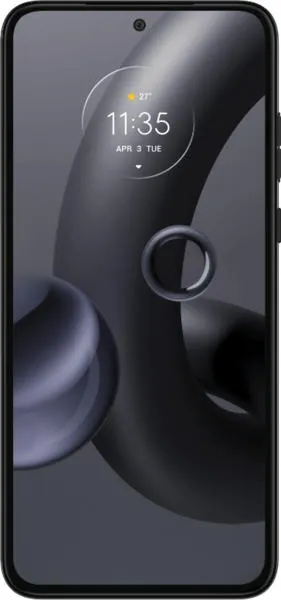
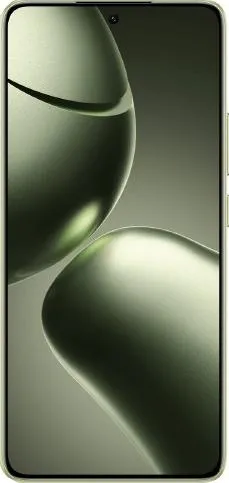
Motorola Edge 30 Neo vs. Xiaomi 14T: A Deep Dive
The mid-range smartphone arena is fiercely competitive, and two contenders vying for your attention are the Motorola Edge 30 Neo and the Xiaomi 14T. While both offer compelling features, a closer look reveals distinct strengths and weaknesses that cater to different user profiles. Let's dissect these devices to help you decide which one best fits your needs.
1. Specifications Breakdown
| Feature | Motorola Edge 30 Neo | Xiaomi 14T | Real-World Implications |
|---|---|---|---|
| Design | |||
| Dimensions (mm) | 152.9 x 71.2 x 7.8 | 160.5 x 75.1 x 7.8 | Edge 30 Neo is noticeably smaller and lighter, offering better one-handed usability. 14T has a more premium feel due to its size. |
| Weight (g) | 155 | 193 | Edge 30 Neo is significantly lighter, reducing hand fatigue during extended use. |
| Display | |||
| Type | P-OLED, 120Hz | AMOLED, 144Hz | Both offer vibrant colors and smooth scrolling. 14T's higher refresh rate and peak brightness provide a slight edge in visual fluidity and outdoor visibility. |
| Size | 6.28" | 6.67" | 14T boasts a larger screen for more immersive content consumption. Edge 30 Neo's smaller display enhances portability. |
| Resolution | 1080 x 2400 | 1220 x 2712 | 14T offers sharper visuals due to higher resolution. |
| Performance | |||
| Chipset | Snapdragon 695 5G | Dimensity 8300 Ultra | 14T's Dimensity 8300 Ultra significantly outperforms the Snapdragon 695 in processing power and graphics rendering, leading to smoother multitasking and gaming. |
| RAM | 8GB | 12GB | 14T's larger RAM enables better multitasking and app switching. |
| Camera | |||
| Main Camera | 64MP | 50MP | While the Edge 30 Neo boasts a higher megapixel count, the 14T utilizes a larger sensor (Sony IMX906) potentially capturing more light and detail. DxOMark score for 14T indicates superior overall camera performance. |
| Video | 1080p@120fps | 4K@60fps | 14T offers superior video recording capabilities with higher resolution and frame rates. |
| Battery Life | |||
| Capacity | 4020 mAh | 5000 mAh | 14T offers a larger battery capacity, promising longer usage time. |
2. Key Insights
- Performance: The Xiaomi 14T is a clear winner in performance, thanks to its powerful Dimensity 8300 Ultra chipset and ample RAM. This translates to a smoother, more responsive user experience, especially for demanding tasks like gaming and content creation.
- Display: Both phones offer excellent displays, but the 14T edges ahead with its higher refresh rate, resolution, and peak brightness. This results in a more immersive and visually appealing experience.
- Camera: While megapixel counts can be misleading, the Xiaomi 14T's camera system, particularly its main sensor and video capabilities, appears superior based on specifications and the available DxOMark score.
- Portability: The Motorola Edge 30 Neo shines in portability. Its compact size and lighter weight make it more comfortable for one-handed use and pocket carry.
3. User Profiles and Recommendations
- Motorola Edge 30 Neo: Ideal for users prioritizing portability, style, and affordability. Suitable for everyday tasks like browsing, social media, and casual photography. Its vibrant P-OLED and 120Hz refresh rate still deliver a pleasing visual experience.
- Xiaomi 14T: Best suited for power users who demand top-tier performance, a stunning display, and advanced camera capabilities. Excellent for gaming, content creation, and capturing high-quality photos and videos.
4. Buying Decision Framework
- What is your budget? The Edge 30 Neo is generally more affordable.
- What are your performance needs? For demanding tasks, the 14T is the better choice.
- Do you prioritize portability or a larger screen? The Edge 30 Neo is more compact, while the 14T offers a larger display.
My Choice: Xiaomi 14T
While I appreciate the Edge 30 Neo's compact design and affordability, I would choose the Xiaomi 14T. The significant leap in performance, superior camera system (validated by the DxOMark score), and stunning display are compelling. I value a smooth, lag-free experience, especially for multitasking and occasional mobile gaming. The larger battery capacity also ensures I can power through a full day without worrying about running out of juice. While the 14T is larger and heavier, the trade-off for the enhanced performance and features is worthwhile for me.
