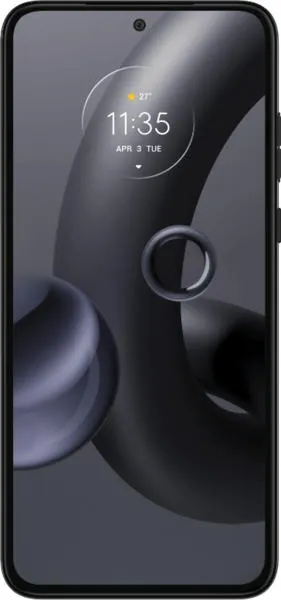
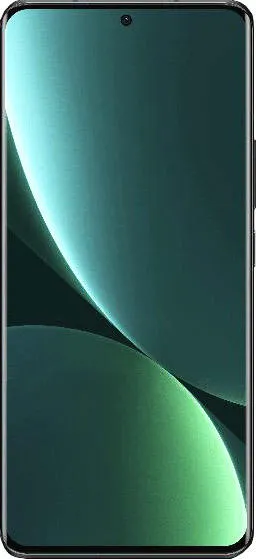
Motorola Edge 30 Neo vs. Xiaomi 13 Pro: A Deep Dive
Let's dissect the Motorola Edge 30 Neo and the Xiaomi 13 Pro, two smartphones catering to different segments of the market. We'll go beyond the spec sheet to understand how these devices perform in the real world.
1. Specifications Breakdown
| Feature | Motorola Edge 30 Neo | Xiaomi 13 Pro | Real-World Implications |
|---|---|---|---|
| Design | |||
| Dimensions (mm) | 152.9 x 71.2 x 7.8 | 162.9 x 74.6 x 8.4 | Neo is noticeably smaller and lighter, enhancing one-handed usability. |
| Weight (g) | 155 | 210 | Pro's heft might be noticeable in extended use. |
| Display | |||
| Display Type | 6.28" P-OLED, 120Hz | 6.73" LTPO AMOLED, 120Hz | Pro boasts a larger, more vibrant display with superior HDR support. Neo's P-OLED offers excellent color accuracy but might lack peak brightness in direct sunlight. |
| Resolution | 1080 x 2400 | 1440 x 3200 | Pro's higher resolution delivers sharper visuals, especially beneficial for multimedia consumption. |
| Performance | |||
| Chipset | Snapdragon 695 5G | Snapdragon 8 Gen 2 | Pro's flagship processor offers significantly faster performance for demanding tasks and gaming. Neo provides smooth everyday performance but might struggle with intensive applications. |
| RAM | 8GB | 12GB | Pro's extra RAM enables seamless multitasking and smoother performance under heavy load. |
| Camera | |||
| Main Camera | 64MP, f/1.8 | 50MP, f/1.9, 1" Sensor | Pro's larger sensor captures more light, resulting in superior low-light performance and dynamic range. Neo's 64MP sensor provides good detail in well-lit conditions. |
| Ultrawide | 13MP, f/2.2 | 50MP, f/2.2 | Pro's high-resolution ultrawide offers greater detail and less distortion compared to the Neo. |
| Battery Life | |||
| Capacity | 4020 mAh | 4820 mAh | Pro's larger battery capacity suggests longer usage time. Real-world battery life depends on usage patterns and optimization. |
2. Key Insights
Performance Powerhouse: The Xiaomi 13 Pro shines with its Snapdragon 8 Gen 2, delivering blistering speed and effortless multitasking. The Motorola Edge 30 Neo, with its Snapdragon 695, targets smooth everyday performance, not peak power.
Visual Feast: The 13 Pro's LTPO AMOLED display with a 120Hz refresh rate and Dolby Vision is a visual treat. While the Edge 30 Neo's P-OLED display is no slouch, the Pro offers a larger canvas with more vibrant colors and deeper blacks.
Compact Champion: The Edge 30 Neo excels in portability. Its compact size and lighter weight make it a joy for one-handed use and pocket-friendly carrying.
Camera Prowess: The Xiaomi 13 Pro's camera system, co-engineered with Leica, features a massive 1-inch sensor and impressive hardware across the board. It promises significantly better low-light performance, detail, and overall image quality compared to the Edge 30 Neo.
3. User Profiles and Recommendations
Xiaomi 13 Pro: Ideal for power users, mobile gamers, photography enthusiasts, and anyone who demands top-tier performance and a premium multimedia experience. Its higher price reflects the flagship-level components.
Motorola Edge 30 Neo: Perfect for users seeking a stylish, compact phone with smooth performance for everyday tasks, social media, and casual photography. Its mid-range price makes it an attractive option for budget-conscious buyers.
4. Buying Decision Framework
What is your budget? The 13 Pro sits in the premium price bracket, while the Edge 30 Neo offers excellent value in the mid-range segment.
What are your performance needs? If you demand the best possible performance for gaming and intensive tasks, the 13 Pro is the clear winner. For everyday use, the Edge 30 Neo offers ample power.
How important is portability? If one-handed usability and pocketability are paramount, the Edge 30 Neo's compact form factor is a major advantage.
My Choice: As a tech journalist who often pushes devices to their limits, I'd choose the Xiaomi 13 Pro. The Snapdragon 8 Gen 2, coupled with the stunning display and advanced camera system, aligns perfectly with my need for top-tier performance and a premium mobile experience. However, I recognize the Edge 30 Neo's compelling value proposition for users prioritizing affordability and portability. Its compact design and capable performance make it a strong contender in the mid-range market.
