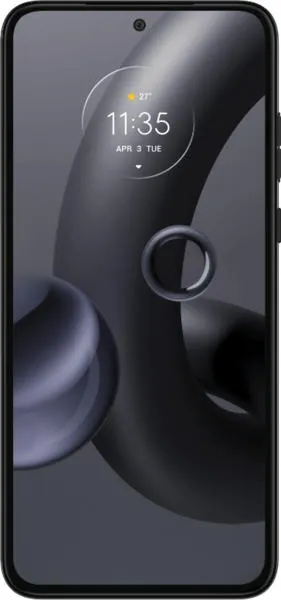
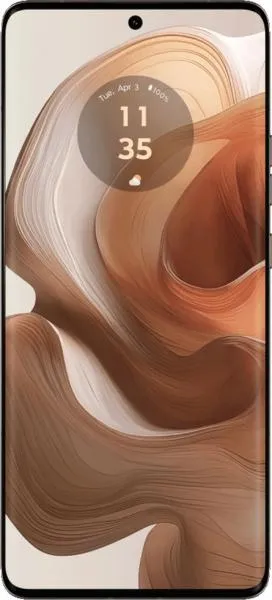
Motorola Edge 30 Neo vs. Motorola Edge 50 Ultra: A Detailed Comparison
Let's dive into a head-to-head comparison of the Motorola Edge 30 Neo and the Motorola Edge 50 Ultra, dissecting their specifications and uncovering what they truly offer the everyday user.
1. Specifications Breakdown
| Feature | Motorola Edge 30 Neo | Motorola Edge 50 Ultra | Real-World Implications |
|---|---|---|---|
| Design | |||
| Dimensions (mm) | 152.9 x 71.2 x 7.8 | 161.1 x 72.4 x 8.6 | Neo is significantly more compact and pocketable. Ultra feels more substantial, potentially less agile. |
| Weight (g) | 155 | 197 | Neo is noticeably lighter, reducing hand fatigue during extended use. |
| Display | |||
| Type | P-OLED, 120Hz | P-OLED, 144Hz | Both offer vibrant colors and deep blacks. Ultra's higher refresh rate delivers smoother animations. |
| Size | 6.28" | 6.7" | Ultra provides more screen real estate for media consumption and multitasking. |
| Resolution | 1080 x 2400 | 1220 x 2712 | Ultra boasts sharper visuals due to higher pixel density. |
| Performance | |||
| Chipset | Snapdragon 695 5G | Snapdragon 8s Gen 3 | Ultra vastly outperforms Neo in demanding tasks, gaming, and multitasking. |
| CPU | Octa-core (2.2 GHz) | Octa-core (3.0 GHz) | Ultra's superior CPU architecture delivers significantly faster processing speeds. |
| RAM | 8GB | 16GB | Ultra handles multitasking with ease, keeping more apps open in the background. |
| Camera | |||
| Main Camera | 64MP | 50MP | Ultra's larger sensor and wider aperture likely result in better low-light performance. |
| Ultrawide | 13MP | 50MP | Ultra offers a much higher resolution ultrawide lens for detailed landscape shots. |
| Telephoto | N/A | 64MP | Ultra provides optical zoom capabilities for capturing distant subjects. |
| Battery Life | |||
| Capacity | 4020 mAh | 4500 mAh | Ultra has a larger battery capacity, potentially offering longer usage time. |
| Charging | USB-C 3.1 | USB-C 3.1 Gen2 | Ultra may support faster charging speeds due to the newer USB generation. |
2. Key Insights
- Performance: The Edge 50 Ultra boasts a flagship-level Snapdragon 8s Gen 3 processor and ample RAM, making it a powerhouse for demanding tasks and gaming. The Edge 30 Neo, with its Snapdragon 695, targets moderate usage.
- Display: While both phones feature OLED displays with high refresh rates, the Ultra's larger size, sharper resolution, and 144Hz refresh rate offer a more immersive visual experience.
- Camera: The Ultra's triple camera system, including a high-resolution ultrawide and a telephoto lens, provides greater versatility and superior image quality compared to the Neo's dual-camera setup. The Ultra's larger sensor on the main camera promises better low-light performance.
- Portability: The Edge 30 Neo's compact size and lighter weight make it more comfortable for one-handed use and pocket carry. The Ultra, while larger, boasts a premium feel.
3. User Profiles and Recommendations
- Edge 30 Neo: Ideal for users who prioritize portability, affordability, and moderate performance for everyday tasks like social media, browsing, and casual photography.
- Edge 50 Ultra: Perfect for power users, gamers, photography enthusiasts, and those who demand top-tier performance, a stunning display, and a versatile camera system.
4. Buying Decision Framework
- What is your budget? The Neo offers excellent value in the mid-range segment, while the Ultra commands a premium price.
- What are your primary smartphone usage patterns? Heavy multitasking, gaming, and photography/videography lean towards the Ultra. Everyday tasks and portability favor the Neo.
- How important is portability? The Neo's compact form factor is a major advantage for users who value one-handed usability and pocket-friendliness.
My Choice: As Alex Griffin, I'd choose the Motorola Edge 50 Ultra. While I appreciate the Neo's compact design, my workflow demands the raw power and versatile camera system of the Ultra. The enhanced display and future-proof connectivity (WiFi 7 ready) are significant bonuses. I'm willing to sacrifice a bit of portability for the significant performance uplift and advanced features. The ability to use the phone as a desktop replacement with DisplayPort over USB-C is also very appealing for productivity. However, I'd acknowledge that for many users, the Edge 30 Neo represents a compelling blend of style, performance, and affordability.
