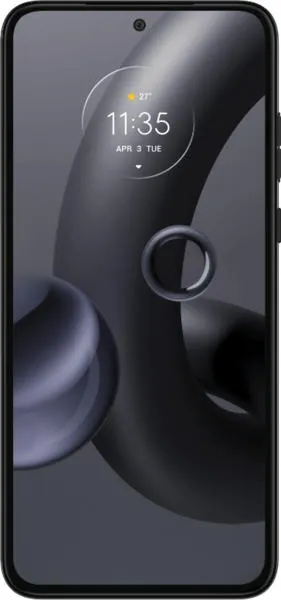
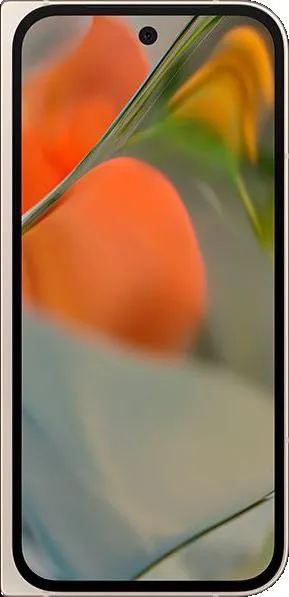
Let's dive into a comparative analysis of the Motorola Edge 30 Neo and the Google Pixel 9 Pro Fold. These two phones cater to different needs and budgets, so understanding their strengths and weaknesses is crucial for making an informed decision.
1. Specifications Breakdown
| Feature | Motorola Edge 30 Neo | Google Pixel 9 Pro Fold | Real-World Implications |
|---|---|---|---|
| Design | |||
| Dimensions (mm) | 152.9 x 71.2 x 7.8 | 155.2 x 150.2 x 5.1 | Pixel 9 Pro Fold significantly wider and heavier due to its foldable design. Edge 30 Neo is more pocketable for everyday carry. |
| Weight (g) | 155 | 257 | Noticeable weight difference; Pixel 9 Pro Fold may feel bulky for extended use. |
| Foldable | No | Yes | Pixel 9 Pro Fold offers a larger, flexible screen for multitasking and media consumption. |
| Display | |||
| Size (inches) | 6.28 | 8 | Pixel 9 Pro Fold boasts a significantly larger screen real estate for immersive experiences. |
| Resolution (px) | 1080 x 2400 | 2076 x 2152 | Sharper, more detailed visuals on the Pixel 9 Pro Fold, especially noticeable when unfolded. |
| Type | P-OLED | Foldable LTPO OLED | Pixel 9 Pro Fold's LTPO panel offers potential power savings with dynamic refresh rate adjustment. |
| Refresh Rate (Hz) | 120 | 120 | Both offer smooth scrolling and animations. |
| Performance | |||
| Chipset | Snapdragon 695 5G | Google Tensor G4 | Tensor G4 expected to deliver significantly faster performance and AI capabilities. |
| CPU | Octa-core (2.2 GHz) | Octa-core (3.1 GHz) | Pixel 9 Pro Fold likely to handle demanding tasks and multitasking more efficiently. |
| RAM (GB) | 8 | 16 | Double the RAM on Pixel 9 Pro Fold enables smoother multitasking and app switching. |
| Camera | |||
| Main Camera (MP) | 64 | 48 | Megapixel count isn't everything; image quality depends on sensor size, processing, and other factors. |
| Selfie Camera (MP) | 32 | 10 | Higher resolution on Edge 30 Neo suggests potentially better selfie quality, though real-world results may vary. |
| Battery Life | |||
| Capacity (mAh) | 4020 | 4650 | Larger battery in Pixel 9 Pro Fold suggests longer usage time, but the larger screen may consume more power. |
2. Key Insights
- Performance: The Pixel 9 Pro Fold, with its Tensor G4 chip and 16GB of RAM, is a clear powerhouse designed for demanding users. The Edge 30 Neo, while capable for everyday tasks, won't match the Pixel's raw processing power.
- Display: The Pixel 9 Pro Fold's foldable OLED display is the star of the show, offering a tablet-like experience when unfolded. The Edge 30 Neo's P-OLED is vibrant and responsive but significantly smaller.
- Portability: The Edge 30 Neo is the clear winner in portability. Its slim and lightweight design makes it ideal for one-handed use and pocket carry. The Pixel 9 Pro Fold is considerably larger and heavier.
- Price: The Edge 30 Neo falls in the mid-range price bracket, while the Pixel 9 Pro Fold commands a premium price, reflecting its cutting-edge technology.
3. User Profiles and Recommendations
- Edge 30 Neo: Best suited for users seeking a stylish, affordable phone with a good display and decent performance for everyday tasks like social media, browsing, and casual gaming. Its compact size is a major plus for portability.
- Pixel 9 Pro Fold: Ideal for power users and early adopters who value a large, foldable screen for multitasking, content creation, and immersive media consumption. The premium price reflects its flagship status.
4. Buying Decision Framework
- What is your budget? If price is a major concern, the Edge 30 Neo is a much more affordable option.
- How important is screen size and multitasking? If a large, flexible screen is a priority, the Pixel 9 Pro Fold is the only choice.
- Do you prioritize portability or raw performance? The Edge 30 Neo offers superior portability, while the Pixel 9 Pro Fold delivers top-tier performance.
My Choice
If I were choosing between these two phones, I would opt for the Google Pixel 9 Pro Fold. While the price is significantly higher, the foldable screen technology and the significant performance boost offered by the Tensor G4 chip are compelling. As a tech journalist, I value having access to the latest innovations, and the Pixel 9 Pro Fold represents a significant leap forward in mobile technology. The larger screen enhances my productivity for writing and research, while the powerful hardware ensures a smooth and responsive experience even with demanding tasks. While I acknowledge the trade-off in portability, the unique capabilities of the foldable screen outweigh the added bulk for my specific needs.
