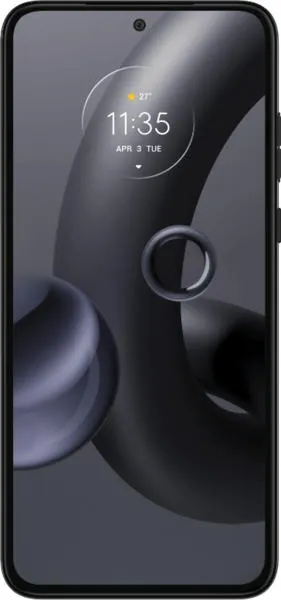
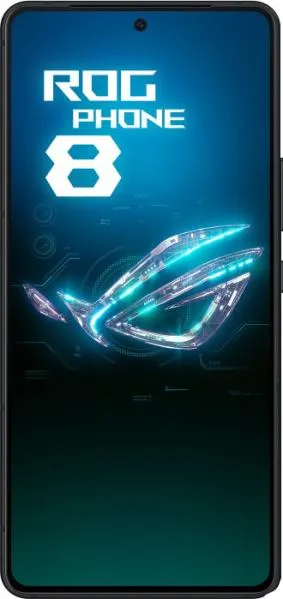
Motorola Edge 30 Neo vs. Asus ROG Phone 8: A Deep Dive for the Discerning User
The smartphone landscape is a vibrant ecosystem, with devices catering to a spectrum of needs and desires. Today, we dissect two intriguing contenders: the Motorola Edge 30 Neo, a stylish mid-ranger, and the Asus ROG Phone 8, a gaming powerhouse. Let's delve beneath the surface and uncover what each phone truly offers.
1. Specifications Breakdown
| Feature | Motorola Edge 30 Neo | Asus ROG Phone 8 | Real-World Implications |
|---|---|---|---|
| Design | |||
| Dimensions (mm) | 152.9 x 71.2 x 7.8 | 163.8 x 76.8 x 8.9 | Neo is significantly more compact and pocketable; ROG Phone 8 prioritizes screen real estate and thermal management. |
| Weight (g) | 155 | 225 | Neo is noticeably lighter for comfortable one-handed use; ROG Phone 8's heft reflects its robust build and larger battery. |
| Display | |||
| Type | P-OLED, 120Hz | LTPO AMOLED, 165Hz | Neo offers vibrant colors and smooth scrolling; ROG Phone 8 boasts superior responsiveness and adaptive refresh rate for battery efficiency. |
| Size (inches) | 6.28 | 6.78 | ROG Phone 8 provides a larger canvas for gaming and media consumption. |
| Resolution | 1080 x 2400 | 1080 x 2400 | Both offer sharp visuals, but the Neo has a slightly higher pixel density due to its smaller screen. |
| Performance | |||
| Chipset | Snapdragon 695 5G | Snapdragon 8 Gen 3 | ROG Phone 8 delivers flagship-level performance for demanding tasks and gaming; Neo offers competent mid-range performance. |
| CPU | Octa-core (2.2 GHz) | Octa-core (3.3 GHz) | ROG Phone 8's superior CPU architecture translates to significantly faster processing speeds. |
| RAM | 8GB | 16GB | ROG Phone 8's ample RAM ensures seamless multitasking and smooth performance even with demanding applications. |
| Camera | |||
| Main Sensor | 64MP, f/1.8 | 50MP, f/1.9 | Both offer capable main cameras; image quality will depend more on software processing and sensor tuning than megapixel count. |
| Ultrawide | 13MP, f/2.2 | 13MP, f/2.2 | Comparable ultrawide capabilities on both devices. |
| Battery Life | |||
| Capacity (mAh) | 4020 | 6000 | ROG Phone 8's significantly larger battery capacity ensures extended usage; Neo's battery is adequate for moderate use. |
2. Key Insights
The Motorola Edge 30 Neo shines as a sleek, lightweight companion for everyday tasks. Its vibrant P-OLED display and smooth 120Hz refresh rate deliver a pleasing visual experience. While not a gaming powerhouse, the Snapdragon 695 provides sufficient performance for most applications.
The Asus ROG Phone 8, on the other hand, is a beast built for gaming and demanding tasks. Its Snapdragon 8 Gen 3, coupled with 16GB of RAM, obliterates any performance bottleneck. The 165Hz LTPO AMOLED display offers unparalleled responsiveness and buttery smooth visuals. The massive battery ensures extended gameplay sessions without interruption.
3. User Profiles and Recommendations
The Edge 30 Neo is ideal for users who prioritize portability, style, and a balanced user experience. It's perfect for social media, web browsing, light gaming, and everyday communication.
The ROG Phone 8 caters to power users and mobile gamers who demand peak performance and cutting-edge technology. It's the ultimate device for demanding games, intensive multitasking, and content creation.
4. Buying Decision Framework
- What is your primary use case? Everyday tasks or demanding gaming?
- What is your budget? The Neo is significantly more affordable than the ROG Phone 8.
- Do you prioritize portability and style or raw performance and battery life?
Scenario: If you're a student on a budget who needs a reliable phone for communication, social media, and occasional gaming, the Edge 30 Neo is an excellent choice. If you're a hardcore gamer who wants the best mobile gaming experience possible and budget isn't a primary concern, the ROG Phone 8 is your weapon of choice.
My Choice: Asus ROG Phone 8
While I appreciate the Edge 30 Neo's sleek design and portability, I crave performance. As a tech journalist, I frequently push my devices to their limits, testing demanding apps and multitasking extensively. The ROG Phone 8's Snapdragon 8 Gen 3, ample RAM, and blazing-fast display ensure a fluid and responsive experience, no matter the task. The robust battery also aligns with my heavy usage patterns. While the price premium is significant, the unparalleled performance and long-term value proposition of the ROG Phone 8 make it the clear winner for my needs. The future-proofing aspect of the ROG Phone 8, with its cutting-edge technology, also resonates with my desire to stay at the forefront of mobile innovation.
