1. Specifications Comparison
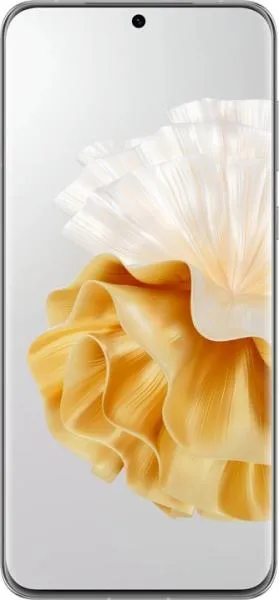
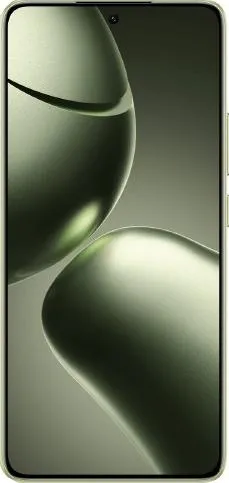
| Feature | Huawei P60 Pro | Xiaomi 14T | Practical Impact |
|---|---|---|---|
| Design | |||
| Dimensions (mm) | 161 x 74.5 x 8.3 | 160.5 x 75.1 x 7.8 | Xiaomi 14T is slightly thinner and lighter. Negligible difference in daily use. |
| Weight (g) | 200 | 193 | Xiaomi 14T is slightly lighter, but the difference is minimal. |
| Display | |||
| Display Type | LTPO OLED | AMOLED | P60 Pro's LTPO panel allows for dynamic refresh rate adjustment, saving battery. Xiaomi 14T boasts higher peak brightness for better outdoor visibility and a wider color gamut (68B vs 1B) for richer colors. |
| Display Size (inches) | 6.67 | 6.67 | Identical screen size. |
| Resolution | 1220 x 2700 | 1220 x 2712 | Virtually identical resolution, resulting in similar sharpness. |
| Refresh Rate (Hz) | 120 | 144 | Xiaomi 14T offers smoother scrolling and animations due to the higher refresh rate. Noticeable in fast-paced games and UI interactions. |
| Peak Brightness (nits) | Not specified | 4000 | Missing peak brightness for P60 Pro prevents comparison. Xiaomi's 4000 nits ensures excellent outdoor visibility. |
| HDR | No Dolby Vision | Dolby Vision, HDR10+ | Xiaomi 14T supports wider HDR standards for enhanced video playback quality with compatible content. |
| Performance | |||
| Chipset | Snapdragon 8+ Gen 1 4G | Dimensity 8300 Ultra | Both are powerful chipsets, but benchmarks would be needed to compare real-world performance. Dimensity 8300 Ultra is newer. |
| CPU | Octa-core (1x3.19 GHz X2 & 3x2.75 GHz A710 & 4x2.0 GHz A510) | Octa-core (1x3.35 GHz A715 & 3x3.20 GHz A715 & 4x2.20 GHz A510) | Both are powerful CPUs, but the newer architecture of the Dimensity 8300 Ultra might provide a slight edge in performance and efficiency. Real-world testing is needed. |
| GPU | Adreno 730 | Mali G615-MC6 | Adreno 730 generally offers better gaming performance. However, the newer Dimensity chip might close the gap. |
| RAM | 8GB (reviewed model) | 12GB (reviewed model) | Xiaomi 14T's larger RAM enables better multitasking and app switching. |
| Camera | |||
| Main Camera | 48MP, f/1.4, Sony IMX888 | 50MP, f/1.7, Sony IMX906 | Both utilize high-quality Sony sensors. P60 Pro's wider aperture potentially allows for better low-light performance and background blur. Xiaomi 14T's IMX906 is a newer sensor. |
| Telephoto | 48MP, f/2.1 | 50MP, f/1.9 | Both offer high-resolution telephoto lenses, but specific zoom capabilities (optical vs. digital) aren't fully clarified for comparison. |
| DXOMark Score | 156 | 134 | P60 Pro scores significantly higher in DXOMark tests, indicating potentially superior overall camera quality. However, real-world image comparisons are recommended. |
| Battery | |||
| Capacity (mAh) | 4815 | 5000 | Xiaomi 14T has a slightly larger battery, potentially offering longer usage time. |
| Charging | 88W Wired, 50W Wireless | 67W Wired | P60 Pro supports faster wired and wireless charging. |
2. Key Differences Analysis
Huawei P60 Pro Advantages:
- Superior Camera System (based on DXOMark): Notably higher DXOMark score suggests better overall image quality. Wider aperture on the main lens potentially offers superior low-light performance.
- Faster Charging: Significantly faster wired and the added benefit of wireless charging.
- LTPO Display: More power-efficient display due to dynamic refresh rate adjustment.
Xiaomi 14T Advantages:
- Higher Refresh Rate Display: Smoother user experience due to 144Hz refresh rate and brighter display for better outdoor visibility.
- Larger RAM: Improved multitasking and app performance with 12GB RAM.
- Lower Price: Significantly more affordable, offering excellent price-to-performance ratio.
- 5G Connectivity: Supports 5G networks for faster data speeds. P60 Pro is limited to 4G.
- Newer Chipset and Android Version: Potentially better performance and longer software support.
Trade-offs:
- P60 Pro sacrifices 5G connectivity and a higher refresh rate display for a potentially superior camera system and faster charging.
- Xiaomi 14T prioritizes affordability, performance, and a modern display but might compromise slightly on camera quality compared to the P60 Pro.
3. User Profiles & Recommendations
Huawei P60 Pro: Ideal for users who prioritize camera quality, fast charging, and are willing to pay a premium. Best for photography enthusiasts, content creators, and users who demand top-tier hardware.
Xiaomi 14T: Suitable for users who seek a well-rounded phone with a great display, strong performance, and the latest connectivity at a competitive price. Excellent choice for gamers, power users, and budget-conscious buyers.
4. Decision Framework
Key Questions for Buyers:
- What is your budget? The Xiaomi 14T offers significantly better value for its price.
- Is camera quality your top priority? If so, the Huawei P60 Pro, despite lacking 5G, might be the better choice.
- Do you need 5G connectivity? This is a crucial factor as the P60 Pro lacks 5G.
Scenario-Based Recommendations:
- Limited budget, prioritize performance and modern features: Xiaomi 14T.
- Professional photographer, willing to pay for the best camera: Huawei P60 Pro.
- Heavy gamer, needs smooth display and fast performance: Xiaomi 14T.
My Choice: Xiaomi 14T
While the P60 Pro boasts a potentially superior camera, the lack of 5G is a significant drawback in 2024. The Xiaomi 14T offers a compelling combination of performance, display quality, 5G connectivity, and an attractive price point. The 144Hz refresh rate, larger RAM, and newer chipset make it a future-proof choice. While the camera might not be as impressive as the P60 Pro's, it's likely still very capable for everyday use. The significant price difference makes the Xiaomi 14T the more rational and appealing choice for me. The absence of wireless charging on the 14T is a minor inconvenience considering the other advantages it offers.
