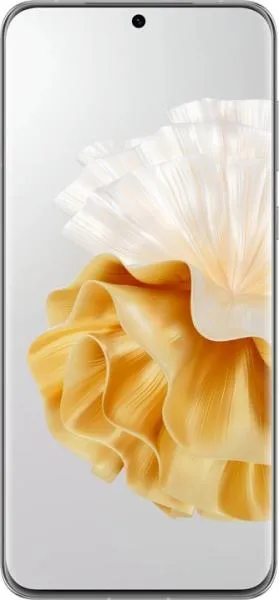

1. Specifications Comparison
| Feature | Huawei P60 Pro | Xiaomi 14 | Practical Impact |
|---|---|---|---|
| Design | |||
| Dimensions (mm) | 161 x 74.5 x 8.3 | 152.8 x 71.5 x 8.2 | Xiaomi 14 is slightly smaller and more compact, potentially easier to handle. |
| Weight (g) | 200 | 188 | Xiaomi 14 is noticeably lighter, reducing hand fatigue during extended use. |
| Display | |||
| Size (inches) | 6.67 | 6.36 | P60 Pro offers a larger screen for more immersive media consumption. |
| Resolution (px) | 1220 x 2700 | 1200 x 2670 | Negligible difference in sharpness due to similar pixel densities. |
| Type | LTPO OLED | LTPO OLED | Both offer excellent contrast, vibrant colors, and power efficiency. |
| Refresh Rate (Hz) | 120 | 120 | Both provide smooth scrolling and animations. |
| Color Depth | 1B | 68B | Xiaomi 14 supports a wider color gamut for more accurate and vibrant colors in HDR content. |
| HDR | No Dolby Vision | Dolby Vision, HDR10+ | Xiaomi 14 offers superior HDR support for compatible content resulting in a significantly better viewing experience. |
| Peak Brightness (nits) | Not specified | 3000 | Missing information for P60 Pro limits comparison; Xiaomi's high peak brightness ensures good visibility outdoors. |
| Performance | |||
| Chipset | Snapdragon 8+ Gen 1 4G | Snapdragon 8 Gen 3 | Xiaomi 14 has a newer and more powerful processor, leading to faster performance, better multitasking, and improved power efficiency. Notably, the P60 Pro lacks 5G connectivity. |
| CPU | Octa-core (up to 3.19 GHz) | Octa-core (up to 3.3 GHz) | Xiaomi 14's CPU has a slightly higher clock speed and newer architecture for improved performance. |
| GPU | Adreno 730 | Adreno 750 | Xiaomi 14 boasts a more powerful GPU for smoother gaming and graphics-intensive tasks. |
| RAM (GB) | 8 (reviewed model) | 12 (reviewed model) | Xiaomi 14 offers more RAM in the reviewed configuration, enabling better multitasking and app performance. Different RAM configurations exist for both phones. |
| Camera | |||
| Main Camera (MP) | 48 | 50 | Both phones have high-resolution main cameras. Xiaomi utilizes a newer sensor. |
| DxOMark Score | 156 | 138 | P60 Pro scores significantly higher in DxOMark, suggesting better overall image quality. However, real-world performance can vary. |
| Video Capabilities | Up to 4K@60fps | Up to 8K@24fps | Xiaomi 14 offers higher resolution video recording. |
| Battery | |||
| Capacity (mAh) | 4815 | 4610 | P60 Pro has a slightly larger battery capacity, potentially offering longer battery life. Real-world usage will vary. |
| Charging | 88W Wired, 50W Wireless | 90W Wired, 50W Wireless | Xiaomi 14 offers slightly faster wired charging. Both have fast wireless charging. |
2. Key Differences Analysis
Huawei P60 Pro Advantages:
- Superior Camera System (based on DxOMark): Notably higher DxOMark score suggests better image quality in various scenarios.
- Slightly Larger Battery: Potentially longer battery life, but real-world usage varies.
- Larger Display: More immersive experience for media consumption.
Xiaomi 14 Advantages:
- Significantly More Powerful Processor: The Snapdragon 8 Gen 3 provides a substantial performance boost over the P60 Pro's Snapdragon 8+ Gen 1, resulting in smoother multitasking, faster app loading, and improved gaming performance.
- 5G Connectivity: Future-proofed for faster cellular data speeds. The P60 Pro lacks 5G.
- Wider Color Gamut Display with Dolby Vision: Offers more vibrant and accurate colors, especially when viewing HDR content.
- Higher Resolution Video Recording: Up to 8K video capture capabilities.
- Lower Price: Offers a better price-to-performance ratio.
Trade-offs:
- P60 Pro: Higher price for potentially better camera quality but sacrifices cutting-edge performance and 5G connectivity.
- Xiaomi 14: Lower DxOMark score compared to P60 Pro, but offers superior performance, 5G, and a more modern feature set at a lower price.
3. User Profiles & Recommendations
Huawei P60 Pro: Ideal for users who prioritize camera quality above all else and are willing to pay a premium for it. Suitable for photography enthusiasts. Less suitable for those needing the latest performance or relying on 5G.
Xiaomi 14: Ideal for users who prioritize overall performance, future-proof features like 5G, a vibrant display, and value for their money. Suitable for power users, gamers, and those who consume a lot of media.
4. Decision Framework
Key Questions for Buyers:
- Is a top-tier camera system your absolute priority? If yes, the P60 Pro might be a better choice.
- Do you need 5G connectivity and the latest processing power? If yes, the Xiaomi 14 is the clear winner.
- What is your budget? The Xiaomi 14 offers significantly better value for money considering its lower price and superior performance.
My Choice: Xiaomi 14
While the Huawei P60 Pro boasts a potentially superior camera based on DxOMark, the Xiaomi 14 offers a compelling package that better suits my needs. The significantly faster processor, 5G connectivity, vibrant display with Dolby Vision, and lower price make it a more well-rounded device. The performance difference between the Snapdragon 8+ Gen 1 and the Snapdragon 8 Gen 3 is substantial and will be noticeable in everyday use. The lack of 5G in the P60 Pro is a major drawback in a world increasingly reliant on fast data speeds. Ultimately, the Xiaomi 14 offers a better balance of performance, features, and price, making it the more future-proof and appealing choice for me. While camera quality is important, the overall user experience offered by the Xiaomi 14 is superior.
