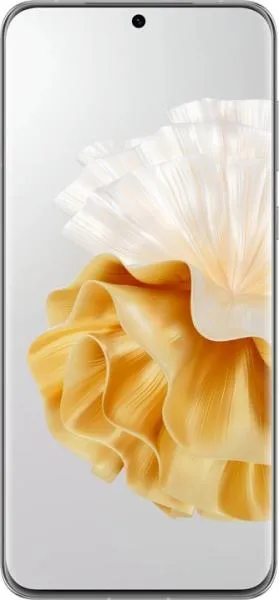
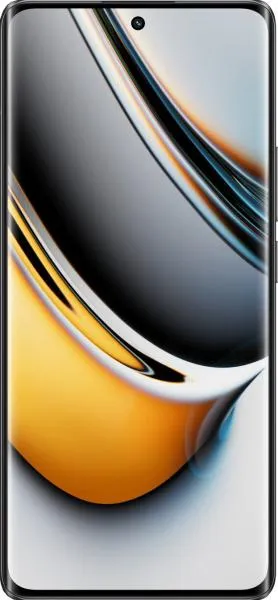
1. Specifications Comparison
| Feature | Huawei P60 Pro | Realme 11 Pro | Practical Impact |
|---|---|---|---|
| Design | |||
| Dimensions (mm) | 161 x 74.5 x 8.3 | 161.7 x 73.9 x 8.2 | Virtually identical in size and feel |
| Weight (g) | 200 | 183 | P60 Pro feels slightly more substantial |
| Build | Glass front & back | Glass front, plastic frame, plastic back | Realme's plastic back may feel less premium and potentially less durable |
| Display | |||
| Display Type | LTPO OLED | AMOLED | P60 Pro's LTPO allows for dynamic refresh rate, saving battery |
| Size (inches) | 6.67 | 6.7 | Negligible size difference |
| Resolution | 1220 x 2700 | 1080 x 2412 | P60 Pro noticeably sharper due to higher pixel density |
| Refresh Rate (Hz) | 120 | 120 | Both offer smooth scrolling and animations |
| Peak Brightness (nits) | Unspecified | 950 | Realme likely brighter outdoors; impact on P60 Pro unknown due to missing spec |
| Performance | |||
| Chipset | Snapdragon 8+ Gen 1 4G | Dimensity 7050 | P60 Pro significantly more powerful for demanding tasks and gaming |
| CPU | Octa-core (1x3.19 GHz X2 & 3x2.75 GHz A710 & 4x2.0 GHz A510) | Octa-core (2x2.6 GHz A78 & 6x2.0 GHz A55) | P60 Pro's superior CPU architecture offers much better performance |
| GPU | Adreno 730 | Mali-G68 MC4 | P60 Pro's GPU provides a substantial advantage in graphics performance |
| RAM | 8/12GB | 8/12GB | Dependent on configuration, but both can offer ample multitasking capabilities |
| Camera | |||
| Main Camera | 48MP, f/1.4 | 100MP, f/1.75 | P60 Pro likely better in low light due to wider aperture; Realme offers higher resolution for detailed shots in good lighting |
| Telephoto | 48MP, f/2.1, 3.5x optical zoom | None | P60 Pro offers significantly better zoom capabilities |
| Ultrawide | 13MP, f/2.2 | None | P60 Pro provides ultrawide perspective missing on Realme |
| Video | 4K@60fps with EIS | 4K@30fps with EIS | P60 Pro capable of higher resolution and frame rate video recording |
| Battery | |||
| Capacity (mAh) | 4815 | 5000 | Realme has slightly larger battery capacity |
| Charging | 88W Wired, 50W Wireless | 67W Wired | P60 Pro offers faster wired and adds wireless charging |
2. Key Differences Analysis
Huawei P60 Pro Advantages:
- Superior Performance: Significantly more powerful processor and GPU for smoother multitasking, demanding apps, and gaming.
- Better Display: Sharper screen with LTPO technology for improved power efficiency.
- More Versatile Camera System: Telephoto lens for optical zoom, ultrawide lens for broader perspectives, and potentially better low-light performance.
- Faster Charging: Significantly faster wired charging and the added convenience of wireless charging.
Realme 11 Pro Advantages:
- Lower Price: Significantly more affordable.
- Slightly Larger Battery: Potentially longer battery life, though impacted by display and processor efficiency.
- 5G Connectivity: Supports 5G networks for faster data speeds where available. P60 Pro is limited to 4G.
3. User Profiles & Recommendations
Huawei P60 Pro: Users who prioritize performance, a high-quality display, a versatile camera system, and fast charging. Ideal for demanding users, mobile gamers, and photography enthusiasts.
Realme 11 Pro: Budget-conscious users who prioritize battery life and 5G connectivity. Suitable for everyday tasks, social media, and light gaming. Good for users who prioritize value.
4. Decision Framework
Key Questions:
- What is your budget? The P60 Pro is significantly more expensive.
- What are your performance needs? For demanding tasks and gaming, the P60 Pro is far superior.
- What are your camera priorities? The P60 Pro offers greater versatility with telephoto and ultrawide lenses.
Scenario-Based Recommendations:
- Heavy User: If you need top-tier performance, a great camera, and fast charging, the P60 Pro is worth the investment.
- Budget-Conscious User: If price is a primary concern and your needs are moderate, the Realme 11 Pro offers excellent value.
- Photographer: The P60 Pro's superior camera system makes it the clear choice for photography enthusiasts.
My Choice: Huawei P60 Pro
While the Realme 11 Pro offers excellent value, I would choose the Huawei P60 Pro. The significantly superior performance, more versatile camera system with telephoto and ultrawide capabilities, sharper display with LTPO, and faster charging are compelling advantages. Although it lacks 5G and comes at a premium price, the overall user experience offered by the P60 Pro aligns better with my priorities for a flagship smartphone. The performance difference alone would be a major factor for me, as I value a smooth and responsive experience. The lack of 5G is a drawback, but not a dealbreaker considering the other strengths of the device.
