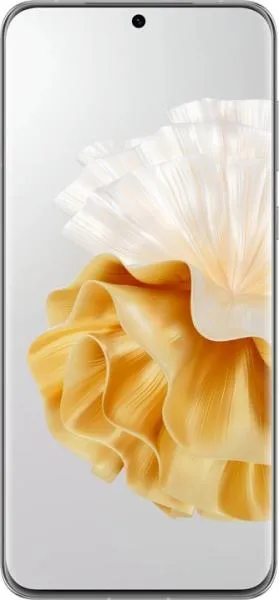
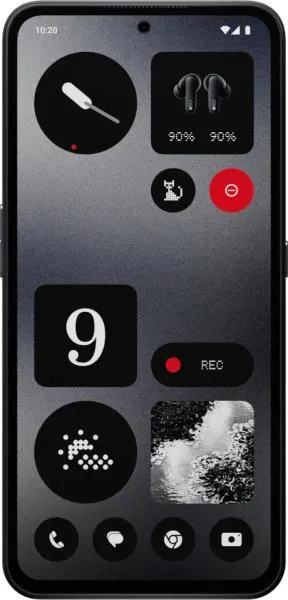
1. Specifications Comparison
| Feature | Huawei P60 Pro | Nothing CMF Phone 1 | Practical Impact |
|---|---|---|---|
| Design | |||
| Dimensions (mm) | 161 x 74.5 x 8.3 | 164 x 77 x 8.2 | CMF Phone 1 slightly larger |
| Weight (g) | 200 | 197 | Negligible weight difference |
| Build Materials | Missing | Missing | Cannot compare build quality |
| Display | |||
| Display Type | LTPO OLED | AMOLED | P60 Pro's LTPO allows for dynamic refresh rate, saving battery |
| Display Size (inches) | 6.67 | 6.67 | Same size |
| Resolution | 1220 x 2700 | 1080 x 2400 | P60 Pro sharper, more detailed visuals |
| Refresh Rate (Hz) | 120 | 120 | Both offer smooth scrolling and animations |
| Peak Brightness (nits) | Missing | 2000 | CMF Phone 1 likely more visible in direct sunlight |
| Performance | |||
| Chipset | Snapdragon 8+ Gen 1 4G | Dimensity 7300 | P60 Pro has a more powerful processor, leading to better performance in demanding tasks |
| CPU | Octa-core (1x3.19 GHz X2 & 3x2.75 GHz A710 & 4x2.0 GHz A510) | Octa-core (4x2.5 GHz A78 & 4x2.0 GHz A55) | P60 Pro's CPU architecture offers superior performance and efficiency |
| GPU | Adreno 730 | Mali-G615 MC2 | P60 Pro significantly better gaming and graphics performance |
| RAM | 8GB | 8GB | Same RAM capacity |
| Camera | |||
| Main Camera (MP) | 48 | 50 | Resolution difference less important than sensor and processing |
| Main Camera Aperture | f/1.4 | f/1.79 | P60 Pro likely performs better in low light |
| Telephoto Lens | Yes (48MP) | No dedicated telephoto | P60 Pro offers optical zoom capabilities |
| Ultrawide Lens | 13MP | No dedicated ultrawide | P60 Pro offers wider field of view |
| DXOMark Score | 156 | Missing | P60 Pro's camera objectively rated as excellent |
| Battery | |||
| Capacity (mAh) | 4815 | 5000 | CMF Phone 1 slightly larger battery |
| Fast Charging (W) | 88 | 33 | P60 Pro charges significantly faster |
| Wireless Charging | 50W | No | P60 Pro offers convenient wireless charging |
2. Key Differences Analysis
Huawei P60 Pro Advantages:
- Superior Performance: Snapdragon 8+ Gen 1 outperforms Dimensity 7300 significantly in processing power and graphics rendering.
- Better Camera System: Higher DXOMark score, variable aperture, dedicated telephoto lens, and superior low-light performance.
- Faster Charging: 88W fast charging and 50W wireless charging offer significantly quicker charging times.
- LTPO Display: Enables dynamic refresh rate adjustment for better battery life.
Nothing CMF Phone 1 Advantages:
- Lower Price: Significantly more affordable.
- Larger Battery: Slightly larger battery capacity might offer longer battery life despite lacking LTPO.
- 5G Connectivity: Offers 5G, while P60 Pro is limited to 4G. This is crucial for future-proofing.
- Latest Android OS: Ships with Android 14, ensuring longer software support compared to the unknown OS version of the P60 Pro.
Trade-offs:
- P60 Pro: Higher price, lacks 5G.
- CMF Phone 1: Lower performance, less capable camera system, slower charging, no wireless charging.
3. User Profiles & Recommendations
Huawei P60 Pro: Users who prioritize performance, camera quality, a premium display, and fast charging. Ideal for demanding tasks, mobile gaming, photography enthusiasts, and those who value a premium experience.
Nothing CMF Phone 1: Budget-conscious users who prioritize affordability and long battery life. Suitable for everyday tasks, social media, casual gaming, and users who don't require top-tier performance or camera capabilities.
4. Decision Framework
Key Questions:
- What is your budget? The P60 Pro is significantly more expensive.
- What are your primary smartphone usage patterns? (Gaming, photography, social media, etc.)
- How important are 5G connectivity and future software updates?
Scenario-Based Recommendations:
- Heavy User: If you need top-tier performance and camera, and budget isn't a constraint, the P60 Pro is a better choice.
- Budget-Conscious User: If affordability is paramount, the CMF Phone 1 offers good value.
- Future-Proofing: If 5G is crucial in your region, the Nothing Phone (2) is the only option.
My Choice: Nothing CMF Phone 1
While the Huawei P60 Pro boasts superior hardware in several areas, the lack of 5G is a significant drawback for me. Technology moves quickly, and investing in a high-end phone without 5G feels like a short-sighted decision. The significantly lower price of the Nothing CMF Phone 1, coupled with its long battery life and confirmed software updates to Android 16, makes it a more compelling option for my needs. I prioritize long-term value and future-proofing over marginal gains in performance and camera quality, especially given the substantial price difference. The P60 Pro's lack of clear information regarding its OS version and potential update path further reinforces my decision.
